
Easy to Clean Frozen Drink Maker: What Features Actually Matter
Share:
-

-

-

-


Copied

Share:
-
-
-
-
Copied
If you are looking for an easy to clean frozen drink maker, you are asking the right question before buying — not after. Most people discover the cleaning problem only when they are staring at a sticky, sugary residue jammed into a fixed drip tray at midnight after a party. That is too late.
The truth is that two machines can make equally good slushies, yet one takes five minutes to clean and the other takes twenty. The difference comes down to specific design choices: which parts detach, whether a rinse cycle is built in, and whether those parts are actually dishwasher-safe. This guide breaks all of that down so you can buy once and clean fast.
Why Cleaning Is the Most Overlooked Feature in a Frozen Drink Maker
Most buyers focus on freeze time, capacity, or preset modes. Cleaning gets a footnote — if it gets mentioned at all. That is a mistake, for three specific reasons.
First, frozen drink makers work with sugar-heavy liquids. Sugar dries into a sticky, hard film faster than almost any other food residue. If you cannot fully reach the internal surfaces, that film builds up across every use.
Second, many machines handle dairy-based drinks — milkshakes, frappes, frozen lattes. Dairy residue in a warm machine between uses is a bacterial growth risk. A machine that is hard to clean quickly becomes a hygiene issue, not just a maintenance one.
Third, flavor transfer is real. If you make a strawberry slush and then a mango margarita without a thorough clean, you will taste the crossover. A well-designed easy to clean frozen drink maker eliminates this by giving you proper access to every surface that touches your drink.
What Makes a Frozen Drink Maker Easy to Clean?
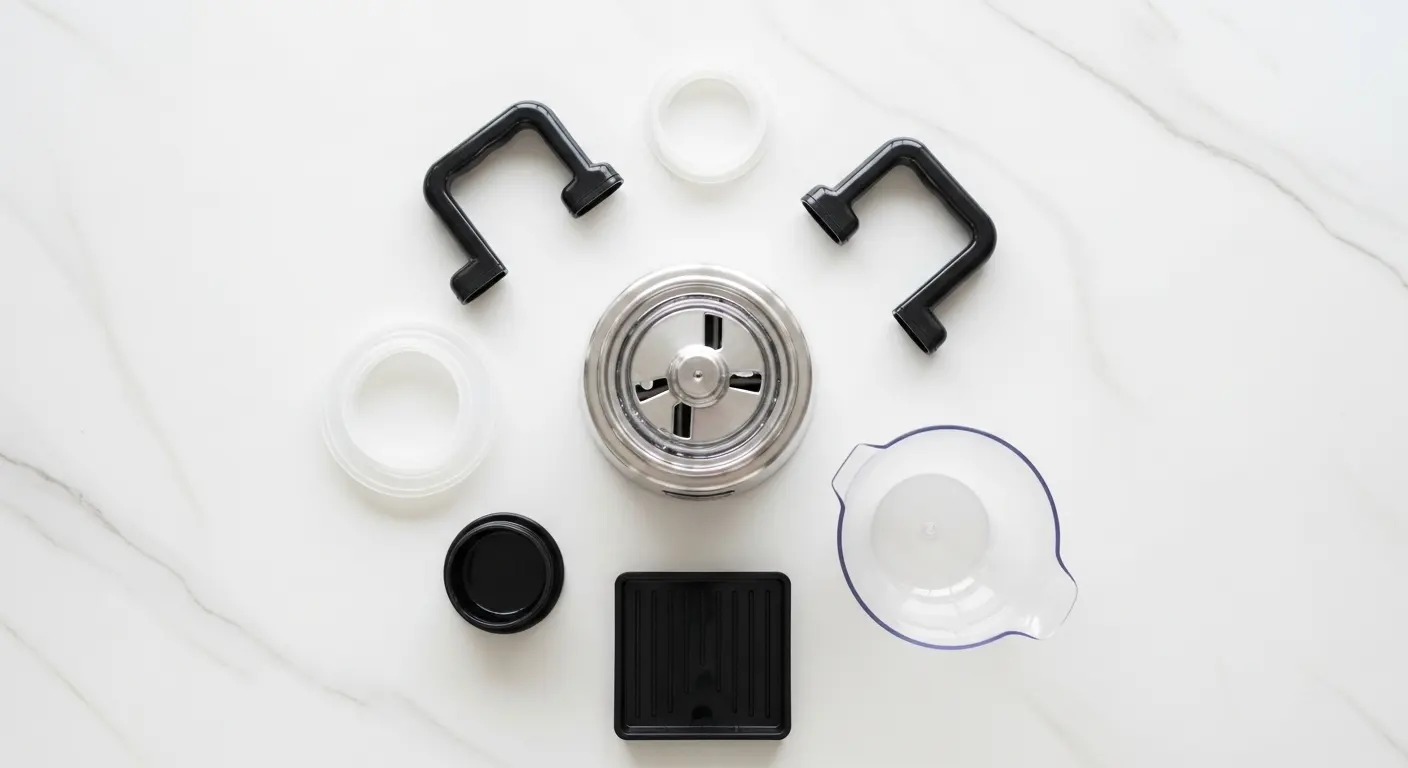
This is where the buying decision actually gets made. Here are the five design features that separate a machine you will actually keep clean from one that ends up in the back of a cupboard.
Detachable Handle and Mixing Components
The mixing handle — or auger — is the part that touches your drink most directly. On lower-quality machines, it is fixed in place and can only be wiped down from the outside. On a properly designed easy to clean frozen drink maker, the handle breaks down into individual sections that you can wash separately.
The Yumyth Mini Slush Machine takes this further — the handle separates into smaller components with no hidden gaps or crevices where residue can sit. It snaps back together in seconds. That design detail alone makes post-use cleaning dramatically faster.
Removable Silicone Seal Ring
This part is small, but it creates the biggest cleaning problem on machines that get it wrong. The silicone seal ring sits between the bowl and the machine base. Every use, liquid seeps toward this area. If the ring is fixed in place, you cannot clean behind or underneath it — which is exactly where mold tends to start.
A fully removable seal ring pulls free in one motion, rinses under the tap in under a minute, and snaps back into place. It is the clearest indicator that a manufacturer actually thought about how people use — and clean — their machine.
Dishwasher-Safe Parts
Not all "removable" parts are dishwasher-safe. Some machines let you detach components but then require hand-washing only, which adds time and effort back into the process. For a truly easy to clean frozen drink maker, the detachable parts — bowl, seal ring, drip tray, handle sections — should all be rated for the dishwasher's top rack.
Check this specification before buying. Many product listings mention removable parts without confirming dishwasher compatibility. Those two things are not the same.
Built-In Rinse or Self-Clean Cycle
A rinse cycle handles the internal parts of the machine you cannot physically reach — the channels and cooling surfaces inside the chamber. This is especially useful between batches of different flavors, or at the end of a long session when you want a fast flush before a full clean tomorrow.
Both the Yumyth Mini Slush Machine and the Yumyth Slush and Ice Cream Maker include a 3-minute quick rinse cycle activated by holding the Function button. That three minutes handles the bulk of the internal residue so a full teardown is needed less often.
Removable Drip Tray
Every frozen drink maker produces drips — from dispensing, from condensation, from overflow. The tray beneath the spout catches it all. If that tray is fixed, the residue sits in a space you can only partially reach with a cloth. A detachable drip tray lifts out in seconds, rinses clean under the tap, and eliminates one of the most common points of buildup on lower-quality machines.
Easy to Clean Frozen Drink Makers Worth Buying
These machines specifically earn the "easy to clean" label because of how they are built — not just because a spec sheet says so.
Yumyth Mini Slush Machine (YX1801)
The Yumyth Mini Slush Machine is one of the most cleaning-focused compact frozen drink makers available. The handle fully detaches and separates into sections — no gaps, no fixed parts that need scrubbing around. The silicone seal ring pulls free completely. The 3-minute quick rinse cycle handles the internal chamber between uses.
At 61oz capacity and a compact footprint, it fits most kitchen counters without dominating them. Six preset modes cover slush, wine, milkshake, cocktail, coffee, and a custom setting. The intelligent auger reversal prevents ingredient buildup during operation, which also means less stuck residue to deal with during cleaning.
For a home easy to clean frozen drink maker that actually delivers on that promise, this is a strong starting point.
Yumyth Slush and Ice Cream Maker (YX1802)
For households that want both slush drinks and soft ice cream textures from one machine, the Yumyth Slush and Ice Cream Maker adds dual-texture capability without sacrificing the cleaning design. The same detachable handle, removable seal ring, and quick rinse cycle carry over from the mini model.
Dairy residue from ice cream mode is harder to clean than juice residue — so the fully removable components matter even more here. You can wash every contact surface independently rather than hoping a rinse cycle reaches the spots where cream has dried.
If you are comparing this machine against a dedicated ice cream maker, the ice cream vs slush machine guide breaks down how both types handle cleaning, capacity, and everyday use in detail.
Ninja SLUSHi FS301
The Ninja SLUSHi is widely reviewed and consistently scores well on cleaning ease. All removable parts go in the dishwasher, and the auto-clean cycle handles the internal chamber. For buyers who want a proven, widely-available easy to clean frozen drink maker, the SLUSHi is a reliable choice. Its 88oz capacity and five preset modes work well for small gatherings and family use.
Iceman by Chefman Slush-Ease
The Iceman offers a built-in cleaning cycle that handles most of the internal maintenance automatically. Removable parts are straightforward to access and wash. At a lower price point than the Ninja, it delivers a genuinely decent cleaning experience for the cost. The 48oz liquid capacity is practical for households of two to four people.
Step-by-Step: How to Clean Your Frozen Drink Maker Properly
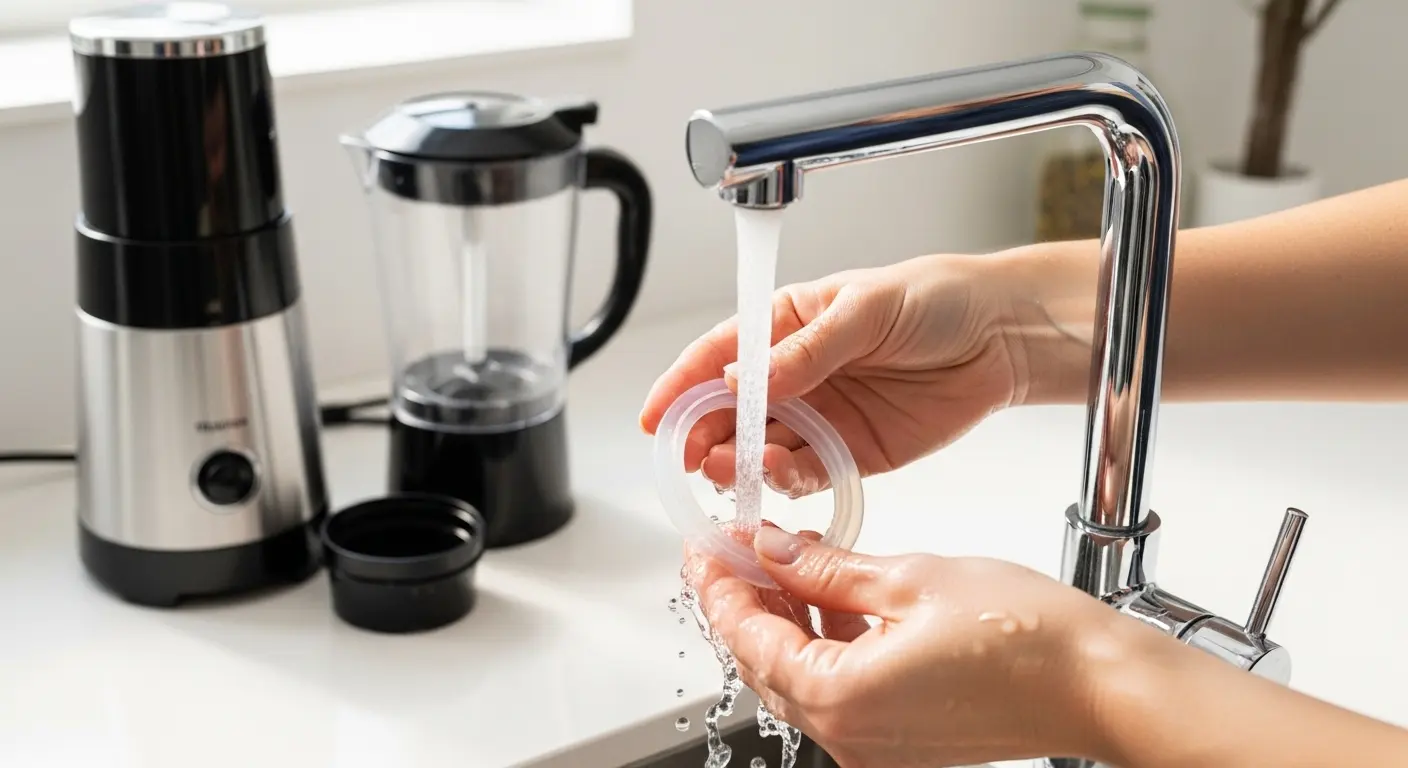
Even the best easy to clean frozen drink maker needs a proper cleaning routine. Here is a process that takes under ten minutes and keeps your machine hygienic for the long term:
- Run the rinse cycle first — before disassembly, activate the machine's built-in rinse function to flush internal channels while residue is still liquid.
- Detach all removable components — seal ring, handle sections, drip tray, and bowl. Set them on a clean surface.
- Wash immediately — sugar residue dries within minutes. Washing while everything is still wet takes half the effort.
- Dishwasher or warm soapy water — check your machine manual for which parts are dishwasher-safe. Most silicone and plastic components are; electronics are not.
- Use a soft bottle brush on the auger — the spiral grooves on a mixing auger trap residue that a cloth misses. A bottle brush reaches into those threads directly.
- Dry fully before reassembly — trapped moisture between sealed surfaces is where mold forms. Air dry on a rack or towel-dry before putting parts back.
- Wipe down the exterior — the machine body collects drips and fingerprints. A damp cloth is enough for most sessions.
For machines used with dairy or alcohol regularly, a diluted food-safe sanitizing solution on removable parts once a week prevents protein and yeast buildup that routine soap misses.
Easy to Clean vs. Hard to Clean: How They Compare
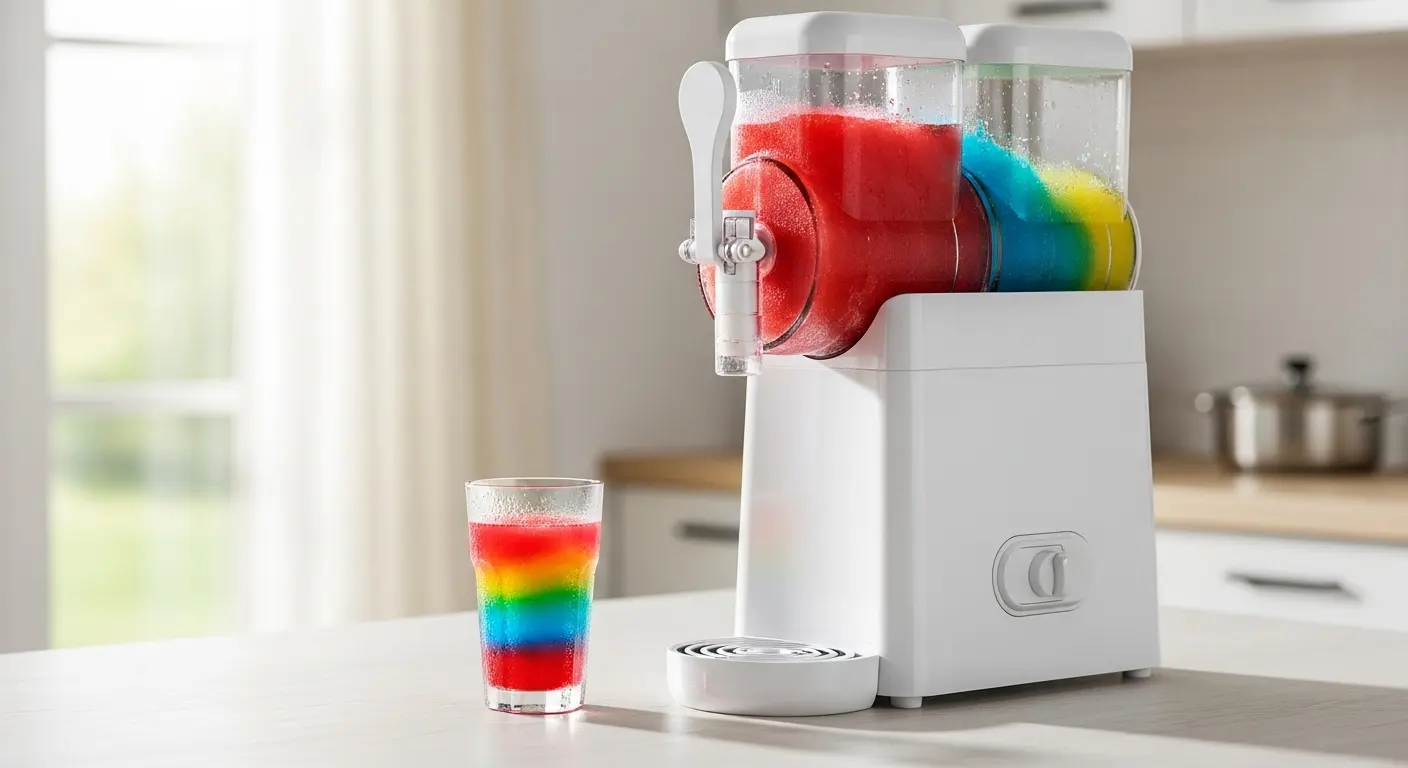
Understanding the difference in concrete terms helps when comparing specs before buying.
| Feature | Easy to Clean Design | Hard to Clean Design |
|---|---|---|
| Handle/auger | Fully detachable, dishwasher-safe | Fixed, wipe-down only |
| Seal ring | Removable, rinseable | Sealed in place |
| Drip tray | Detaches in seconds | Fixed, partial access only |
| Internal cleaning | Built-in rinse cycle | Manual rinse with water only |
| Cleaning time per session | 5–10 minutes | 20–30 minutes |
| Mold/bacteria risk | Low | Higher over time |
| Flavor transfer between batches | Minimal | Common |
The cleaning time difference is not trivial. For a machine used three or four times a week, that gap adds up to hours saved every month. Above all, the hygiene difference matters — especially for households with children or anyone with dietary sensitivities.
Frozen Drink Maker or Ice Cream Machine — Which Is Easier to Maintain?
This comparison comes up often, particularly as combo machines become more common. Traditionally, ice cream machines used simpler bowl designs — but those bowls required pre-freezing, which meant less flexibility in how cleaning was managed. Modern frozen drink makers, specifically compressor-based models, have moved ahead on modular cleaning design.
The reason is frequency of use. A frozen drink maker at a party gets used repeatedly with different flavors. That repeated use pressure pushed manufacturers toward better cleaning access. Ice cream machines, used once per session, faced less of that design pressure.
In practice, a well-designed easy to clean frozen drink maker — especially one with fully detachable parts and a rinse cycle — is faster to clean than most stand-alone ice cream machines. The ice cream vs slush machine comparison covers this in detail, including how each machine type handles multi-session use and daily maintenance differently.
For households interested in ice making as part of a broader frozen beverage setup, the ice makers buying guide covers dedicated ice-making appliances that pair well with frozen drink machines.
For those exploring frozen drink appliances at a commercial or semi-commercial scale, the industry insights section covers how cleaning standards and removable-component design have become baseline expectations across the category — not just a premium feature on high-end models.
Frequently Asked Questions
What is the easiest frozen drink maker to clean?
The easiest frozen drink makers to clean are models with fully detachable handles, removable silicone seal rings, dishwasher-safe parts, and a built-in rinse cycle. The Yumyth Mini Slush Machine and Yumyth Slush and Ice Cream Maker both meet all four criteria — detachable components, removable seal ring, dishwasher-compatible parts, and a 3-minute quick rinse function.
How often should I clean my frozen drink maker?
You should rinse internal channels after every use and do a full component wash at least once per day if the machine sees regular use. For machines handling dairy, alcohol, or multiple flavors in one session, full cleaning after each session is the right approach. A weekly sanitizing rinse of removable parts prevents long-term bacterial buildup.
Are frozen drink maker parts usually dishwasher safe?
Many modern frozen drink makers include dishwasher-safe removable parts — typically plastic bowls, silicone seal rings, and drip trays. However, not all machines qualify on every component. Always confirm dishwasher compatibility in the product manual before putting parts in, as some are top-rack only and temperature limits vary.
What happens if I do not clean my frozen drink maker regularly?
Skipping regular cleaning leads to sugar crystallization in hard-to-reach surfaces, mold growth behind seals and around the auger, bacterial contamination in dairy residue, and flavor transfer between batches. Over time, this also affects machine performance — residue buildup in the auger slows mixing and can cause motor strain.
Can I use a frozen drink maker for both alcoholic and non-alcoholic drinks?
Yes, most frozen drink makers support both — though alcohol content needs to stay low (typically under one tablespoon per serving) to allow proper freezing. For machines used for both, thorough cleaning between sessions is important to prevent flavor carry-over and alcohol residue affecting non-alcoholic drinks.
Related Articles
Guide for Brands Looking for a Reliable Vacuum Sealer OEM Supplier
2026-09-14
BY YUMYTH
When you are sourcing kitchen appliances for your retail brand, finding a dependable vacuum sealer OEM supplier is rarely just about getting the lowest unit price. It is about protecting ...
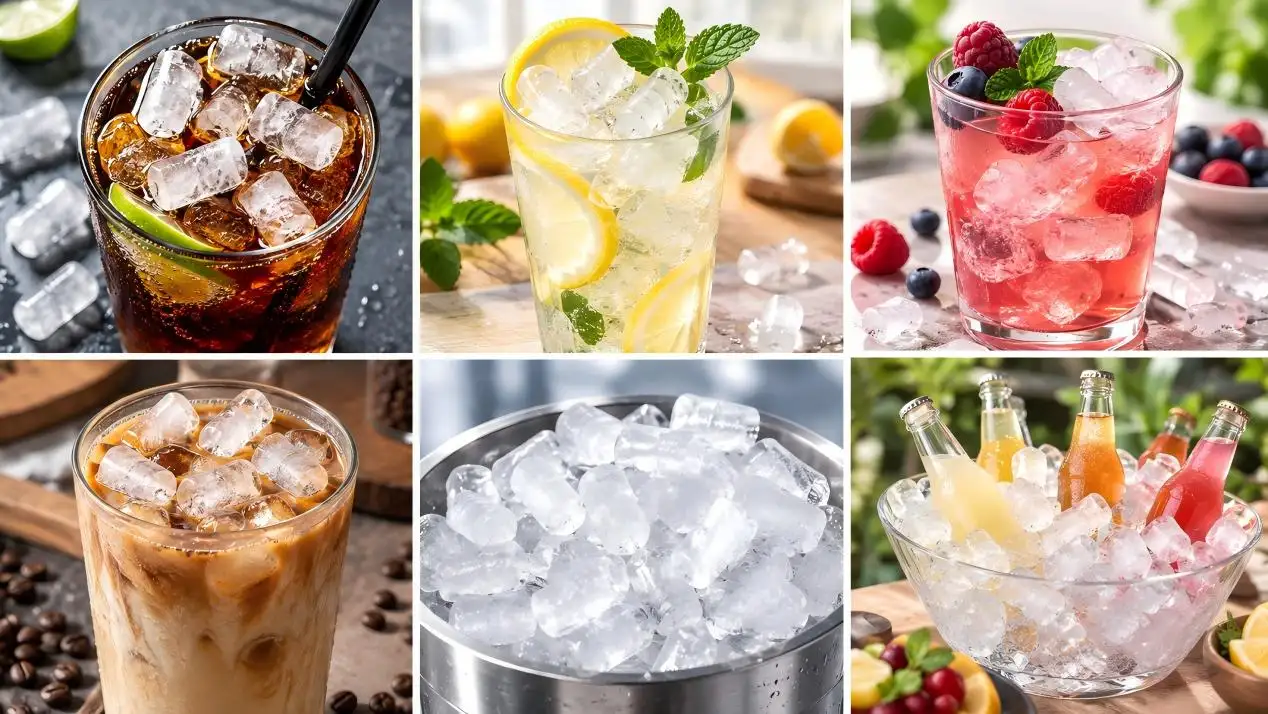
Why Ice Shape Matters: Understanding 10mm × 15mm Cylindrical Nugget Ice
2026-09-14
BY YUMYTH
More Than Ice Production — The Ice Itself Shapes the Consumer Experience When sourcing a nugget ice maker, buyers often focus first on production capacity, water tank size, ice basket ...

Ice Maker Sourcing Guide: How to Find the Right Factory
2026-09-10
BY YUMYTH
Sourcing an ice maker looks straightforward on paper. Find a supplier, agree on a price, place an order. But anyone who has actually done this knows the process is rarely ...
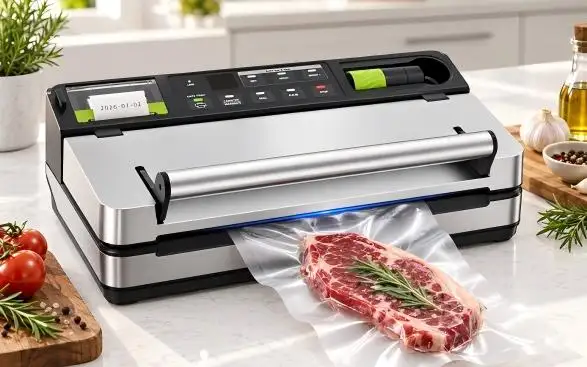
Custom Vacuum Sealer & Nugget Ice Maker Development Cases | OEM/ODM Manufacturer
2026-09-08
BY YUMYTH
In today’s competitive small kitchen appliance market, offering the same products as every other brand is often not enough. Importers, distributors and appliance brands increasingly need exclusive products that reflect their ...