
Food Safe Slushie Machine: Materials, Standards, and Top Picks
Share:
-

-

-

-


Copied
Share:
-
-
-
-
Copied
Finding a food safe slushie machine is not as simple as reading "BPA-free" on a product label and moving on. The materials that contact your drink directly — the bowl, the seal ring, the auger, and the internal chamber — all need to meet real food-safety standards, not just marketing ones. Most buyers only think about this after they notice a strange taste, a discoloration, or a seal ring that has started to degrade.
This guide covers exactly what food safety means for slushie machines, which materials and certifications to check, and which machines hold up to that standard in practice.
What Makes a Slushie Machine Food Safe?
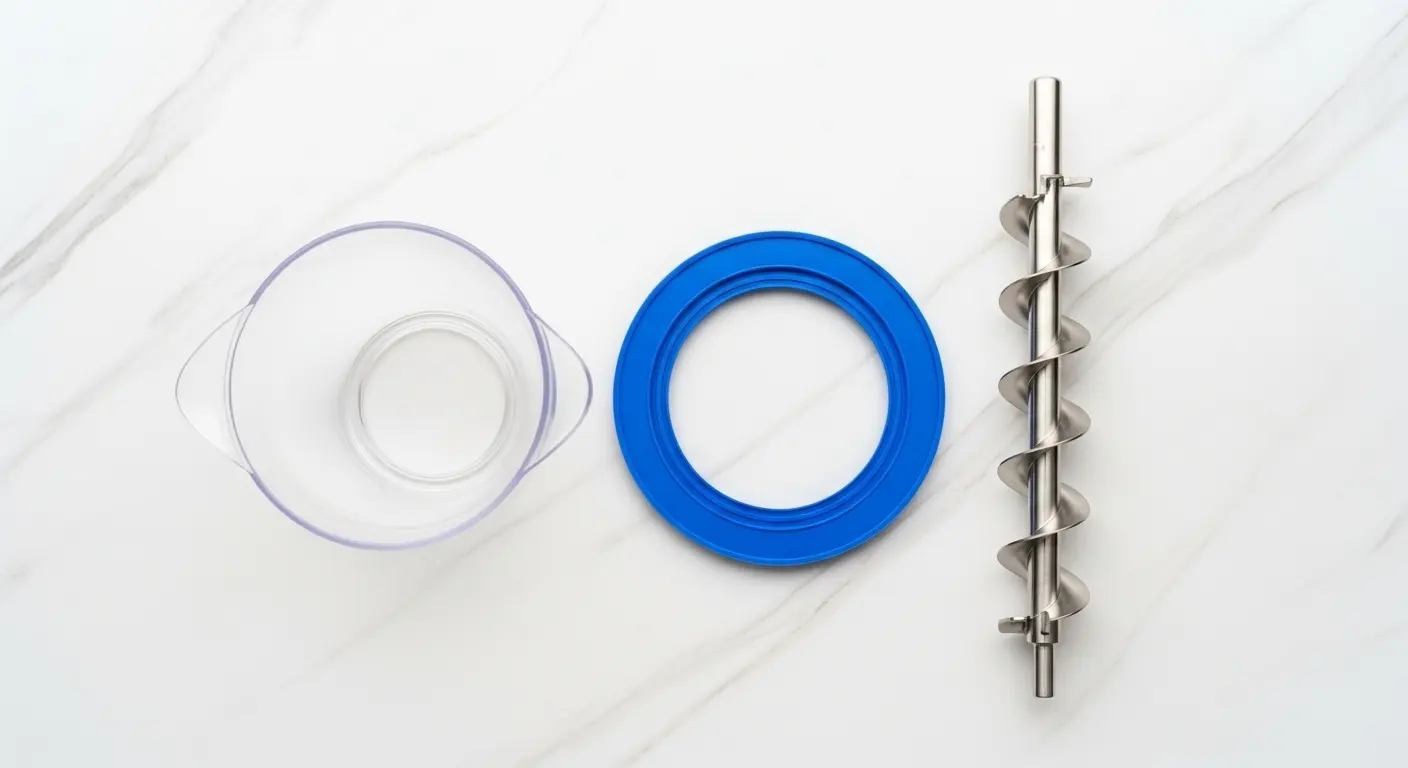
A food safe slushie machine is one where every surface that contacts your drink — directly or indirectly — is made from materials that do not leach harmful chemicals, resist bacterial adhesion, withstand cleaning cycles, and maintain structural integrity at low temperatures over extended use.
That means the machine needs to meet specific material standards, not just general "safe to use" claims. Here is what to actually look for.
Food-Grade Silicone
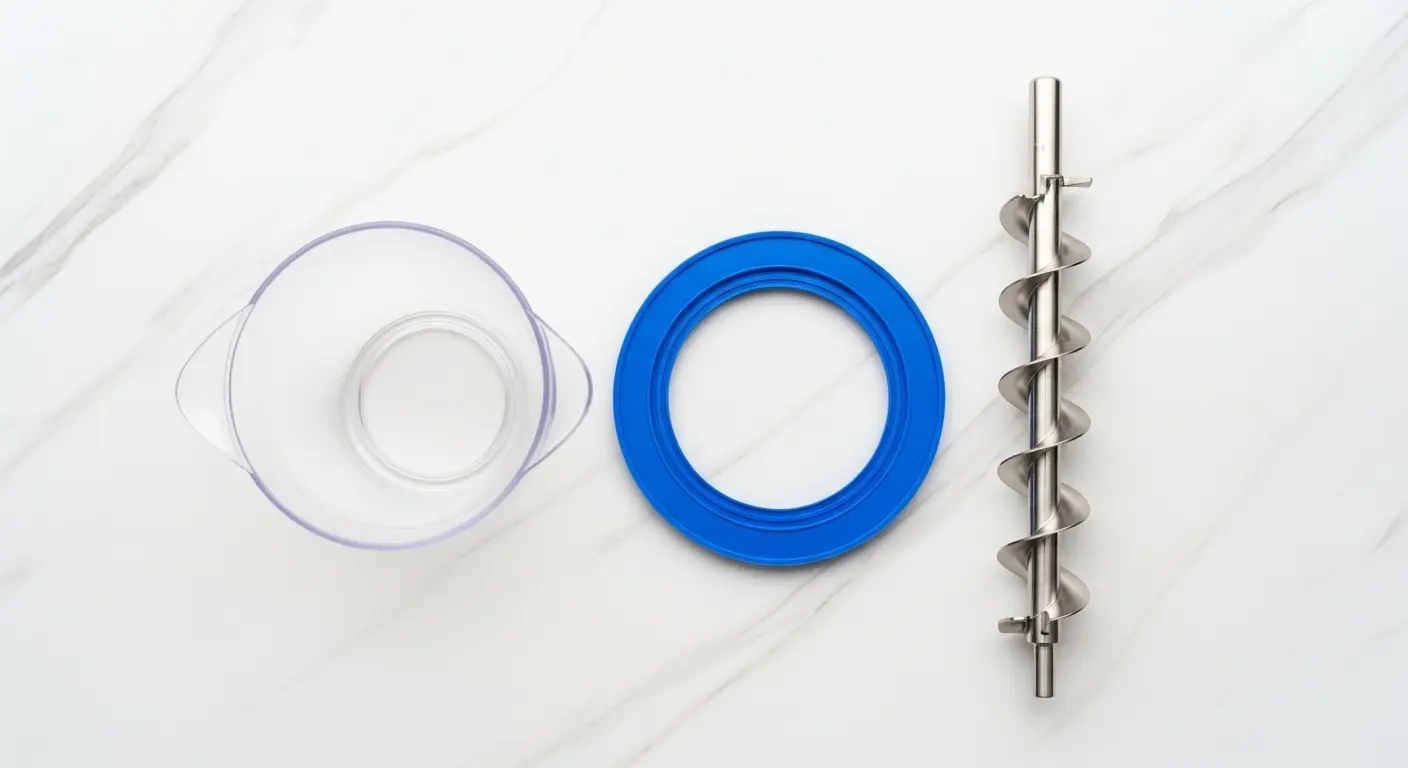
The silicone seal ring is one of the most important food contact surfaces on a slushie machine. It sits between the bowl and the base, in direct contact with liquid every cycle. Food-grade silicone — sometimes listed as FDA-grade or LFGB-compliant silicone — is non-toxic, odorless, resistant to temperature extremes, and does not harbor bacteria when kept clean.
Cheaper machines use lower-grade rubber or PVC compounds in this area. These materials can degrade over time, especially with repeated exposure to acidic juices or cleaning chemicals. For a properly rated food safe slushie machine, the silicone components should be specifically identified as food-grade in the product specifications — not just listed as "silicone."
BPA-Free Plastic (Food-Grade ABS)
Most slushie machine bowls and exterior parts are made from plastic. BPA-free is the baseline requirement — bisphenol A is a chemical used in some hard plastics that can migrate into food contact surfaces over time. However, BPA-free alone does not guarantee the plastic is food-safe.
The specific material to look for is food-grade ABS (Acrylonitrile Butadiene Styrene) — a food-contact-approved plastic that is impact resistant, temperature stable, and easy to clean. It is the standard used across quality kitchen appliances. When a manufacturer lists "ABS" in the material spec alongside silicone and stainless steel, that is a meaningful signal — not just a marketing phrase.
SUS304 Stainless Steel
For internal components like the auger, SUS304 stainless steel is the food-safety standard. SUS304 (also known as 18/8 stainless) is corrosion-resistant, non-reactive with acidic drinks, dishwasher-safe at temperature, and does not leach metals into your beverage even after years of use. It is the same grade used in professional kitchen equipment and food manufacturing machinery.
In contrast, lower-grade stainless or chrome-plated steel can corrode over time, especially with repeated exposure to sugary, acidic liquids. Rust particles and oxidation byproducts are not things you want in a frozen drink. When a machine lists SUS304 specifically in its material spec, that is a concrete food safety indicator.
NSF Certification for Commercial Use
For commercial environments — cafes, restaurants, food trucks, event catering — NSF International certification is the gold standard for food safe slushie machine compliance. NSF/ANSI 7 covers commercial refrigeration equipment that contacts food directly. NSF certification means the machine has been independently tested for material safety, construction standards, cleanability, and contamination resistance.
For home use, NSF certification is not always mandatory — but it is a strong signal of build quality. If a home-use machine carries NSF certification or is built to commercial-equivalent standards, its food safety profile is stronger than a machine with no third-party verification at all.
Why Material Quality Matters More Than You Think
Here is the part most buyers skip: even a machine made with the right materials can become a food safety problem if the design traps residue in spaces you cannot clean.
Sugar residue left in crevices ferments. Dairy residue left behind a fixed seal ring can develop bacterial colonies within 24 hours at room temperature. Juice pulp trapped in auger threads oxidizes and affects flavor — and eventually contaminates the next batch. Above all, the combination of poor material quality and poor cleaning access is where most home slushie machine hygiene failures actually happen.
A genuine food safe slushie machine addresses both sides: safe materials and cleaning access that lets you actually reach and wash every food contact surface. These two things work together. One without the other is not enough.
Food Safe Slushie Machine Features to Look For When Buying
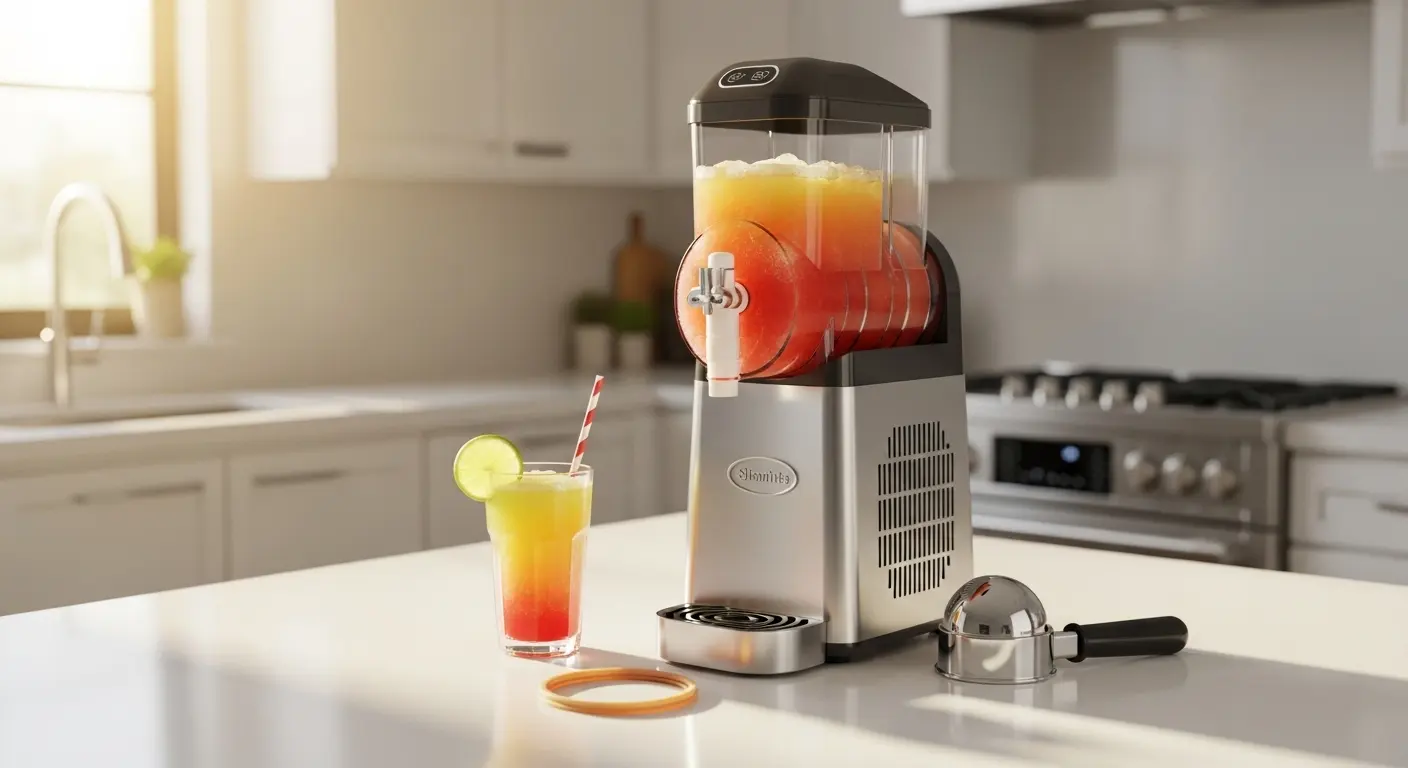
When evaluating any machine on food safety grounds, check these specific features in the product listing or manual:
- Material specification — look for food-grade ABS, food-grade silicone, and SUS304 stainless listed explicitly, not vaguely described as "safe materials"
- Removable seal ring — if the silicone seal ring cannot be removed, you cannot inspect or properly clean behind it; that is a food safety gap
- Detachable auger or mixing handle — internal mixing components should fully separate for washing and inspection
- Dishwasher-safe components — food contact parts rated for dishwasher temperatures confirm heat resistance and material stability
- Built-in rinse cycle — for surfaces you cannot physically reach, a machine rinse cycle flushes residue from internal channels between uses
- NSF certification or equivalent — especially relevant for semi-commercial or frequent home use
A machine that checks every box on materials but has a fixed, non-removable seal ring is still a food safety concern in practice. Treat material specs and cleaning access as equal priorities.
Food Safe Slushie Machines Worth Buying
These machines earn the food safe label based on documented material specifications and cleaning design — not marketing language.
Yumyth Mini Slush Machine (YX1801)
The Yumyth Mini Slush Machine is built with food-grade ABS plastic, food-grade silicone for the seal ring, and SUS304 stainless steel internal components. These are not implied materials — they are listed in the machine's technical specifications. The silicone seal ring is fully removable, pulling free in one motion for separate washing. The handle detaches into individual sections with no hidden crevices. All removable contact parts are dishwasher-safe.
A 3-minute quick rinse cycle activates by holding the Function button, flushing the internal chamber between uses. For a compact food safe slushie machine that backs its safety claims with real material specs and proper cleaning access, this is a strong option for home use.
Yumyth Slush and Ice Cream Maker (YX1802)
The Yumyth Slush and Ice Cream Maker uses the same material trio — food-grade ABS, food-grade silicone, and SUS304 stainless — across a machine that handles both slush drinks and soft ice cream textures. The dual-function design means contact with dairy-based mixes, which raises the food safety bar even higher. Daily cleaning of the removable silicone seal and detachable handle components is straightforward and the quick rinse cycle handles internal flushing.
For households that want one machine covering both frozen drink categories, this is the food safe slushie machine option that does not cut corners on material standards in either mode. For a full comparison of how slush machines and ice cream machines differ in design, maintenance, and everyday use, the ice cream vs slush machine guide covers both in depth.
Ninja SLUSHi FS301
The Ninja SLUSHi is widely reviewed and uses food-contact-safe materials across its removable components. All detachable parts are dishwasher-safe, and the auto-clean cycle handles internal flushing. For buyers who want a proven, widely-available food safe slushie machine at a mid-premium price point, the SLUSHi delivers. Its 72oz capacity suits families and small gatherings well, and the five preset programs cover most frozen drink use cases.
GreenPan Frost
GreenPan positions its Frost model around food safety and clean material claims, using PFAS-free and BPA-free construction throughout. Consumer Reports has included it in their slushie machine testing, and its cleaning design — fully removable contact parts — holds up in practice.
How to Keep Your Food Safe Slushie Machine Hygienic Over Time
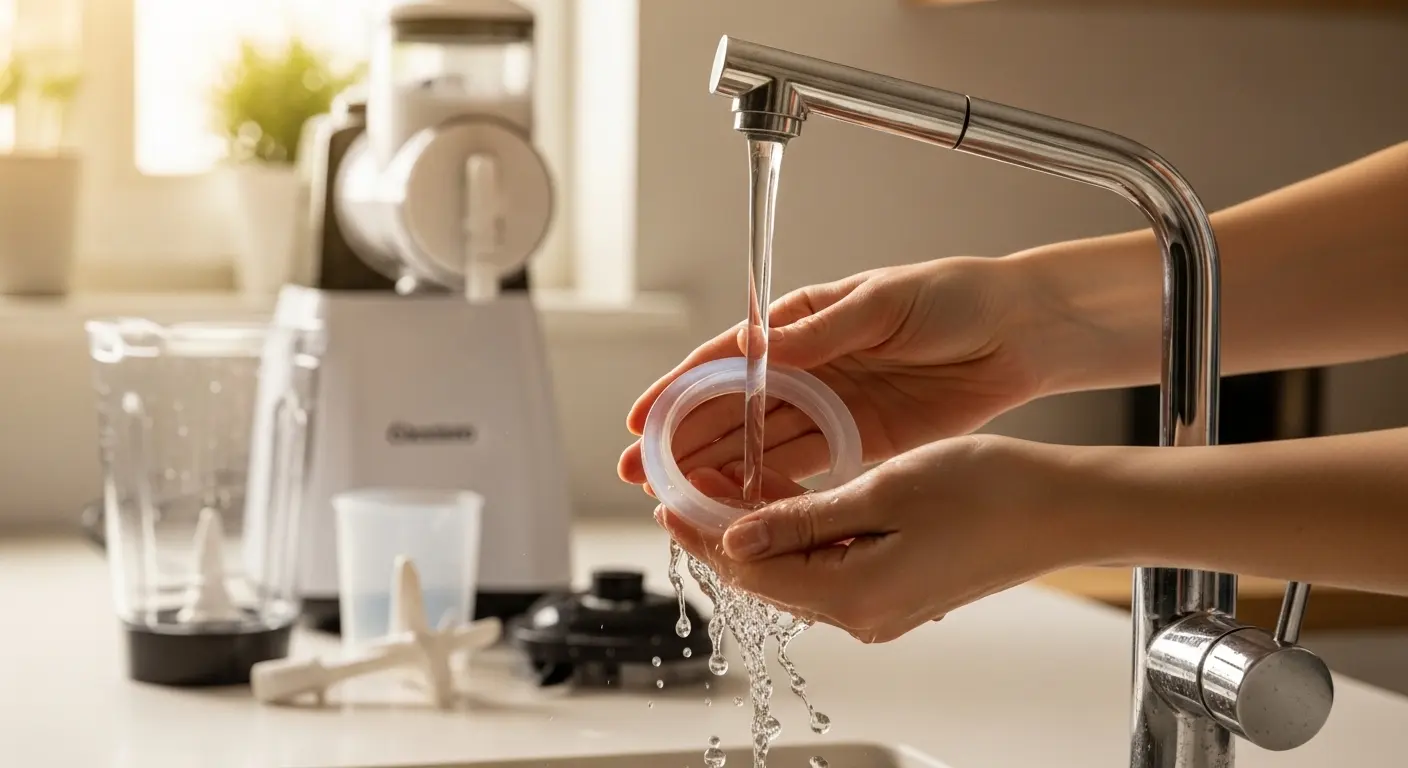
Buying a food safe slushie machine is step one. Keeping it food safe through proper maintenance is step two — and it is ongoing.
Here is a practical routine that protects both the machine and the people drinking from it:
- Run the rinse cycle after every use — before disassembly, flush the internal chamber to remove liquid residue while it is still wet and easy to move
- Remove and wash all food contact parts — seal ring, auger/handle sections, drip tray, and bowl after each use; do not let residue sit overnight
- Inspect the seal ring regularly — pull it free and check for discoloration, cracks, or texture changes that could indicate material degradation; replace it if the surface looks compromised
- Use warm soapy water or the dishwasher — confirm which parts are rated for the dishwasher versus hand-wash only; most food-grade ABS and silicone parts handle dishwasher temperatures safely
- Sanitize weekly with a food-safe solution — diluted white vinegar or a food-safe sanitizer applied to removable parts prevents bacterial buildup that soap alone misses, especially for machines handling dairy
- Dry all components fully before reassembly — moisture trapped between sealed surfaces is where mold starts; air drying on a rack is the safest approach
For broader kitchen food safety, pairing your slushie machine with proper ingredient storage matters too. The vacuum sealers guide covers how vacuum sealing frozen ingredients before use reduces contamination risk from the ingredient side — worth considering if you are preparing frozen drink mixes in batches.
Home Use vs. Commercial Use: Different Food Safety Standards
The food safety requirements for a home food safe slushie machine and a commercial one are not the same — but understanding the difference helps home buyers make better decisions.
| Standard | Home Use | Commercial Use |
|---|---|---|
| Material certification | BPA-free + food-grade ABS/silicone | NSF-certified food contact materials |
| Cleaning frequency | After each use | Multiple times per day (dairy: every use) |
| Regulatory oversight | Manufacturer self-certification | NSF/ANSI 7 or equivalent third-party testing |
| Dairy handling approval | Check manufacturer spec | Requires separate dairy certification |
| Inspection access | Removable parts for home cleaning | NSF requires all surfaces to be cleanable without tools |
For commercial environments — cafes, food trucks, event businesses — the industry insights section covers how food safety certifications and material standards are becoming baseline requirements across the slushie machine category, with NSF compliance increasingly expected even for semi-commercial home use.
For setups that combine frozen drink making with dedicated ice production, the ice makers buying guide covers ice-making appliances built to equivalent food-safe material standards — a useful companion if you are building a complete frozen beverage station at home or for a small business.
Frequently Asked Questions
What materials make a slushie machine food safe?
A food safe slushie machine should use food-grade ABS plastic for the bowl and body, food-grade (FDA or LFGB-compliant) silicone for the seal ring, and SUS304 stainless steel for internal components like the auger. These three materials are the standard combination for food-contact kitchen appliances that handle liquid and cold temperatures over repeated use cycles.
Is BPA-free the same as food safe on a slushie machine?
No. BPA-free means the plastic does not contain bisphenol A, but it does not guarantee the material is specifically food-grade approved. Food-grade ABS is a separate classification that confirms the plastic meets food contact safety standards for chemical migration, temperature resistance, and cleanability. Always check whether the listing specifies "food-grade ABS" rather than just "BPA-free plastic."
Do home slushie machines need NSF certification?
NSF certification is not legally required for home-use slushie machines, but it is a strong indicator of build quality. Machines certified to NSF/ANSI standards have been independently tested for material safety, structural cleanability, and contamination resistance. For home machines, confirming that contact materials are food-grade (ABS, silicone, SUS304 stainless) provides similar assurance without requiring the full commercial certification.
Can I use a slushie machine for dairy-based drinks safely?
Yes, but only if the machine is specified by the manufacturer for dairy use and you clean it thoroughly after each dairy session. Dairy residue builds up faster and poses a higher bacterial risk than juice or sugar-based drinks. Every food contact surface — seal ring, auger, bowl, drip tray — must be fully removable and washed after each use. Do not rely on a rinse cycle alone when handling dairy.
How do I know if my slushie machine's seal ring is still food safe?
Inspect the silicone seal ring regularly by removing it fully. Signs that the seal ring needs replacing include discoloration (yellowing or staining), surface tackiness, cracking, or a persistent off-smell that survives washing. A degraded seal ring can harbor bacteria in micro-surface damage and may begin to leach degradation byproducts into contact with your drink. Most manufacturers offer replacement seal rings as spare parts.
Related Articles
How We Test Every Ice Maker Before Packaging
2026-09-15
BY YUMYTH
A step-by-step look at refrigerant handling, cooling verification, leak detection, corrective action and electrical safety testing For an ice maker, reliable performance is determined long before the carton is sealed. ...
Guide for Brands Looking for a Reliable Vacuum Sealer OEM Supplier
2026-09-14
BY YUMYTH
When you are sourcing kitchen appliances for your retail brand, finding a dependable vacuum sealer OEM supplier is rarely just about getting the lowest unit price. It is about protecting ...
Why Ice Shape Matters: Understanding 10mm × 15mm Cylindrical Nugget Ice
2026-09-14
BY YUMYTH
More Than Ice Production — The Ice Itself Shapes the Consumer Experience When sourcing a nugget ice maker, buyers often focus first on production capacity, water tank size, ice basket ...

Ice Maker Sourcing Guide: How to Find the Right Factory
2026-09-10
BY YUMYTH
Sourcing an ice maker looks straightforward on paper. Find a supplier, agree on a price, place an order. But anyone who has actually done this knows the process is rarely ...