
A Practical Purchasing Guide for Vacuum Sealer for Supermarkets
Share:
-

-

-

-


Copied
Share:
-
-
-
-
Copied
The Vacuum Sealer for Supermarkets is a fantastic food packaging modern solution for grocery stores, butcher shops, seafood counters, and even prepared food departments. Comparatively, other food storage methods, vacuum sealing is a preferred option due to it reducing food exposure to oxygen, improving food presentation, helping with portion control, and making daily food handling operations more effective.
When it comes to supermarkets, choosing the perfect Vacuum Sealer for Supermarkets goes beyond just the price and sealing power. Supermarkets also have to look into vacuum technology, packaging, processing, durability, hygiene design, and operational costs in the long run.
This is a comprehensive guide to help you with the most appropriate vacuum sealing technology for your business.
How Does a Vacuum Sealer for Supermarkets Work?
There are two main processes that make this technology work.
1. Air Extraction
The first process of vacuum sealing involves air being extracted from the packaging bag.
2. Heat Sealing
The next step involves sealing the packaging by applying a controlled heat to the bag opening.
With vacuum packaging, it is possible to reduce levels of oxygen within the package and this helps slow down oxidation and also deters moisture loss and the growth of microorganisms. Supermarkets stands to gain the following advantages:
• Meat, seafood, vegetables and prepared food stay fresher for a longer period of time.
• Food waste that is caused by spoilage is minimized.
• Better control of the food portions.
• Food packaging helps vacuum sealing technology improve the aesthetic value of the food that is displayed for purchase.
• This technology also helps supermarkets with meal preparation as well as other vacuum sealing tasks that help prepare food for cooking.
Chamber vs. External Vacuum Sealer: Which Technology Fits Supermarkets?
When it comes to vacuum sealing technology, there are two main types that are available to supermarkets. These two types are external vacuum sealers and chamber vacuum sealers.
| Feature | Chamber Vacuum Sealer | External Vacuum Sealer |
| Working Principle | Vacuum chamber encloses entire bag | Only the bag opening goes into the machine |
| Suitable Products | Personal use or small batch of meat or seafood, moist foods, sauces, marinades, and prepared meals | Small batch dry foods, snacks, simple packaging |
| Liquid Handling | Superior for moist foods | Poor; liquid can interfere with the cling of the seal |
| Bag Type | Smooth vacuum bags | Textured vacuum bags |
| Packaging Cost | Cost efficient bags | More expensive bags |
| Production Efficiency | More efficient for commercial use | Better for small batch use |
Advantages of Chamber Vacuum Sealers
Chamber Vacuum Sealers for Supermarkets provide varied opportunities for application with most supermarkets.
Some of the most important benefits are:
• Sealing of liquids:
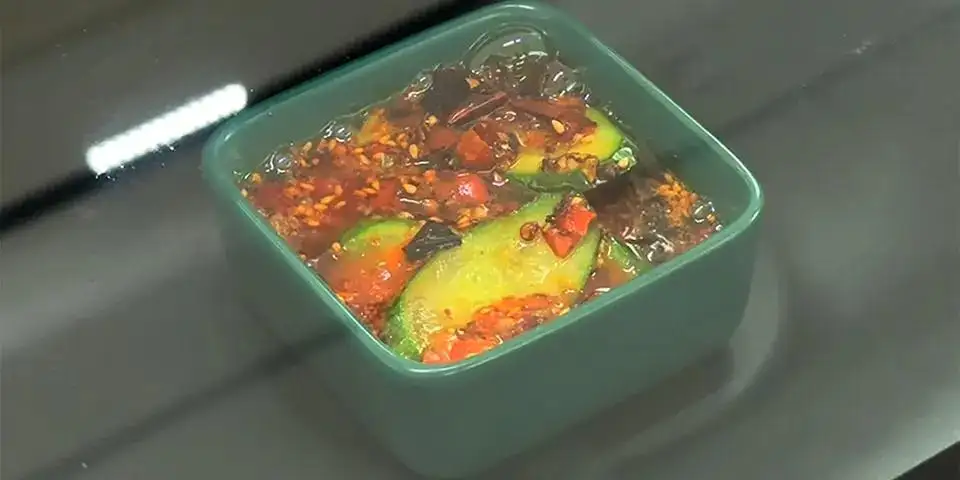
Seal the majority of products which include liquids such as fresh meat, seafood, sauces, and products containing marinades.
• Lower sealing costs:
Chamber Vacuum Sealers use smooth vacuum sealing bags. Compared to the bags with outside sealing texts, smooth vacuum sealing bags are less expensive.
• Sealing consistency:
Sealing consistency is achieved through total air removal from the vacuum bag and the chamber.
• Sealing efficiency:
A number of packages can be vacuum sealed in one cycle of the chamber.
Considerations for Selecting a Vacuum Sealer for Supermarkets
1. Vacuum Strength and Seal Pressure
The strength of the vacuum directly affects the quality of the packaging. A high vacuum strength produces a package that is both tighter and more secure.
The following are important specifications to consider for a Vacuum Sealer for Supermarkets:
• Maximum vacuum pressure
• Pump specifications
• Vacuum speed
• Seal consistency during continuous operation
For high moisture products, the Vacuum Sealer for Supermarkets must have stable vacuum performance.
2. Chamber Size and Daily Processing Capability
The size of the chamber determines the the maximum package size and the flexible scope of production.
Retailers must consider:
• Average package size
• Daily sealing quantity
• Busiest periods of operation
• Desired cycle speed
| Supermarket Application | Recommended Consideration |
| Small prepared food section | Compact chamber model |
| Butcher or seafood counter | Larger chamber capacity |
| High-volume packaging | Continuous-cycle commercial unit |
3. Construction Quality and Hygiene Design
Cleaning and daily usage pose specific challenges to supermarket equipment.
Design features include:
• Corrosion resistant construction
• Surfaces that are easy to clean
• Drip trays which are removable
• Durable sealing bars
• Overheating protection
Designing a Vacuum Sealer for Supermarkets that is well thought out reduces the maintenance burden and protects the investment in equipment by helping to maintain the desired standards of hygiene.
4. Operation Convenience and Staff Efficiency
Supermarket staff will be using the equipment all day. Therefore, the convenience of operation is a major consideration at the time of purchase.
Some of the features that are helpful include:
• Control buttons for simple operation
• LED indicators
• Countdown timer display
• Access for quick cleaning
• Rapid bag change
Operation convenience increases efficiency and reduces the need for extensive training.
YUMYTH Vacuum Sealer for Supermarkets Solution
YUMYTH Electronic Tech Co., Limited invests heavily into Vacuum Sealing technology and kitchen appliances with a focus on applied practical design for food preservation solutions at both the commercial and domestic levels.
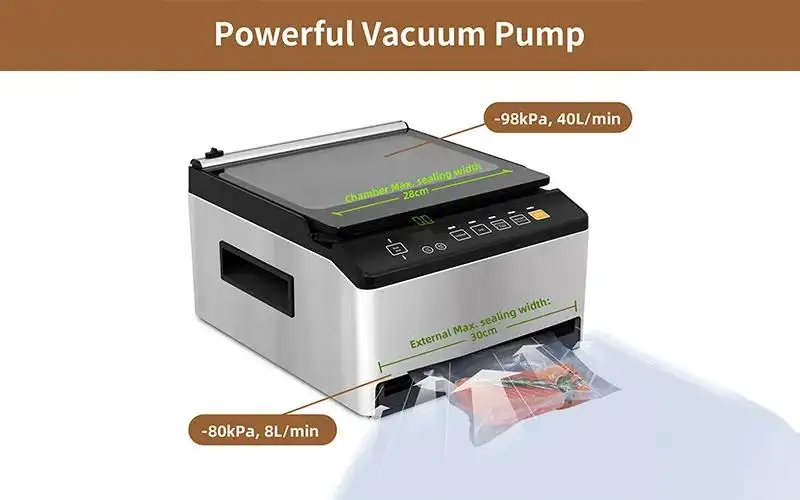
The CVS101 Vacuum Sealer integrates Chamber vacuum technology with external sealing, allowing flexibility for various supermarket packaging needs.
Dual Vacuum Modes
| Mode | Application | Vacuum Performance |
| Chamber Mode | Wet Foods, Liquids, Meat, Seafood, Cooked Meals | Up to -98 kPa |
| External Mode | Dry Goods and Larger Items | Up to -80 kPa |
Multiple packaging functions can be performed with the built-in dual vacuum modes.
Main Features of the CVS101 Vacuum Sealer
Reliable Vacuum Performance
• Air extraction efficiency improved by triple-pump system
• Maintains consistent performance when sealing repeatedly
• Capable of continual use with supermarket vacuum packing
Robust Design
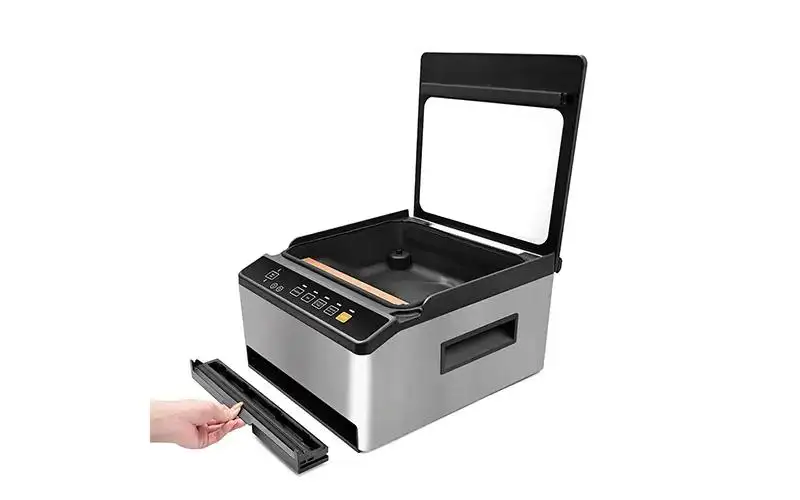
• SUS430 stainless steel and ABS construction
• Sealing process visibility with toughened glass lid
• Bag length customizable with built-in cutter
• Easier maintenance with removable drip tray
Smart Operation Features
• Easy to use with LED indicators
• Provides time control with sealing countdown display
• Vacuum-release cycles are adjustable with marinate function
• Accessory mode for vacuum sealing use with containers, bottles, and zip bags
Safety
• Overheating protection with NTC
• Protection using a thermal fuse
• Safety with a detachable power cord
• Tested for repeated operating cycles
Technical Specifications
| Parameter | Specification |
| Rated Power | 220 W |
| Chamber Vacuum Pressure | -98 kPa |
| External Vacuum Pressure | -80 kPa |
| Chamber Pump Speed | 40 L/min |
| External Pump Speed | 8 L/min |
| Chamber Sealing Width | 28 cm |
| External Sealing Width | 30 cm |
| Dimensions | 398 × 355 × 229 mm |
| Net Weight | 10.5 kg |
Choosing the Ideal Vacuum Sealer for Supermarkets
The ideal Vacuum Sealer for Supermarkets aids in the preservation of food, cuts down on consumption of packaging material, and streamlines the daily preparation process. Depending on the variety of products to be packaged, including fresh meat, fish, and other seafood, ready to eat meals, and dry products, the best vacuum sealing solution must be tailored to the variety of products, the packaging format, and the expected daily volume of operation.
YUMYTH has a full range of equipment for vacuum sealing tailored for commercial and retail use, with focus on vacuum performance, ease of use and durability. Our packaging specialists look forward to assisting you with supermarket vacuum seal packaging solutions.
FAQs
Q1. What vacuum level is appropriate for supermarket use?
Typically, a vacuum level of approximately -90 kPa is suitable for most commercial food packaging applications.
Q2. Can you use a vacuum sealer to package liquid food?
Chamber vacuum sealers are fine to use with liquid foods, sauces, and marinated foods as the vacuum occurs within a closed chamber.
Q3. How does vacuum sealing reduce food waste in supermarkets?
The reduction of oxygen contact and the improvement of food quality for extended periods allow for the reduction of food waste.
Q4. What foods can be sealed with a supermarket vacuum sealer?
Sealing applications typically include meat, fish, vegetable, and cheese products as well as dry prepared meals and dry food products.
Q5. Is the cost of chamber vacuum bags less than the cost of external vacuum bags?
Yes. Smooth bags, which are used in chamber vacuum sealing, are generally less expensive than textured bags.
Related Articles

Household Slush Machine: What to Know Before Buying One in 2026
2026-09-24
BY YUMYTH
A household slush machine makes frozen drinks at home. It works differently from a blender. A blender crushes ice into your drink, which adds water and waters down the flavor. ...

How Does a Nugget Ice Maker Work? A Look Inside the Ice-Making Process
2026-09-24
BY YUMYTH
Nugget ice looks simple enough. Small, soft pieces of ice drop into the bin, ready to go into a glass. But making that texture is quite different from making a ...
Nugget Ice Maker for Coffee Shop: How Ice Texture Affects Coffee
2026-09-24
BY YUMYTH
When choosing a Nugget Ice Maker for a Coffee Shop, there are many factors to consider aside from the rate of ice production. At YUMYTH, we consider the downstream implications ...
Why Nugget Ice for Soda Creates a Different Mouthfeel Than Traditional Ice Cubes
2026-09-24
BY YUMYTH
At YUMYTH, we believe there is more to Nugget Ice for Soda than just the effect on temperature. The structure of ice also changes the perception of carbonation, how quickly ...