
How does automatic auger reversal work in a slush machine?
Share:
-

-

-

-


Copied
Share:
-
-
-
-
Copied
The automatic auger reversal feature of a modern slush machine is a protection and texture-control feature. If the drink becomes too thick, not all of the ice is picked up, or the auger meets with unusual resistance, the control system can temporarily stop the motor, and then send the opposite direction signal to the auger.
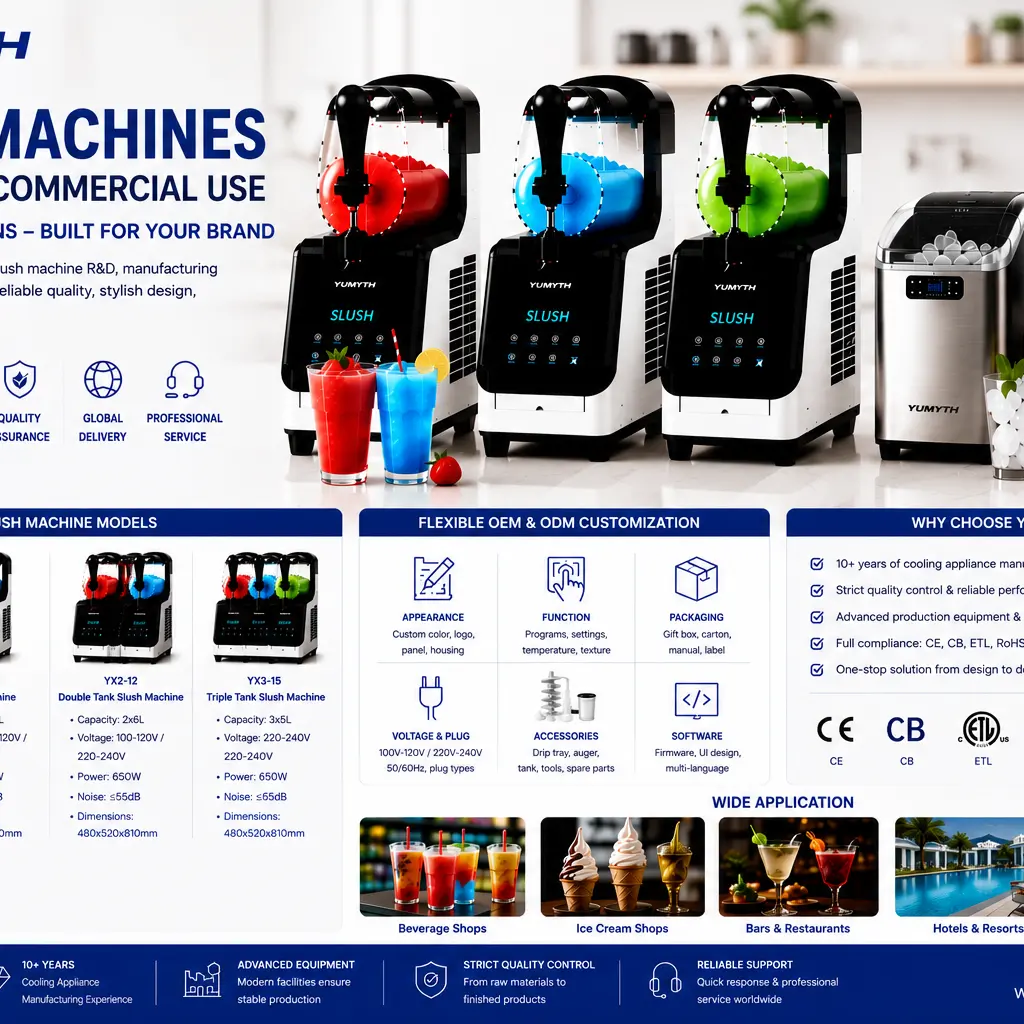
This reverse action process promotes re-distribution of frozen mixture, unloads local ice conditions, and minimizes auger motor, gearbox, shaft and drive coupling stress. Once the resistance goes down, the machine typically resumes normal mixing.
This depends on the manufacturer of the product. A simple system could only be programmed to respond to motor overload, while a more sophisticated design would be able to analyze motor current, auger speed, beverage temperature, run time, and other sensor data.
Why is there a need for Auger Reversal in a Slush Machine?
A slush machine is a machine that produces a slushy (liquid and small ice crystals). The beverage is cooled down by the refrigeration system and the auger brings out forming ice from the cold surface to circulate it through the tank.
The auger is required to keep moving when the beverage thickens up. However, resistance increases can occur due to:
- *Not enough sugar or dissolved solids;
- * Excessive refrigeration;
- * Uneven ice buildup;
- * Thick fruit pulp;
- Dairy or syrup build up;
- * Overfilling;
- * Incorrectly installed components;
- Tank has an object inside.
The motor may attempt to spin the clogged auger if it is not being protected. This can lead to higher electrical currents, motor temperature, load on the gearbox, wear of the couplings and mechanical stresses.
Excessive mechanical load or blockage is usually indicated by increased current in a motor-monitoring system. Current-monitoring devices can be used to activate protective action if an overcurrent condition indicates that equipment might be stalled or overloaded.
Automatic reversal provides the control system with a chance to remove the resistance prior to reaching a full and possibly damaging stall.
How does the machine know when there is higher resistance?
The auger generally doesn't have a dedicated sensor which measures the thickness of the slush itself. Often, however, control systems infer mechanical load based on the behavior and electrical characteristics of the motor.
If a normal liquid mixture is being moved by the auger, the torque and current required by the motor has a fairly predictable value. The higher the torque needed for a thicker beverage. When the auger becomes temporarily "frozen," the motor speed could drop and the current increase dramatically.
The controller could be used to track:
- * Motor current;
- * Acceleration or rotation feedback;
- * Motor temperature;
- * Beverage temperature;
- * Evaporator temperature;
- * Operating time;
- * Volume or fill condition of the liquid.
The intelligent auger backlash function of YUMYTH refers to the adjustment of rotation based on operating parameters like temperature and liquid quantity. The anti-clog documentation also includes a mechanism to detect higher resistance, reverse the auger, pause during the more extreme clogs and then try to start again.
Multiple signals will be better than a timer control. A combination of a cold beverage and high motor current is more indicative of hard freezing than either of those factors alone, for instance.
Step 1: Controller Sets to Normal Operation.
The machine starts a program, the controller activates the auger and refrigeration system based on the drink mode selected.
Initially the liquid is mostly liquid so the auger should have relatively little resistance. The controller can use this time to set up a desirable operating range of the motor current, speed and temperature.
It is expected for load to increase as ice crystals form. The control algorithm needs to differentiate between thickening and an actual blockage.
Setting the threshold too low could lead to additional reversals in normal slush formation. If the threshold is set too high, it can be possible that the stress is not low enough for the protection to take effect.
Therefore, the threshold needs to be tested with the intended motor, gearbox, auger, tank, recipes, fill level and texture settings.
Once Step 1 has been completed, Step 2 is confirmed: Abnormal Load.Step 2 is confirmed: Abnormal Load.
The controller shouldn't back up the auger due to a single short spike in the current. Causes of short variations can be a large ice crystal, fruit fiber, or an uneven area that passes the auger.
A more stable control method indicates that the signal stays up longer than a specified amount of time. This filtering or delay also reduces the likelihood of false activation.
The system can determine if:
- * Operating current is above the limits of normal operation;
- Saw blade speed is less than average; and
- Cold temperature – means possible over freezing;
- The high-load condition remains for an extended period of time, thereby providing a real obstruction.
If the condition is mild, the machine may turn back. The controller may first stop the auger if there is a close call, i.e. when the current is close to a stall condition.
Step 3: The Auger Stops Briefly
Mechanical shock is minimized with a brief pause between motor direction changes.
Turning a heavily loaded motor to gear it backwards back into gear may apply more force to the gearbox and coupling. A controlled sequence usually stops the forward drive, waits a short time and then begins the reverse drive.
The refrigeration can also be turned off. When ice is forming in a still mixture, further cooling can lead to the formation of additional hard ice around the evaporator and make the ice blockage more difficult to remove.
Therefore, the operation of the compressor and the auger needs to be coordinated. Auger protection should not be considered a motor function only.
The motor starts rotating in reverse.
The controller reverses the motor after pause, for a certain time or number of rotations.
The electrical method is based on the motor and driver design. The reversible motor-control systems reverse the sequence of the electrical switching or change the connection polarity to obtain rotation in the reverse direction. There should be proper interlocking, otherwise opposing drive commands may be given at the same time.
The reverse movement can:
- 1) Remove dense snow and slush from a small area;
- 1. Freeze a local bridge;
- * Redistribute thick material;
- * Use hotter liquid to the evaporator;
- * Take off the tension from the augers;
- Minimize motor and gearbox loads.
Reverse cycle is to be kept to a minimum. If the mixing system was not designed for continuous bidirectional mixing, the machine is not designed to be operated continuously in the opposite direction.
If the System Tests Normal, continue to Step 5.
Once the reverse direction of motion has been completed, the machine stops and tries to go back in the forward direction.
The controller monitors motor current and motor speed and verifies that the current and speed are returned to a proper range. If auger turns normally, refrigeration and mixing will continue in the selected program.
If the resistance is still high, the control system can repeat the sequence:
- 1. Stop forward rotation;
- 2. Stop compressor as needed;
- 3. Walk backwards for a controlled amount of time;
- 4. Stop briefly;
- 5. Retry forward rotation;
- Recheck current and speed 6.
Other mechanical uses of motor overload control work on the same principle: When overload is detected, reverse for a fixed number of rotations or for a fixed time, then resume normal operation when the obstruction is cleared.
Persistent Jams cause Protective Shutdown (Step 6)
No automatic reversal will be able to fix all of the problems.
Repeated reversing can cause wear rather than eliminate the source of the problem if a hard object is stuck in the tank or an assembly is not done properly, or if the beverage is frozen in a state of almost solidity.
Once a few unsuccessful attempts have been made, the controller should halt the auger and refrigeration system and output an error.
The user will then have to:
- Let the mixture get soft;
- Check sugar or alcohol content;
- * Minimize the amount of fill;
- Eliminate unmanageable solid materials;
- Inspect tank and auger installation;
- * Clean dried residue;
- * Contact technical support.
There should be no limit on retries in the machine re-start. A lockout or user-reset will protect the motor from repeated mechanical impact.
The use of Reversal to Enhance Slush Texture
Automatic reversal is not just used in major jams. Some machines allow for controlled bidirectional mixing, which can benefit beverage circulation on those machines.
While continuous one-way rotation circulates liquid in a single direction, changing direction can circulate liquid through areas that do not get as much circulation. This may help to more evenly distribute ice crystals and minimize the occurrence of thick zones around the evaporator.
YUMYTH claims its dual-direction mixing system helps to create smoother, more uniform slush and to prevent clogging and damage to the motor.
But a suitable recipe can't be completely reversed. The final texture is still determined by the temperature control, sugar concentration, alcohol percentage, auger design, refrigeration capacity, and fill volume.
The reason Sugar and Alcohol Matter.
Sugar decreases the freezing point of the mixture, and maintains sufficient liquid unfrozen to provide a mechanism for the auger to transport the mixture.
Too small a amount of sugar in a recipe can allow water to freeze against the evaporator with great force. As a consequence of the above, the auger resistance increases and the occurrence of reversal events may be frequent.
The freezing point is reduced by alcohol also. There is another problem that can arise when excessive alcohol is also used: the drink is still too runny and doesn't make enough ice.
With the machine history in reverse, thus, engineers can see which recipes are not suitable for the machine. If there are a lot of overload occurrences, the program, temperature target or ingredient range may need adjustment.
Automatic Reversal Is Not a Grinder
A reversing auger should not be used to crush ice cubes, frozen fruit, candy, seeds or utensils.
The system is designed to discharge normal ice deposits and high viscosity resistance in the claimed range of the recipe. Foreign objects may damage the tank, auger, evaporator, gearbox, motor or dispensing system.
It is recommended that users make a drinkable solution prior to pouring into the machine. Fruit mixtures can be strained or blended; decorative items should be added to cup after dispensing.
How Manufacturers Should Test the Function will show you how to test the function of a manufactured product.
An automatic auger reversal system should be tested in a repeatable and controlled environment.
Testing should include:
- Fill level: Minimum, nominal and maximum fill level;
- * Different Brix values;
- * Approved alcohol concentrations;
- * Hot and cold food; and
- * high and low wind speeds; and
- * Repeated overload cycles;
- * Controlled ice buildup;
- * Sensor faults;
- * Power interruption;
- * Maximum retry sequences.
Designers should note motor current, auger speed, beverage temp, evaporator temp, number of times to reverse, number of retries, and recovery result.
It is also important that durability tests also validate that the gearbox, coupling, bearings and motor driver do not suffer undue wear from repeated changes of direction.
The following shows what questions you should pose to an OEM supplier.
If you are considering an OEM slush machine, you will want to consider the following questions about appliance brands:
- Reversal signals are considered to be signals that indicate a significant change in trend.
- Do you measure the motor current directly?
- Will the compressor shut off in an emergency or on a jam?
- What length of time is reverse rotation?
- How many times is it OK to try to recover?
- What will happen if you fail to recover?
- * Are fault codes displayed?
- * Has the function been durability tested?
- Can thresholds be programmed by the firmware?
- Does the protection logic need to be the basis of certification?
Version numbers for safety-related firmware are to be controlled. Adjustments to overload thresholds, compressor action, retries or motor timing should be tested prior to production.
Conclusion
How automatic auger reverse functions is pretty simple; it senses an abnormal resistance, which stops forward auger rotation, then drives the auger in the reverse direction for a short time, and re-tests forward auger rotation for a period of safe rotation.
The feature can help to release localized ice accumulation, distribute thick slush, minimize motor stress, maintain texture uniformity, and help prevent damage to the gear box and drive coupling.
To ensure all the above, a reliable system needs to include load detection, temperature data, controlled pauses, limited reverse travel, retry control, compressor coordination and protective shutdown.
Automatic reversal is not a substitute for proper recipes, cleaning, assembly, or use by the user. It, however, when well designed and tested, offers a valuable extra security and assists a slush machine to operate more smoothly and reliably throughout the freezing cycle.
Related Articles
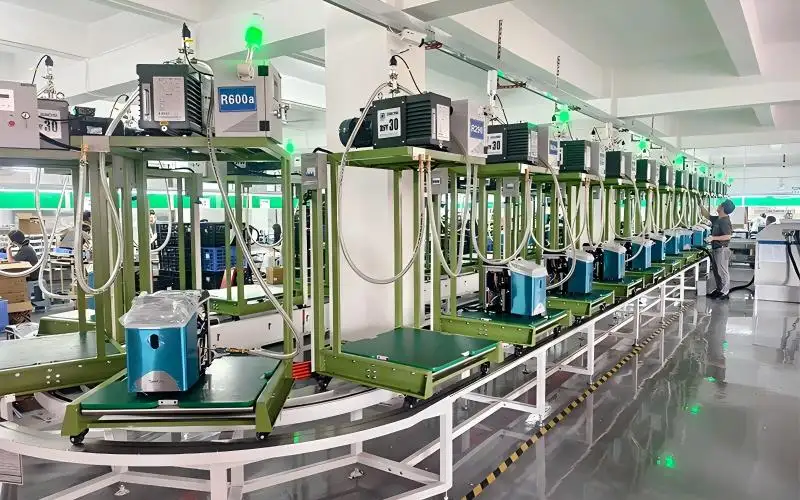
How We Test Every Ice Maker Before Packaging
2026-09-15
BY YUMYTH
A step-by-step look at refrigerant handling, cooling verification, leak detection, corrective action and electrical safety testing For an ice maker, reliable performance is determined long before the carton is sealed. ...
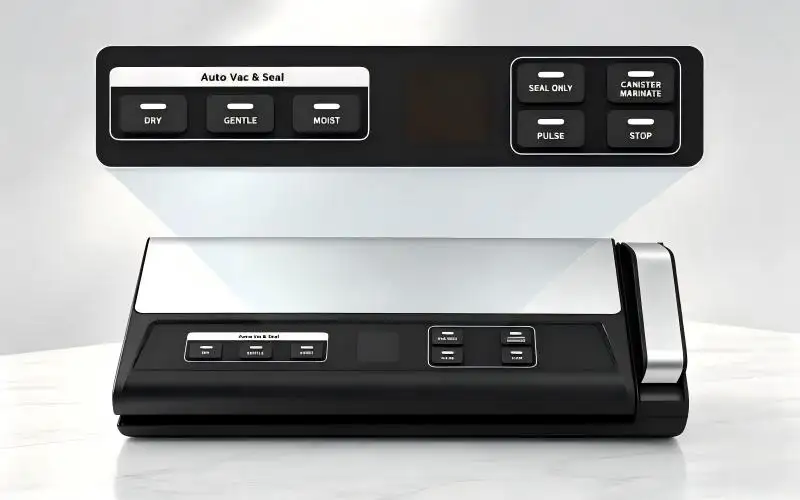
Guide for Brands Looking for a Reliable Vacuum Sealer OEM Supplier
2026-09-14
BY YUMYTH
When you are sourcing kitchen appliances for your retail brand, finding a dependable vacuum sealer OEM supplier is rarely just about getting the lowest unit price. It is about protecting ...
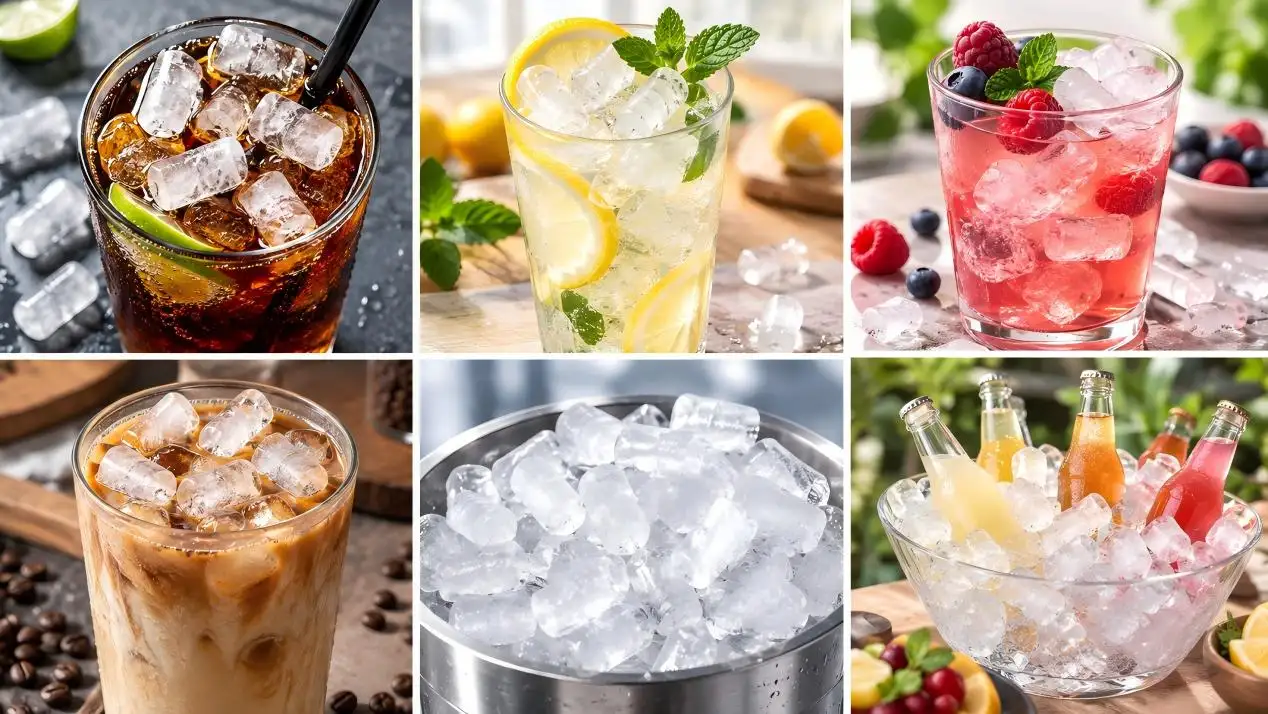
Why Ice Shape Matters: Understanding 10mm × 15mm Cylindrical Nugget Ice
2026-09-14
BY YUMYTH
More Than Ice Production — The Ice Itself Shapes the Consumer Experience When sourcing a nugget ice maker, buyers often focus first on production capacity, water tank size, ice basket ...

Ice Maker Sourcing Guide: How to Find the Right Factory
2026-09-10
BY YUMYTH
Sourcing an ice maker looks straightforward on paper. Find a supplier, agree on a price, place an order. But anyone who has actually done this knows the process is rarely ...