Sourcing the Next Bestseller: What Every Brand Needs to Know About the Household Ice Popsicle Machine Market
Share:
-

-

-

-


Copied
Share:
-
-
-
-
Copied
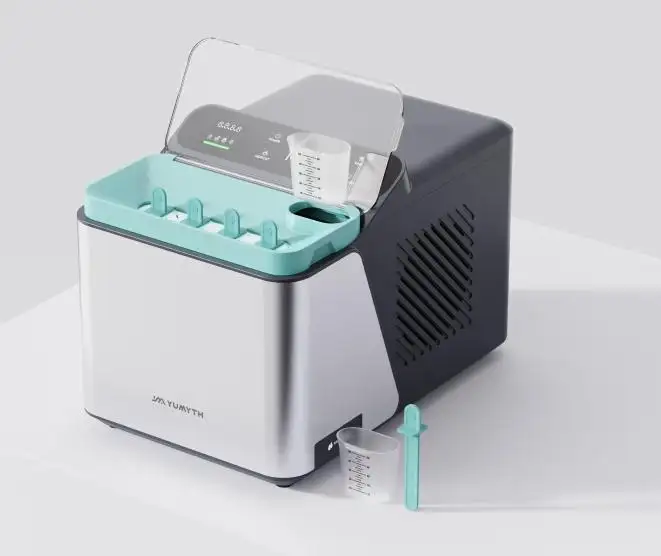
Walk down the small appliance aisle of any major department store, and you will see a massive shift happening. Consumers are no longer satisfied with single-purpose kitchen gadgets that sit in a cupboard for eleven months of the year. They want commercial-grade performance shrunk down to fit on a standard granite countertop. We saw this happen first with nugget ice machines, then with home slushie makers, and now the spotlight has turned to the household ice popsicle machine.
For appliance brands and private-label importers, this category is a goldmine—if you source the right hardware. Put your logo on a glorified plastic tray that takes six hours to freeze, and your Amazon review section will be a bloodbath within a month. Partner with an experienced OEM Ice Maker Supplier to build a true, fast-freeze electric ice popsicle maker, and you have a high-margin summer hit on your hands.
Before you request a quote or sign off on tooling, let’s look at what everyday users are actually complaining about on Google, and how factory-level engineering solves those headaches.
What Consumers Hate About Traditional Popsicle Makers (And How to Fix It)
If you want to build a product that dominates search rankings and retail shelves, you have to read the one-star reviews of your competitors. When people search for a household ice popsicle machine online, three major frustrations show up over and over again.
1. The "Flavorless Ice Block" Problem (Freeze Fractionation)
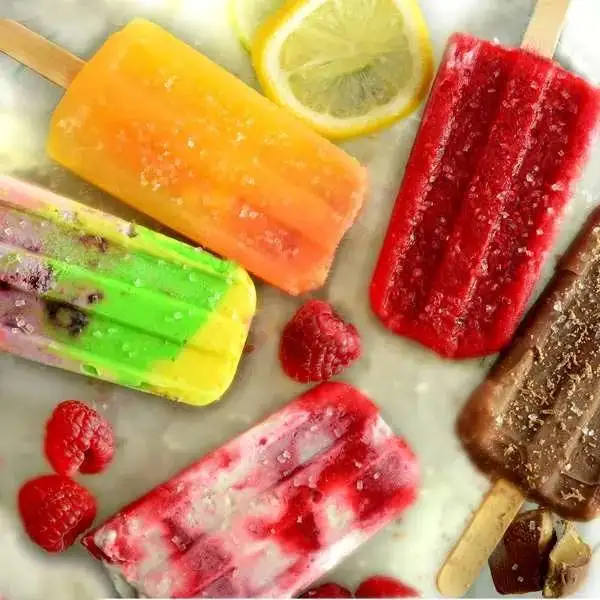
Go on any cooking forum and you will find parents asking the same question: "Why do my homemade popsicles taste like pure syrup on the outside, and flavorless hard ice in the middle?"
In food science, this is called freeze fractionation. When a liquid freezes too slowly—like inside a standard home freezer over eight hours—the water molecules form ice crystals first, pushing the sugar, fruit puree, and flavorings outward. By the time the pop is solid, the mixture has separated.
The Factory Fix: Speed is everything. A real electric ice popsicle machine uses an active cooling system (either a dedicated micro-compressor with R290 refrigerant or aclosed-loop conduction chamber) to drop temperatures rapidly. When you freeze a batch in 15 to 20 minutes instead of eight hours, the water and sugar freeze together simultaneously. The result is a soft, creamy, uniform bite—just like a store-bought novelty bar.
2. Waiting Overnight for a Single Batch
Nobody wants to pre-freeze a heavy gel canister for 24 hours just to make six popsicles for a kid's birthday party. Once that gel thaws after twenty minutes on the counter, the machine is useless until tomorrow.
The Factory Fix: As a brand, you need to transition your catalog toward self-cooling units. By leveraging the same compact compressor architecture used in our countertop ice makers, a modern household ice popsicle machine can run continuous back-to-back batches all afternoon. You plug it in, wait five minutes for the chamber to chill, pour the juice, and pull out finished pops twenty minutes later.
3. Broken Sticks and impossible Mold Release
We have all been there: you pull on the wooden stick, the stick slides right out, and the frozen pop stays cemented inside the plastic cup. Running warm tap water over a wired electrical appliance isn't just annoying—it is a massive safety hazard.
The Factory Fix: Smart ODM engineering solves this in two ways. First, ditch cheap polypropylene molds in favor of food-grade 304 stainless steel or anodized aluminum cups, which transfer thermal energy ten times faster. Second, integrate a 60-seconds "Warm Release" (defrost) button into the PCB control board. Just like a commercial ice cube harvest cycle, a brief pulse of warmth breaks the surface tension on the metal wall, letting the popsicle slide out effortlessly without melting the exterior.
Technical Specs to Demand from Your OEM Ice Maker Supplier
Sourcing a motorized or compressor-driven cooling appliance is worlds apart from sourcing a simple toaster. When you audit an OEM Ice Maker Supplier, skip the sales pitch and ask their R&D engineers about these specific components.
| Feature | Budget White-Label Spec | Premium OEM Spec |
| Cooling Method | Pre-Frozen salt | R290 compressor |
| Freezing Time | 45-60 Mins | 15-25 Mins |
| Mold Material | ABS or thin PP plastic | Food-grade 304 SUS |
| Release Mechanism | Warm water rinse | One-touch defrost |
| Operating Noise | N/A or Loud noise > 65 dB | Whisper-quiet < 52 dB |
| Certifications | Basic CE only | ETL,CE,CB,FDA |
Secondary Cooling Baths vs. Direct Conduction
Industrial commercial popsicle machines use a giant tank of liquid glycol or calcium chloride brine chilled to -25°C. While effective for making 200 pops an hour, liquid brine is a nightmare for home users—it spills, evaporates, and requires constant maintenance.
For the household market, your OEM Ice Maker Supplier should utilize dry direct-contact conduction. By wrapping copper evaporator coils directly around a precision-cast aluminum thermal block that hugs the stainless steel molds, you eliminate liquid coolants entirely. The homeowner gets commercial freezing speeds with zero messy maintenance.
Compliance, MOQs, and Getting to Market Fast
Importing refrigeration equipment into North America or the European Union requires airtight paperwork. Because an ice popsicle maker combines electrical compressors, pressurized refrigerant, and direct food contact, customs brokers will scrutinize your shipments.
Food-Contact Compliance: Every mold, silicone seal, and drip tray must pass FDA (for the US) and LFGB (for Europe, especially Germany) leach testing. Acidic fruit juices like lemon, lime, and pineapple will degrade cheap plastics over time.
Electrical & Refrigerant Safety: Ensure the factory builds on an ISO9001:2015 line and holds valid ETL (UL standard) and CE-LVD/EMC certificates. Using eco-friendly R290 refrigerant ensures your product won't get blocked by tightening environmental regulations.
Realistic MOQs: For private-label orders using existing public molds (custom Pantone housing colors, silk-screened logos, and custom retail gift boxes), a standard MOQ sits right around 500 units. If you want to engineer a completely bespoke outer shell or custom-shaped stainless steel freezing cups, expect an MOQ of 1000+ units to amortize the mold tooling costs.
Partner with a Proven Refrigeration Factory
Expanding your kitchen appliance line into frozen treats shouldn't feel like rolling the dice. When you work with an established OEM Ice Maker Supplier that already builds thousands of compressor-driven slush machines and countertop ice makers every month, the supply chain and thermal engineering are already proven.
Stop settling for slow, gimmicky freezer trays. Contact our engineering team today to request full spec sheets, discuss custom mold shapes for your next household ice popsicle machine, or arrange a functional sample for your test bench.
Related Articles

How Does a Slush Machine Work Without Ice?
2026-10-29
BY arafatshuvo509
Traditional blender's use of crushed ice to mix an ingredient into a thick, cold drink is replaced by today's slush makers which are able to achieve the same result using ...
Compressor Slush Machine: Cooling System and Mixing Technology
2026-10-29
BY arafatshuvo509
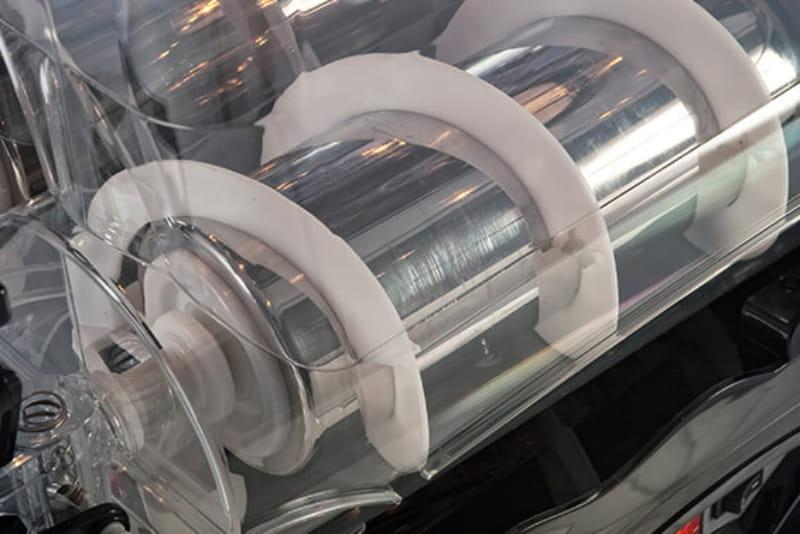
A compressor slush machine utilizes an integral refrigeration process with continuous mechanical agitation of the refrigerated liquid to produce semi-frozen (slushy) liquids by creating ice crystals directly from the liquid. ...
Ice Maker for Small Kitchen: Compact Design for Apartment Living
2026-10-27
BY YUMYTH
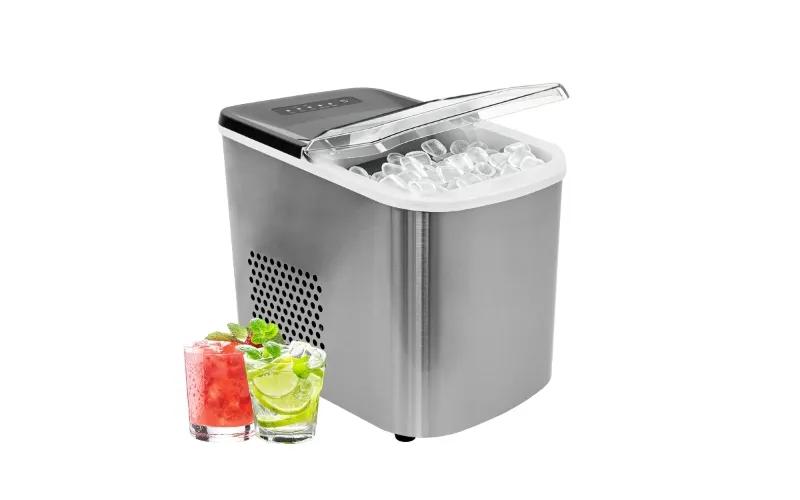
An ice maker that fits on an apartment countertop may still be difficult to operate. A wall can obstruct condenser airflow, an overhead cabinet can prevent the lid from opening ...
2026 Freestanding Ice Maker Trends: Clear Ice, R290, and Smart Controls
2026-10-27
BY YUMYTH
A freestanding ice maker that can produce 12.6 kg of ice in a day may still not meet expectations. Its ice may turn cloudy because of short freezing cycles, it ...