
Leveraging OEM Opportunities in Small Kitchen Appliances
Share:
-

-

-

-


Copied
Share:
-
-
-
-
Copied
The global demand for small kitchen appliances continues to grow, offering significant opportunities for brands seeking OEM partnerships.
Why OEM in Small Kitchen Appliances?
1. Meeting Consumer Demand for Innovation and Quality
The small kitchen appliance market is characterized by rapid innovation and diverse consumer needs. As consumers look for products that offer convenience, advanced features, and aesthetic appeal, the demand for high-quality, customizable appliances grows. OEM partnerships allow brands to collaborate with manufacturers who have the expertise and infrastructure to create cutting-edge products.
By partnering with OEM manufacturers, brands can access:
- Advanced Technology: OEM manufacturers bring innovative solutions like smart appliances, touch controls, energy-efficient designs, and more.
- Customization: Brands can tailor product features, colors, and functionalities to meet specific market demands.
- Quality Assurance: Established OEM manufacturers maintain strict quality control processes, ensuring that the products meet high standards of reliability and durability.
2. Cost-Efficiency and Scalability
OEM partnerships offer brands an opportunity to scale production without investing heavily in manufacturing infrastructure. By leveraging the capabilities of an experienced OEM partner, brands can reduce manufacturing costs, streamline production timelines, and avoid significant upfront capital expenditures. This makes it easier for businesses, from startups to established companies, to expand their product lines quickly.
Key advantages of OEM partnerships:
- Reduced Production Costs: OEM manufacturers can produce goods at scale, lowering the per-unit cost.
- Flexibility: Brands can adjust production volumes according to demand, allowing for efficient inventory management.
- Faster Time-to-Market: By relying on the existing expertise of the OEM partner, products can be developed and launched faster, keeping pace with market trends.
3. Access to Global Markets
In the increasingly globalized market, having access to international distribution channels is critical for success. OEM partnerships enable brands to tap into new markets, particularly those where the OEM manufacturer has established a strong presence or local expertise. Whether it’s entering emerging markets or expanding into well-established regions, OEM manufacturers help brands navigate international regulations and consumer preferences.
Benefits include:
- Global Reach: OEM partners often have networks and relationships in various international markets, which can help brands expand their reach.
- Regulatory Support: Navigating the complex regulatory landscape in different regions is made easier when partnering with an experienced OEM manufacturer familiar with local standards.
- Local Manufacturing: OEM manufacturers can also produce goods in specific regions to reduce shipping costs and lead times.
Key Considerations When Choosing an OEM Partner
While the potential for growth through OEM partnerships is significant, selecting the right partner is crucial for success. Here are some key factors to consider when evaluating potential OEM partners in the small kitchen appliance sector:
1. Reputation and Expertise
Choose an OEM partner with a proven track record in manufacturing small kitchen appliances. Their expertise in product design, technology, and consumer trends is invaluable. Research their previous work, certifications, and customer reviews to ensure they align with your brand’s values and quality standards.
2. Flexibility in Design and Customization
Every brand has unique product needs. A good OEM partner should be flexible in providing customization options for product features, packaging, and branding. The ability to modify designs and features according to market trends will be a competitive advantage.
3. Supply Chain and Production Capabilities
Efficiency in production is key to maintaining competitive pricing and meeting market demands. Ensure the OEM partner has a robust supply chain and production capacity that can handle your volume requirements. A reliable partner should also be able to meet deadlines and handle fluctuations in demand.
4. Compliance and Safety Standards
Small kitchen appliances must meet rigorous safety and quality standards. Ensure the OEM partner adheres to industry standards and certifications such as CE, UL, and RoHS. The partner should also be capable of providing comprehensive testing and quality control to guarantee product safety.
How to Maximize Your OEM Partnership
1. Clear Communication and Expectations
Effective communication is essential for a successful OEM partnership. From the beginning, set clear expectations regarding product design, timelines, quality, and costs. A transparent working relationship fosters trust and ensures both parties are aligned on goals and objectives.
2. Strong Product Development Collaboration
Collaborating closely with your OEM partner during the product development phase can lead to better design and functionality outcomes. Be involved in the design process to ensure that the final product aligns with your brand identity and customer needs.
3. Continuous Improvement and Innovation
Stay ahead of the competition by working with your OEM partner on continuous product improvements. As consumer trends shift, it’s crucial to keep your offerings fresh and innovative. Collaborate on incorporating new technologies or features into your appliances, such as smart connectivity, energy-saving functions, or environmentally friendly designs.
Emerging Trends in Small Kitchen Appliances
The small kitchen appliance market is continually evolving, driven by emerging trends and innovations. Staying on top of these trends is critical to keeping your product offerings relevant. Here are some key trends in the industry:
1. Smart Kitchen Appliances
As IoT (Internet of Things) technology continues to evolve, consumers are seeking appliances that can be controlled remotely via apps or voice commands. Smart kitchen appliances, like Wi-Fi-enabled coffee makers and refrigerators, are growing in popularity.
2. Energy Efficiency
Consumers are becoming more conscious of their environmental impact, driving demand for energy-efficient appliances. Offering products that use less energy or are designed with sustainable materials will resonate with eco-conscious customers.
3. Multi-Functionality
Small kitchen appliances that serve multiple functions are becoming increasingly popular. Machines that can blend, chop, mix, and even cook are appealing to consumers who value convenience and space-saving solutions.
4. Health-Conscious Appliances
As people focus more on healthy eating, appliances that enable healthier cooking and food preparation, such as air fryers, juicers, and blenders, are in high demand. Appliances that cater to specific diets or health trends (e.g., keto, gluten-free, plant-based) are particularly appealing.
Conclusion: Seizing OEM Opportunities in Small Kitchen Appliances
OEM partnerships offer significant opportunities for brands looking to enter or expand in the small kitchen appliance market. By selecting the right OEM partner, brands can benefit from reduced costs, increased production capacity, and faster time-to-market. Moreover, OEM collaborations provide the ability to scale quickly, access global markets, and stay at the forefront of innovation.
For brands in the small kitchen appliance sector, leveraging OEM opportunities is a smart way to meet the growing demand for high-quality, functional products. By choosing the right partner and aligning with current market trends, you can position your brand for long-term success in this rapidly expanding industry.
Contact Us
Related Articles
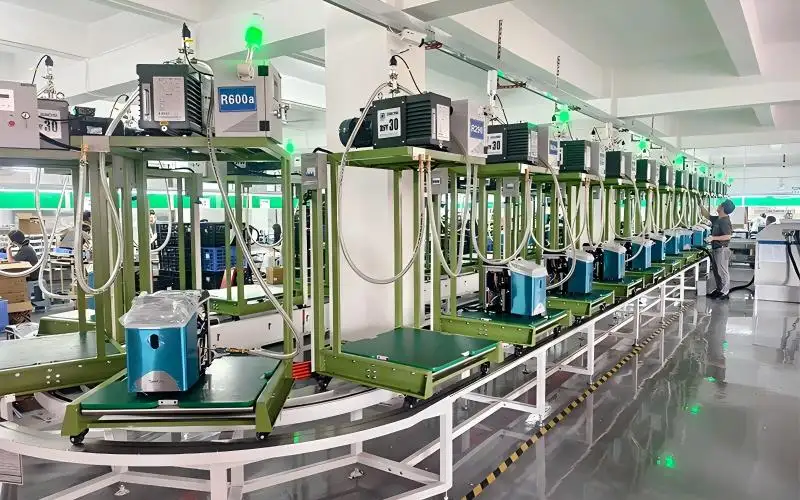
How We Test Every Ice Maker Before Packaging
2026-09-15
BY YUMYTH
A step-by-step look at refrigerant handling, cooling verification, leak detection, corrective action and electrical safety testing For an ice maker, reliable performance is determined long before the carton is sealed. ...
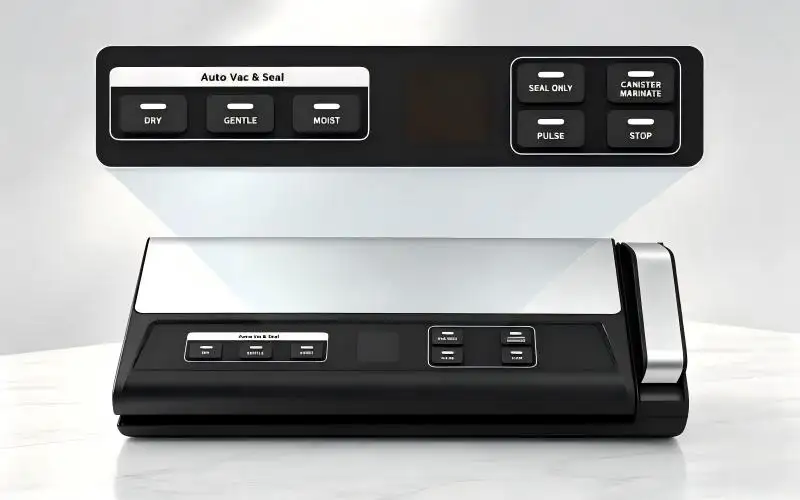
Guide for Brands Looking for a Reliable Vacuum Sealer OEM Supplier
2026-09-14
BY YUMYTH
When you are sourcing kitchen appliances for your retail brand, finding a dependable vacuum sealer OEM supplier is rarely just about getting the lowest unit price. It is about protecting ...

Why Ice Shape Matters: Understanding 10mm × 15mm Cylindrical Nugget Ice
2026-09-14
BY YUMYTH
More Than Ice Production — The Ice Itself Shapes the Consumer Experience When sourcing a nugget ice maker, buyers often focus first on production capacity, water tank size, ice basket ...

Ice Maker Sourcing Guide: How to Find the Right Factory
2026-09-10
BY YUMYTH
Sourcing an ice maker looks straightforward on paper. Find a supplier, agree on a price, place an order. But anyone who has actually done this knows the process is rarely ...