How Long Does OEM Slush Machine Development Take?
Share:
-

-

-

-


Copied

Share:
-
-
-
-
Copied
The development of a slush machine for an OEM can take weeks to months or even more than a year depending on whether it is based on a product platform or is a new product.
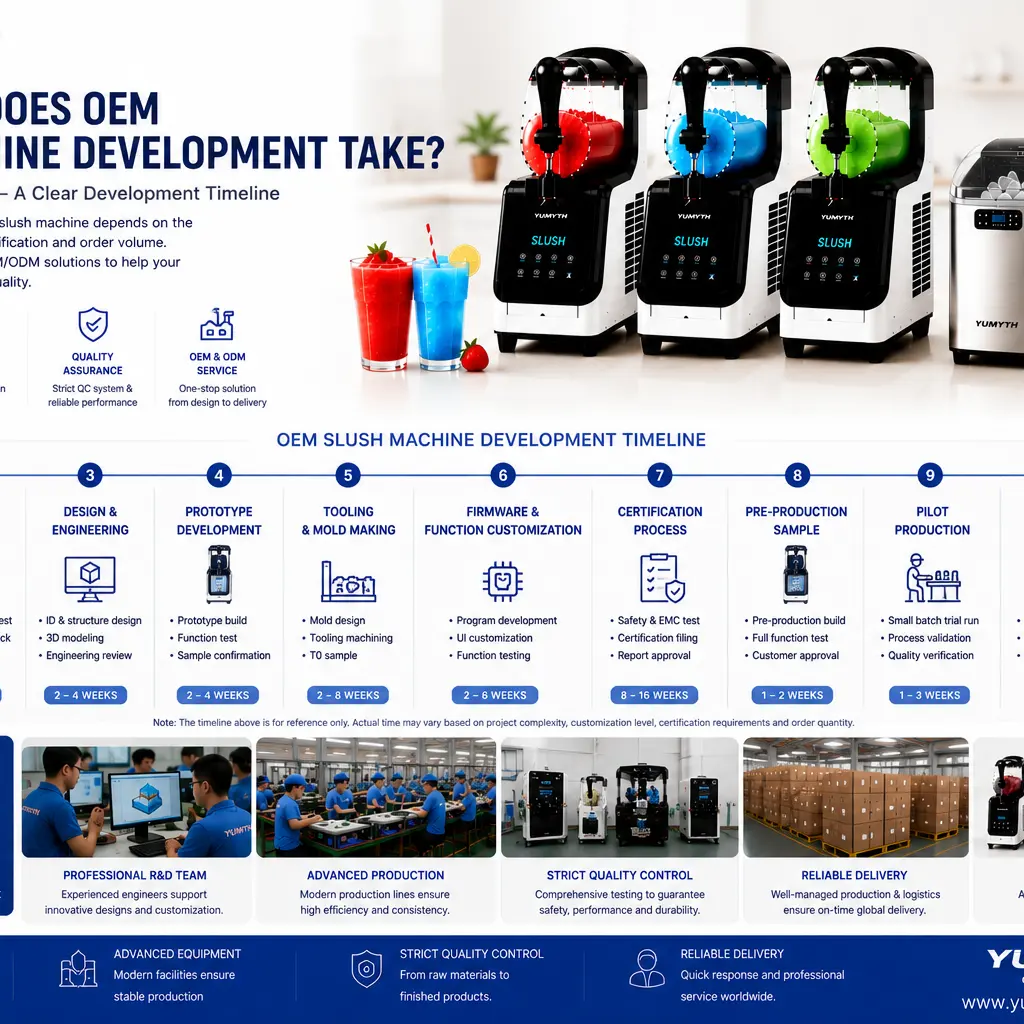
A simple project that uses a private label certified ODM slush machine can have the artwork confirmed and be in production within 6-10 weeks. A new certification, firmware, structural part or injection mold will take longer. It could take as long as six to twelve months for a totally new OEM machine with original industrial design, refrigeration engineering, tooling, electronics and certification.
The most significant is not the amount of logos or colors being customized. It is the extent to which the changes asked for will impact the machine's construction, refrigation unit, electronic controls, safety features, and production.
While the new ODM platforms are still being developed, the existing ones offer the shortest path.
The quickest route of development is to choose a current slush machine platform which has gone through engineering, testing, and regular production.
The buyer can customize as follows:
- * Brand logo;
- * Product labels;
- * Housing colors;
- * Control-panel artwork;
- * Retail packaging;
- * User manual;
- Plug-in & voltage version;
- * Selected program names.
YUMYTH's OEM/ODM service is said to include product design, prototyping, production and quality assurance. The slush machine platforms used for it are also there for appearance, function, compliance and packaging customization.
If it is a normal ODM project with the proven platform, the entire order process will take about 45 to 75 days, from pre-production approval to manufacturing and overseas sea transportation. If buyers are talking about the factory development time only, they should not include the extra time that it takes to ship.
To confirm the requirements may take 1 to 2 weeks.
There must always be a product brief guiding development.
The buyer should specify:
- * Target market;
- * Required capacity;
- * Voltage and plug;
- * Intended beverages;
- * Retail price target;
- * Certification requirements;
- * Branding scope;
- * Packaging format;
- * Estimated order volume;
- * Target launch date.
Repeatedly quotations, artwork revisions and engineering discussions because of incomplete requirements. Changeover from a US version to a European version after sampling can require a different compressor, cord, plug, rating label, documentation package, or certification review.
Requirement confirmation can be achieved in a few working days by a simple project. If it is a project that includes multiple markets, features, or unclear goals for performance, it will take 2 weeks or more.
The evaluation of the sample will take 2-4 weeks.
The buyer should try an existing sample of the product before approving the customization.
YUMYTH’s published planning guidance suggests that suppliers should be allowed 2 – 4 weeks for evaluation and sample testing. The sample should not just be demonstrated one time but used repeatedly through the freezing, dispensing, cleaning and reassembling process.
Samples should be tested for the following:
- * Freeze time;
- * Beverage texture;
- * Noise;
- * Leakage;
- * Auger behavior;
- * Cleaning access;
- * Control-panel operation;
- * Dispensing performance;
- * Component fit;
- * Recipe compatibility.
Issues that are identified during this phase are typically more easily and less cost effectively addressed than issues identified after the completion of a branded production batch.
Please allow 2-3 weeks for Branding and Pre-Production Samples.
Once the basic platform is once approved, the factory can prepare brand-specific materials.
This step can involve:
- * Logo placement;
- * Control-panel graphics;
- * Rating labels;
- * Housing color;
- * Carton artwork;
- * User manual;
- * Barcode and shipping marks.
YUMYTH's private-label guidance gives an approximate time of two-three weeks for artwork approval and artwork preparation for pre-production sample.
The schedule is very much dependent on customer response time. Delays are frequently caused by missing logo files, frequent changes to translations, lack of colour confirmation, or by carton contents not being legally and marketing approved.
The pre-production sample should be as close as possible to the appearance, firmware, labels, accessories and packaging of the mass production.
Firmware Customization Can Take A couple of weeks.
When the control logic in the program doesn't change, basic changes to the names and icon of programs can be done rather quickly.
More complex requests can include:
- * New drink programs;
- * Revised temperature targets;
- * Texture settings;
- * Cleaning cycles;
- * Auger reversal;
- * Error messages;
- * Child-lock behavior;
- * Display language.
All of these changes necessitate software development, programming, functional testing, version control and production verification.
There is an estimated 2-6 weeks of additional time if the firmware needs to be limitedly modified. Several rounds of prototypes may be necessary for deeper development of a control because the software influences a variety of compressor functions, beverage temperature, auger load, holding performance, and protection functions.
Ideally, the buyer should freeze the firmware version prior to the certification and pilot production. Changes to the software may need to be repeated for performance or safety testing at the end.
New Structural Parts Add to the timeline.Add to the timeline with new Structural Parts.
If the new tank, lid, auger, valve, dispensing handle, drip tray, control panel or housing needs to be approved, it must be more than just a visual check.
The engineering process may include:
- 1. Industrial design;
- 2. Three-dimensional modeling;
- 3. Structural engineering;
- 4. Prototype production;
- 5. Assembly review;
- 6. Mold design;
- 7. Tool manufacturing;
- 8. Trial molding;
- 9. Tool corrections;
- 10. Final part approval.
YUMYTH's published OEM process covers concept development, exterior design, structural engineering, mold tooling, electronic development, prototype verification, compliance testing, certification, packaging, pilot production and mass production.
A project with one relatively simple new molded part can extend your lead time by 6-10 weeks. Several coordinated molds or a completely new exterior design will take between 3 to 5 months before the production representative samples are available.
The clarity, warping, dimensions, leakage and alignment of the auger must be controlled by adding extra correction rounds to transparent tanks and sealing components.
All refrigeration changes need to be validated for the system.
Replacing the compressor, evaporator, condenser, fan, changing refrigerant charge or airflow changes the project to a more in-depth engineering program.
The refrigeration system should be tested for:
- * Cooling capacity;
- * Freeze time;
- * High-ambient operation;
- * Compressor temperature;
- * Refrigerant charge;
- * Noise and vibration;
- * Power consumption;
- * Beverage texture;
- * Long-term reliability.
Refrigeration changes might also be required for a larger tank since the refrigeration system should have to remove more heat while still providing a desirable preparation time.
Two to four months depends on the development of the refrigeration, especially if multiple engineering samples are needed. A completely new refrigeration architecture may become part of a six-to-twelve-month full OEM program.
After 8-16 weeks, certification will be available.
One of the most important schedule variables is certification.
If the project can be implemented on an existing certified platform with little or no changes in safety-related elements, the project will need only documentation review, artwork review or model extension.
If certification is needed in line with the buyer's brand or if there has been a significant change to the construction, YUMYTH's published planning guidance suggests 8-16 extra weeks.
The following changes in the regulations may impact certification:
- * New compressor;
- * Revised refrigerant system;
- * Different PCB;
- * New motor;
- * Safety-related firmware;
- * Housing changes;
- * Ventilation changes;
- * New voltage configuration;
- * Different food-contact materials.
If there are any laboratory failures, the factory will have to investigate the problem, adjust the sample, finish the internal verification, and re-submit the corrected construction for laboratory retesting, so as to extend the schedule.
Pilot Production = Usually 1-3 weeks.
Once the design, tooling, firmware and documentation have been approved, a pilot run should be done in the factory.
The pilot batch is used to determine if the product is repeatable by using the following:
- * Final tooling;
- * Approved components;
- * Production operators;
- * Standard work instructions;
- * Final test equipment;
- * Production packaging.
Pilot-run production is indeed a step prior to full mass production and is included as a separate step in the published development process of YUMYTH.
Pilot units should be checked against the approved golden sample in terms of appearance, dimensions, speed of freezing, noise, leakage, firmware, labels and packaging.
It is advisable to not start mass production until pilot issues are documented, corrected, and verified.
Three to five weeks is the time it takes for mass production.
If the materials are already known for an existing platform, YUMYTH's published planning range is about 3-5 weeks for production runs.
The actual production time is dependent on:
- * Order quantity;
- * Component availability;
- * Number of colors;
- * Electrical versions;
- * Packaging versions;
- * Inspection requirements;
- * Seasonal factory loading.
Production time must consist of not only the time spent on the assembly line, but also time spent on incoming inspection, assembly, refrigeration processing, functional testing, final inspection, packing and release for shipment.
The following is a practical timeline, by project type.
A realistic planning guide is:
Basic private label on an existing platform:
About 45-75 days after ordering to receiving the warehouse receipt with no need for new certification.
ODM project with custom color, panel, packaging and limited firmware:
About 2-4 months.
Three to five months (depending on laboratory and test results) for project that requires a new brand specific certification.
Structural customization of new injection molds: about 4-7 months.
Complete OEM appliance, new refrigeration, electronics, tooling and certification: ‚àà 6 to 12 months.
The ranges are indicative and not a guaranteed lead time. Only a detailed schedule should be issued once the manufacturer has had a chance to review the final specification.
How to accelerate development for Buyers
The best methods to shorten the time are to choose a reliable platform, to determine one main market, to offer all artwork, to stick to the initial project for only essential changes, and to approve samples in a timely fashion.
Capacity, materials, firmware and certification markets should not be changed after tooling or lab testing has started.
A phased launch is a common method of launch. The brand can take an existing ODM machine, validate the market need, and add more layers of structural and/or functional customization in a subsequent generation of the product.
Conclusion
The development of an OEM slush machine ranges from about 6 weeks for simple branding to 12 months for a new product.
High speed is achieved by projects running on an ODM platform that is proven, tested and certified. Development time is slowly extended through custom firmware, structural changes, new moulds, refrigeration changes and market-specific certification.
Requirements confirmation, sample testing, pre-production approval, engineering and tooling, certification approval, pre-production, mass production, inspection, and shipping are among the realistic activities that should be included in a schedule.
Clearly defining the project and freezing key project parameters early will minimize delays and streamline the transition from product concept to reliable mass production, without the expense of unnecessary changes.
Related Articles
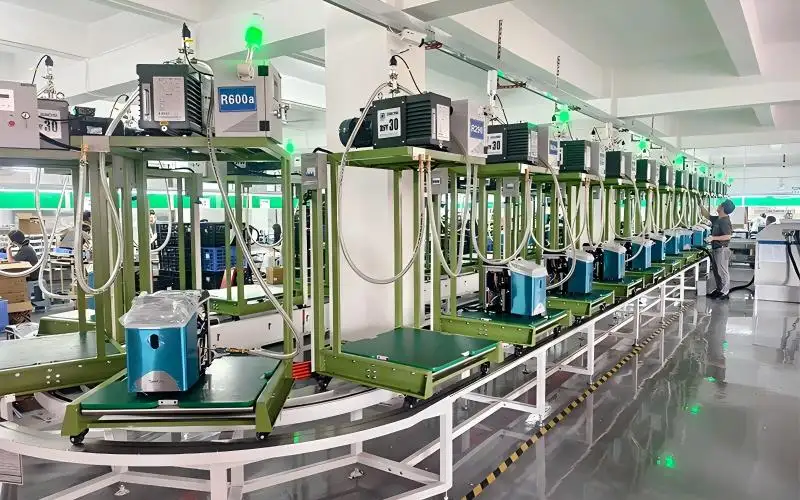
How We Test Every Ice Maker Before Packaging
2026-09-15
BY YUMYTH
A step-by-step look at refrigerant handling, cooling verification, leak detection, corrective action and electrical safety testing For an ice maker, reliable performance is determined long before the carton is sealed. ...
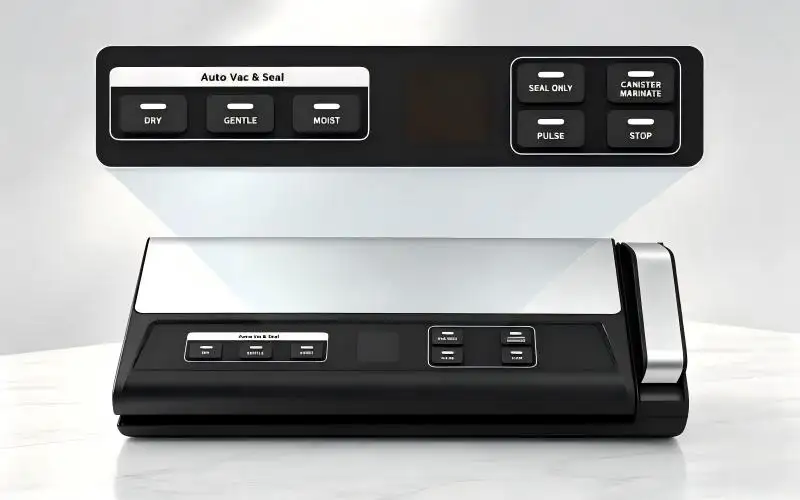
Guide for Brands Looking for a Reliable Vacuum Sealer OEM Supplier
2026-09-14
BY YUMYTH
When you are sourcing kitchen appliances for your retail brand, finding a dependable vacuum sealer OEM supplier is rarely just about getting the lowest unit price. It is about protecting ...
Why Ice Shape Matters: Understanding 10mm × 15mm Cylindrical Nugget Ice
2026-09-14
BY YUMYTH
More Than Ice Production — The Ice Itself Shapes the Consumer Experience When sourcing a nugget ice maker, buyers often focus first on production capacity, water tank size, ice basket ...

Ice Maker Sourcing Guide: How to Find the Right Factory
2026-09-10
BY YUMYTH
Sourcing an ice maker looks straightforward on paper. Find a supplier, agree on a price, place an order. But anyone who has actually done this knows the process is rarely ...