
Slushie Machine for Smoothies: Can It Replace Your Blender?
Share:
-

-

-

-


Copied
Share:
-
-
-
-
Copied
A slushie machine for smoothies is a question more people are asking — and for good reason. If you already own a slushie machine, using it for daily smoothies makes intuitive sense. But the answer isn't as straightforward as it seems, and understanding the difference between these two appliances will save you frustration and help you get the best from both. This guide covers everything you need to know about using a slushie machine for smoothies, when it works brilliantly, and when you need a different tool.
Can You Actually Use a Slushie Machine for Smoothies?
Yes — with important limitations. A slushie machine can produce smooth, frozen fruit drinks that closely resemble thin smoothies, especially when you use pre-blended fruit purées or juice bases. However, it cannot process whole frozen fruit, leafy greens, protein powders, or fibrous ingredients the way a blender does.
Think of it this way: a slushie machine chills and agitates liquid. A blender pulverizes solids. If your smoothie recipe starts as a liquid or purée, a slushie machine produces an excellent frozen result. If it starts with whole ingredients, you need a blender first.
The workaround many people use — and it works very well — is blending ingredients first, then pouring the smooth liquid base into the slushie machine for the final freeze and texture step. The result is a frozen smoothie with a far more consistent, silky texture than a blender alone can produce.
What Is the Difference Between a Smoothie and a Slushie?
A smoothie is a thick, nutrient-dense drink made by blending whole or frozen ingredients — fruit, vegetables, dairy, protein powders, seeds. A slushie is a semi-frozen beverage made by chilling and agitating a liquid mix. The key difference is texture, density, and how each is made.
| Feature | Smoothie | Slushie |
|---|---|---|
| Primary method | Blending solids | Chilling liquid |
| Texture | Thick, creamy | Light, icy, fine crystal |
| Ingredients | Whole fruit, veg, protein | Juice, purée, syrup |
| Nutrient density | High | Moderate |
| Machine required | Blender | Slushie machine |
| Calorie range | 200–500 per serving | 80–200 per serving |
| Best for | Meals, nutrition | Refreshment, hydration |
A frozen smoothie made through a slushie machine sits somewhere between these two — lighter than a thick smoothie but more flavorful and nutritious than a basic slushie.
What Types of Smoothies Work Best in a Slushie Machine?
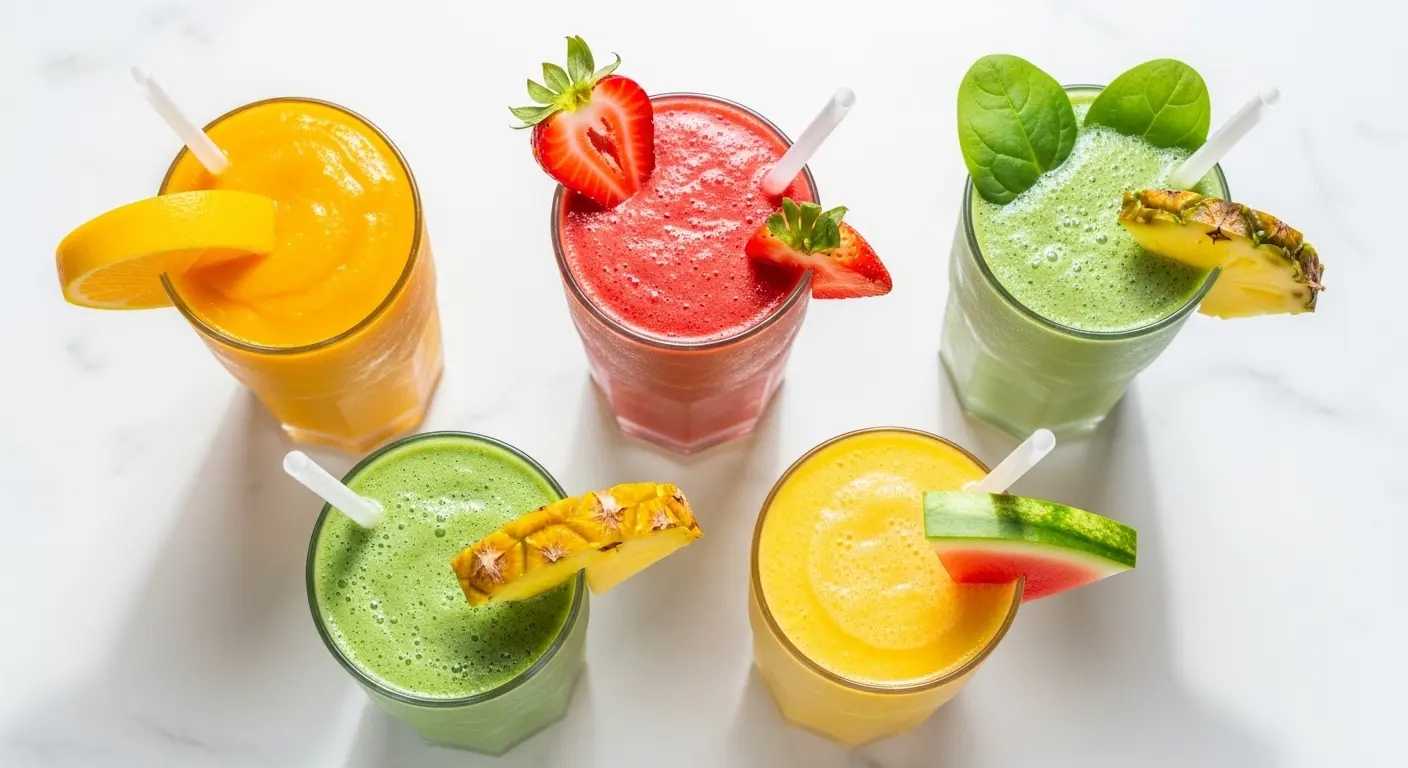
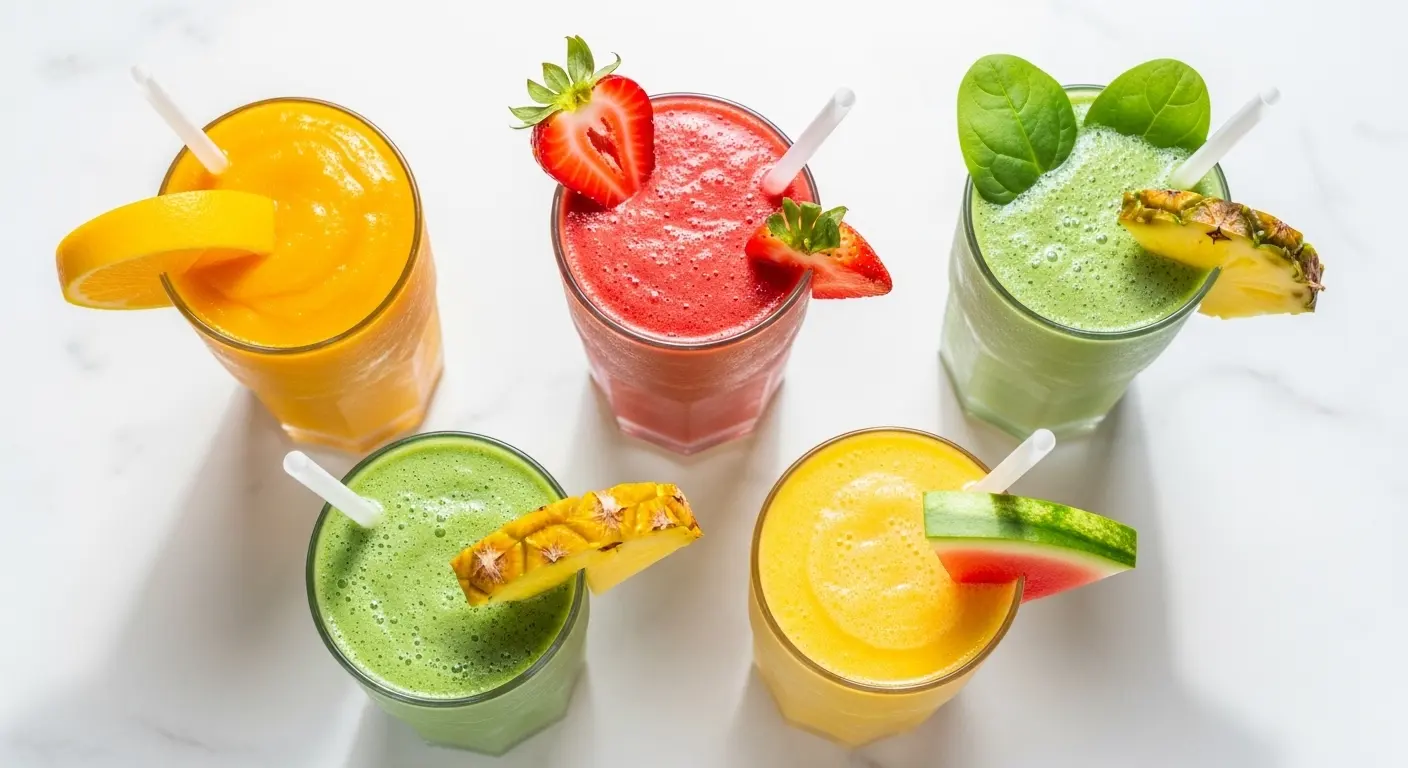
Fruit-based, juice-forward smoothies work best in a slushie machine. The ideal candidates are already liquid or semi-liquid after basic blending — mango, watermelon, strawberry, peach, and citrus-based recipes all translate beautifully into the machine's freeze cycle.
Smoothie types that work well:
- Tropical fruit smoothies — Mango, pineapple, passion fruit (juice naturally; blend briefly if needed)
- Berry lemonade smoothies — Strawberry, raspberry, blueberry blended with lemon juice
- Watermelon mint — Naturally high water content, freezes perfectly
- Citrus green smoothies — Orange juice base with spinach blended smooth and strained
- Peach ginger — Stone fruit purée with ginger syrup and apple juice
Smoothie types that don't work directly in a slushie machine:
- Thick banana-based smoothies — Too dense for the machine's paddle mechanism
- Avocado or nut butter smoothies — Fat content prevents proper freezing
- Protein powder smoothies — Powder can clump around the paddle
- Whole leafy green smoothies — Fibrous material clogs the machine
The rule is simple: if it pours easily, the machine handles it. If it requires a spoon to move, use a blender first.
How Do You Make a Frozen Smoothie in a Slushie Machine?
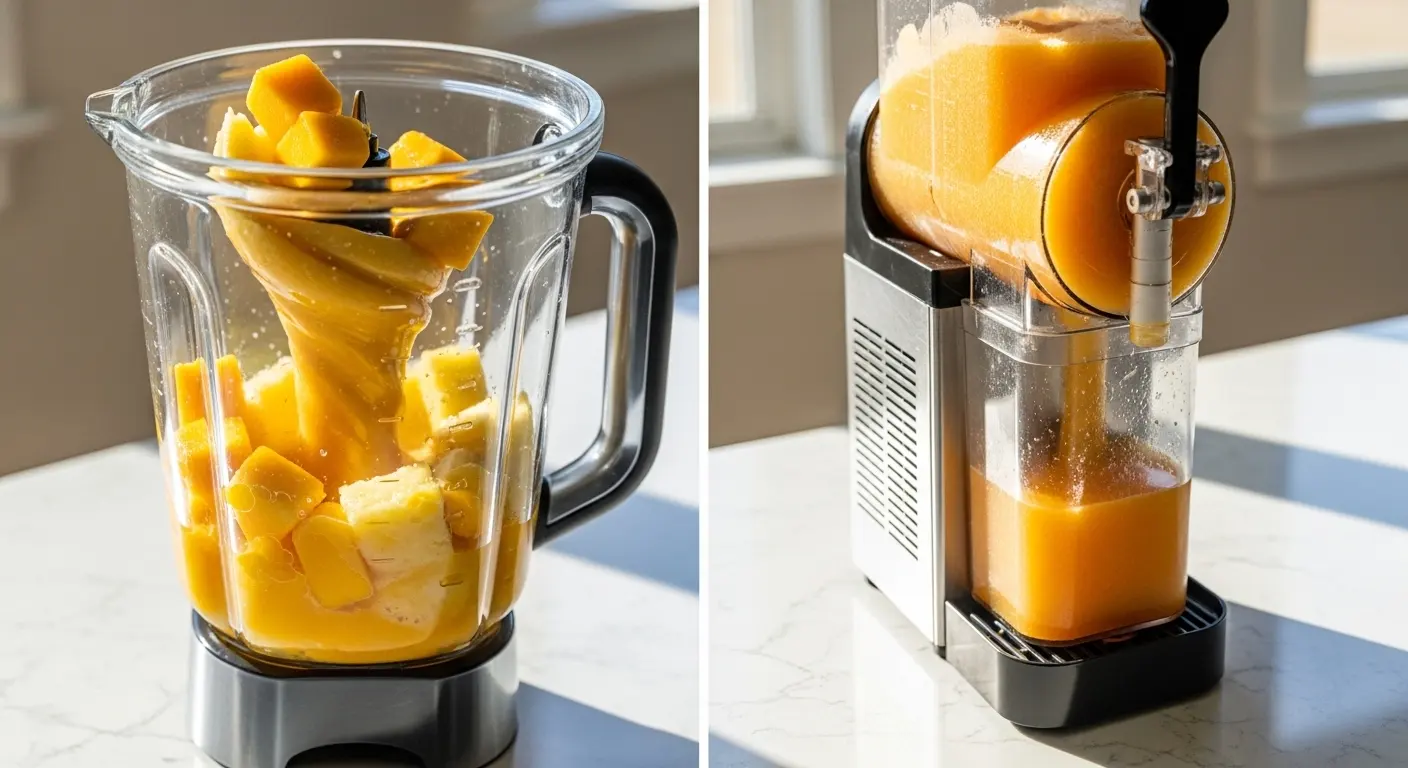
Making a frozen smoothie in a slushie machine requires one extra step compared to a standard slushie: blend your ingredients first to achieve a smooth, pourable liquid, then pour into the machine for the freeze cycle. This two-step process delivers the best of both worlds — full nutrition and perfect frozen texture.
Step-by-step frozen smoothie process:
- Blend your smoothie ingredients until completely smooth — no chunks or fibrous pieces
- Strain if needed — Berry or green smoothies benefit from straining out seeds and pulp
- Taste and adjust — Add simple syrup if under 10% sugar; the mix needs sweetness to freeze properly
- Refrigerate for 30–60 minutes — A cold mix freezes 30–40% faster in the machine
- Pour into the slushie machine — Fill to the max-fill line, never above
- Run for 20–35 minutes — Until you reach your preferred frozen smoothie consistency
- Serve immediately — Pour into chilled glasses and garnishTip: Add a tablespoon of simple syrup or honey to smoothie mixes that feel too tart or thin. Sugar content of 10–12% is the sweet spot for slushie machines — it prevents over-freezing and gives you that smooth, scoopable frozen texture rather than a solid ice block.
What Is the Best Frozen Smoothie Recipe for a Slushie Machine?
The best frozen smoothie recipes for slushie machines are tropical and citrus-forward, with a naturally high liquid content and 10–12% natural sugar. These freeze evenly, taste exceptional, and require minimal preparation beyond a quick blend.
Frozen Mango Pineapple Smoothie (serves 6–8)
- 400ml mango purée (fresh or frozen mango blended)
- 300ml pineapple juice
- 150ml coconut water
- 100ml simple syrup
- 200ml cold water
- Squeeze of lime
Blend until completely smooth, refrigerate 1 hour, pour into machine, freeze 25–30 minutes.
Frozen Strawberry Banana Smoothie (serves 6–8)
- 500ml strawberry purée (blended fresh strawberries, strained)
- 200ml orange juice
- 100ml simple syrup
- 400ml cold water
- Note: use ripe banana sparingly — over 10% banana makes the mix too thick
Frozen Green Smoothie Slush (serves 6–8)
- 300ml spinach-apple juice (blend 2 handfuls spinach with 400ml apple juice, strain completely)
- 200ml cucumber juice
- 150ml lime juice
- 100ml honey syrup
- 400ml cold water
This one surprises people. Strained green smoothie liquid freezes beautifully — all the nutrition, none of the chunky texture.
Slushie Machine vs. Blender for Smoothies: Which Should You Use?
For whole-ingredient smoothies, a blender is non-negotiable. For frozen, icy smoothie-style drinks you want to serve to a group or enjoy over time without melting, a slushie machine is superior. The two tools complement each other rather than compete.
| Factor | Slushie Machine | Blender |
|---|---|---|
| Whole fruit processing | No | Yes |
| Frozen texture quality | Superior | Good |
| Batch size | 1–4 liters continuous | 1–2 liters per batch |
| Hands-free operation | Yes | No |
| Noise level | Low | High (80–90 dB) |
| Consistency across batches | Uniform | Variable |
| Protein powder compatibility | No | Yes |
| Best use | Frozen fruit smoothie drinks | Nutrient-dense meal smoothies |
The smartest setup combines both: use a blender to process and smooth your ingredients, then finish in the slushie machine for a perfectly frozen, consistent texture every time.
For a deeper comparison of frozen appliance types and what each does best, the ice cream vs. slush machines guide on Yumyth covers the engineering differences in clear, practical terms.
Can a Slushie Machine Make Protein Smoothies?
A slushie machine cannot process protein powder directly. Powder clumps around the paddle and creates an uneven, gritty texture. However, you can make a protein smoothie base in a blender, fully dissolve the protein powder into the liquid, then pour the smooth result into the slushie machine for freezing.
Protein frozen smoothie method:
- Blend protein powder with juice or milk until fully dissolved — no lumps
- Add fruit purée and blend again until completely smooth
- Strain through a fine mesh sieve
- Ensure the mix is pourable and lump-free
- Pour into the slushie machine and freeze normally
This works well with whey protein (which dissolves easily) and plant-based protein powders that blend smooth. Casein protein tends to thicken too much and may clog the paddle — avoid it for this method.
What Sugar Content Does a Smoothie Need to Freeze Properly?
A smoothie mix needs 10–15% natural or added sugar content to freeze properly in a slushie machine. Pure fruit blends often hit this naturally — mangoes run 14–17% natural sugar, strawberries about 7%. Low-sugar green smoothies may need a small amount of added honey or simple syrup to freeze correctly.
Natural sugar content of common smoothie fruits:
| Fruit | Natural Sugar % | Freeze Suitability |
|---|---|---|
| Mango | 14–17% | Excellent — no adjustment needed |
| Pineapple | 10–12% | Excellent |
| Watermelon | 6–8% | Add 2–3 tbsp simple syrup |
| Strawberry | 6–8% | Add 2 tbsp simple syrup |
| Peach | 8–10% | Usually fine as-is |
| Apple | 10–12% | Excellent |
| Spinach/cucumber | 1–3% | Needs significant sweetener addition |
Tip: Use a simple refractometer (a cheap kitchen tool available for under $20) to test your smoothie mix's Brix level before pouring it into the machine. A reading of 10–14 Brix is your target zone for perfect slush texture every time.
How Does a Slushie Machine Improve Smoothie Texture Compared to a Blender?
A slushie machine produces finer, more uniform ice crystals than a blender. Blenders create ice shards of varying sizes — some large and crunchy, some fine. Slushie machines form micro-crystals through continuous gentle agitation at controlled temperature, giving you a consistently smooth, almost creamy frozen texture.
This matters most when serving frozen smoothies to guests. A blender smoothie separates within 10–15 minutes of sitting. A slushie machine-processed frozen smoothie holds its texture for 45–60 minutes in the glass — making it far more practical for parties, outdoor events, or leisurely sipping.
What Is the Best Slushie Machine for Smoothie-Style Drinks?
The best slushie machines for smoothie use have durable paddles, easy-to-clean smooth interiors, and sufficient capacity for your typical batch size. Since smoothie bases can be slightly denser than pure juice mixes, a machine with a robust motor handles the load better.
| Machine | Capacity | Best For | Paddle Durability | Price Range |
|---|---|---|---|---|
| Yumyth Mini Slush Machine | ~0.9L | Personal daily smoothies | Good | Budget |
| Yumyth Slush & Ice Cream Maker | ~1.5L | Family smoothie batches | Good | Mid-range |
| VEVOR Dual-Tank Slush Machine | 2×3.5L | Large groups | Excellent | $250–$350 |
| Nostalgia Slushie Maker | 1L | Casual home use | Moderate | Under $60 |
For daily personal use, the Yumyth Mini Slush Machine is a practical, compact choice — easy to store, quick to set up, and ideal for single or double servings of a frozen smoothie drink.
If you want a machine that also handles soft-serve ice cream alongside frozen smoothies, the Yumyth Slush and Ice Cream Maker gives you genuine versatility in one appliance.
How Do You Prep and Store Smoothie Mixes for a Slushie Machine?
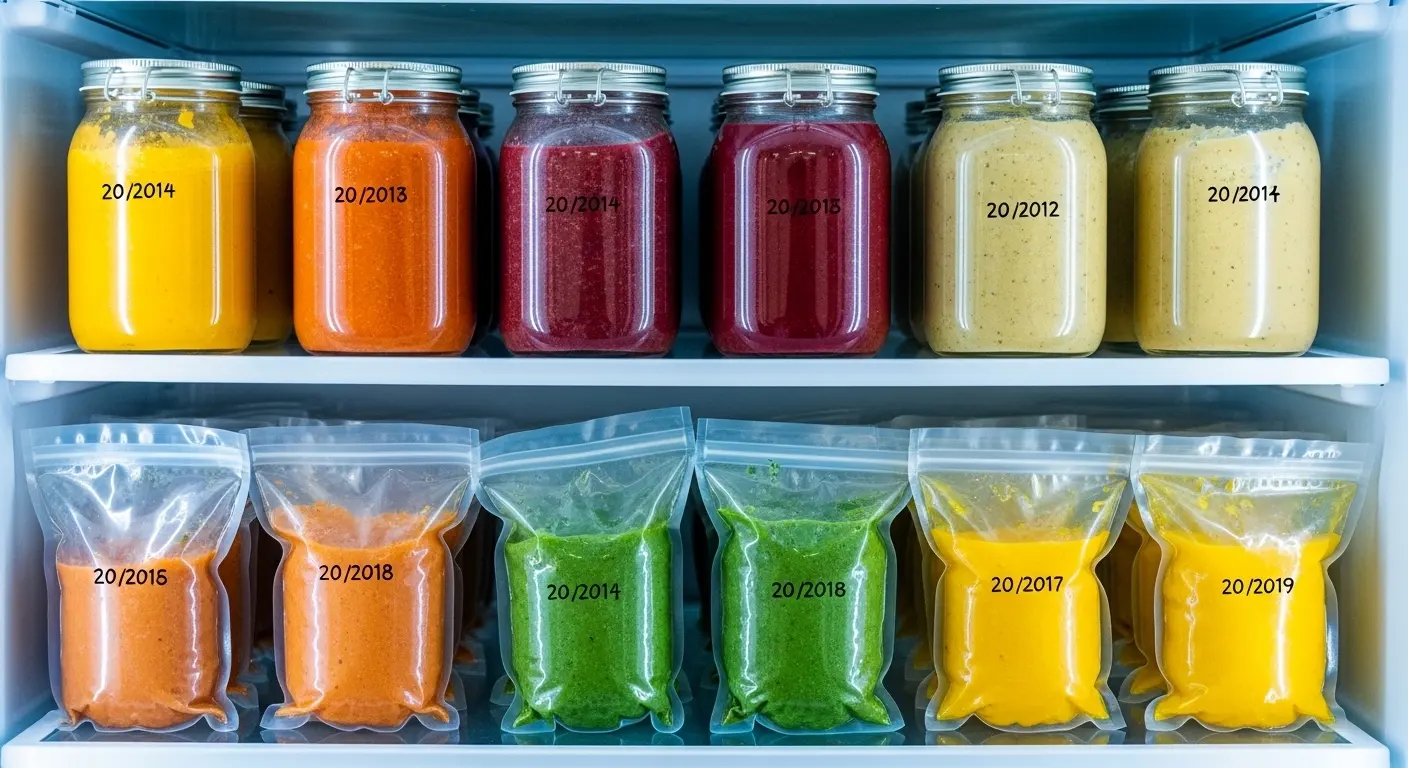
Batch-prepping smoothie mixes dramatically simplifies your daily routine. Blend a large batch, portion into airtight containers, and refrigerate or freeze until needed. A pre-chilled mix pours straight into the machine and reaches slush consistency 30–40% faster than a room-temperature mix.
Smoothie mix prep and storage guide:
- Refrigerator storage — Pre-blended smoothie mixes keep for 2–3 days in sealed containers
- Freezer storage — Freeze in portion-sized bags or ice cube trays; thaw in the fridge overnight before use
- Flavor preservation — Citrus-based mixes hold flavor best; berry mixes oxidize faster
For serious meal preppers, Yumyth vacuum sealers extend smoothie mix freshness to 5–7 days in the fridge by removing oxidizing air from storage containers. This is particularly valuable for green smoothie bases, which brown quickly when exposed to air.
Does Using a Slushie Machine for Smoothies Affect Nutritional Value?
No — using a slushie machine does not degrade the nutritional content of your smoothie. The machine only chills and agitates the mix; it doesn't apply heat or high-speed friction that could break down heat-sensitive vitamins. In fact, the gentle cold process better preserves vitamin C and antioxidants compared to high-speed blending, which generates slight heat.
The one nutritional consideration: if you strain your smoothie before adding it to the machine (which improves texture), you remove some dietary fiber. For smoothies where fiber content matters, accept a slightly thicker final texture rather than straining.
What Are the Latest Trends in Frozen Smoothie Drinks for 2026?
Frozen smoothie drinks are trending toward functional ingredients, adaptogenic additions, and global flavor profiles. Consumers want drinks that taste exceptional and deliver specific wellness benefits.
Top frozen smoothie trends in 2026:
- Adaptogen blends — Ashwagandha, maca, and lion's mane added to tropical fruit bases
- Probiotic smoothie slushies — Kefir or kombucha-based frozen drinks
- Turmeric mango — Anti-inflammatory golden smoothie in frozen form
- Matcha pineapple — Earthy, caffeinated, and beautifully green
- Acai berry freeze — Brazilian açaí with coconut water and honey
- Collagen peach smoothie slush — Beauty-focused frozen drink trend
These trends align perfectly with a slushie machine workflow — most involve liquid-based, blended-smooth formulas that translate directly into the machine.
For the latest developments in frozen beverage appliances and what's driving the category in 2025, the Yumyth industry insights section covers category trends from a product and consumer angle.
Should You Buy a Slushie Machine Specifically for Smoothies?
If frozen smoothies are your primary goal, a slushie machine is a worthwhile addition — but not a blender replacement. The two-step process (blend + freeze) produces noticeably superior results to either machine alone, and once you experience the texture difference, you won't go back to blender-only smoothies.
The investment makes particular sense if you also plan to use the machine for slushies, frozen cocktails, or mocktails. A machine that pulls double or triple duty across beverages gives you outstanding value for the price. Pairing your setup with a compact ice maker gives you even more flexibility — the Yumyth ice makers guide covers the best countertop options that complement a home frozen drink station.
Buy smart, prep your mixes ahead, and a slushie machine transforms your smoothie routine into something far more enjoyable.
Related Articles
How We Test Every Ice Maker Before Packaging
2026-09-15
BY YUMYTH
A step-by-step look at refrigerant handling, cooling verification, leak detection, corrective action and electrical safety testing For an ice maker, reliable performance is determined long before the carton is sealed. ...
Guide for Brands Looking for a Reliable Vacuum Sealer OEM Supplier
2026-09-14
BY YUMYTH
When you are sourcing kitchen appliances for your retail brand, finding a dependable vacuum sealer OEM supplier is rarely just about getting the lowest unit price. It is about protecting ...
Why Ice Shape Matters: Understanding 10mm × 15mm Cylindrical Nugget Ice
2026-09-14
BY YUMYTH
More Than Ice Production — The Ice Itself Shapes the Consumer Experience When sourcing a nugget ice maker, buyers often focus first on production capacity, water tank size, ice basket ...

Ice Maker Sourcing Guide: How to Find the Right Factory
2026-09-10
BY YUMYTH
Sourcing an ice maker looks straightforward on paper. Find a supplier, agree on a price, place an order. But anyone who has actually done this knows the process is rarely ...