
Slushie Machine vs. Frozen Drink Maker: What's Actually the Difference?
Share:
-

-

-

-


Copied
Share:
-
-
-
-
Copied
A slushie machine freezes liquid using a built-in compressor and auger — no ice needed. A frozen drink maker is a broader term that covers compressor slushie machines, ice-crushing machines, margarita machines, and granita units. In practice, most modern home machines are both. The real differences lie in texture, alcohol compatibility, and freezing mechanism.
Stand in the frozen drink appliance aisle — online or in-store — and you'll find the same product described as a "slushie machine" on one shelf, a "frozen drink maker" on the next, and a "granita machine" on the shelf above. Sometimes these are three different names for identical hardware. Sometimes they describe machines with fundamentally different internal mechanisms, different textures, and very different drink capabilities.
This naming chaos trips up home buyers every day. Someone searching for a machine to make frozen margaritas ends up with a kids' juice slushie machine. Someone who wanted a simple fruit slushie ends up with a commercial granita unit designed for a café. The confusion isn't just cosmetic — it determines whether the machine you buy can actually make the drinks you want.
This guide cuts through the marketing language entirely. We'll define every major type of home frozen drink machine, explain exactly how each one works, break down the real functional differences in texture and alcohol compatibility, and give you a direct "which one is right for you" decision framework. No hedging. No vague "it depends." Just the facts.
Why the Naming Is So Confusing
"Frozen drink maker" isn't a technical category — it's a marketing umbrella term that means whatever a brand decides it means on any given product listing. Historically, "slushie machine" referred specifically to ice-crushing convenience store machines (the classic SLUSH PUPPiE dispensers that require bags of pre-made ice). Today, the same term is applied to modern compressor-based home units that need no ice whatsoever — a completely different technology.
The result: two products called "slushie machine" that operate through opposite mechanisms. One needs ice. One freezes the liquid itself. Both are sold side by side at similar price points, and a first-time buyer has no way of knowing the difference from the name alone.
To make things more complicated, the Ninja SLUSHi — currently one of the most popular home "frozen drink makers" on the market — uses a compressor and auger to freeze liquid internally, making it functionally a granita machine. It produces five drink modes: slush, frozen cocktail, frappé, milkshake, and frozen juice. One hardware, five names, zero clarity about the underlying category.
Understanding the difference between these categories isn't academic — it directly determines what drinks you can make, what texture ends up in your glass, and whether your frozen cocktail recipe will actually freeze or just sit in a cold liquid puddle. For a comparison of how slush machines relate to ice cream machines — another common source of confusion — see our full guide on how slush machines compare to ice cream makers.
The 5 Types of Home Frozen Drink Machines — Defined
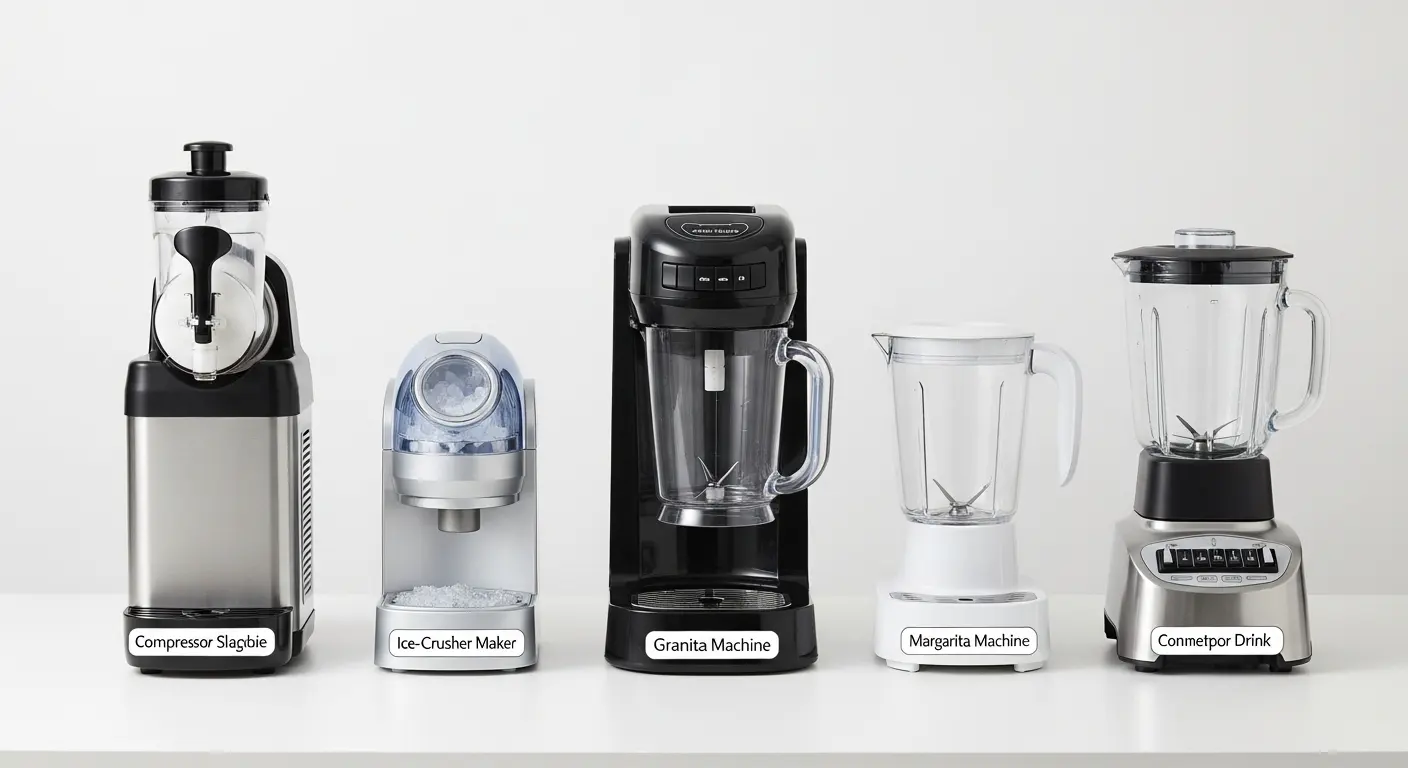
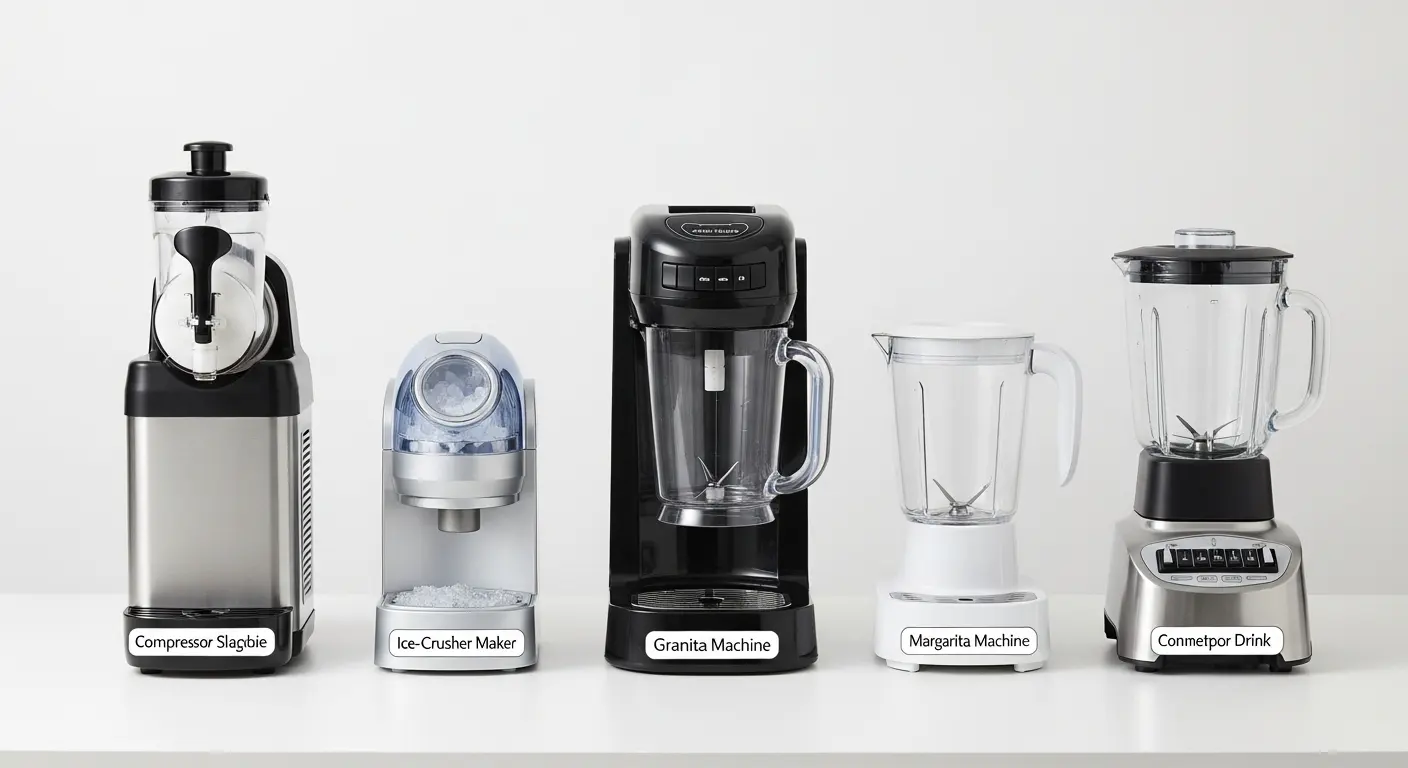
Here are the five categories you will actually encounter when shopping for a home frozen drink machine. These are defined by mechanism and output — not by whatever the brand decided to print on the box.
Type 1 — Compressor Slushie Machine (No Ice Needed)
This is the category most people mean when they say "slushie machine" in 2025–2026. A built-in refrigeration compressor chills a metal cylinder (called an evaporator) inside the tank. A rotating auger — a mixing arm — spins against that cold cylinder, constantly agitating the liquid as it freezes. The agitation is what makes the difference between soft, scoopable slush and a frozen solid block: the auger breaks up ice crystals as they form, keeping them fine and uniform.
No ice required. You pour your liquid in, turn it on, and wait 20–30 minutes. The compressor does everything.
Key characteristics:
- Self-freezing — no pre-made ice needed
- Produces fine, smooth, consistent ice crystals
- Runs continuously — machine stays ready for hours
- Alcohol compatible up to approximately 8–10% ABV
- Quiet operation: 55–68 dB (similar to a refrigerator hum)
- Home price range: $80–$200
- Best for: Daily home use, families, non-alcoholic slushies, low-ABV frozen cocktails
This is the technology behind YUMYTH's home machines. Our Mini Slush Machine uses dual-direction compressor cooling specifically engineered to prevent clogging and produce stable slush texture — the two most common failure points in lower-quality home machines.
Type 2 — Ice-Crusher / Blender Slushie Maker
The original "slushie machine" type — still widely sold at the budget end of the market. You make or buy ice cubes, load them in, and the machine crushes or chops the ice into your flavored liquid. The result is a coarser, icier drink that dilutes over time as the ice melts.
Key characteristics:
- Requires pre-made ice every time
- Produces coarser, more granular, icier texture
- Cheaper upfront: $30–$80
- No ABV restrictions — you can add alcohol directly (the ice does the cooling, not a compressor)
- Louder during crushing phase
- Best for: Occasional use, tight budgets, kids' parties where texture precision doesn't matter
The practical problem with ice-crusher machines for regular home use: you have to think ahead. No ice in the freezer means no slushie. The machine is not ready on demand — it depends on your ice supply.
Type 3 — Granita Machine
Technically, a granita machine uses the same core hardware as a Type 1 compressor slushie machine — a compressor, a chilled cylinder, and an auger. The difference is not in the machine itself but in how it is calibrated and what the output is supposed to be.
Granita is an Italian frozen dessert — deliberately coarser and more crystalline than a smooth slushie. Granita machines run at a slightly higher target temperature (-3°C to -5°C vs. -5°C to -7°C for standard slush mode) and are typically used with higher-brix (sweeter) recipes, which produce larger, more distinct ice crystals that give that characteristic crunchy granita texture.
In practice, most modern home compressor machines can produce both slushie and granita texture by adjusting the temperature setting and recipe sweetness. The distinction between "slushie machine" and "granita machine" in a home context is largely cosmetic — they are the same hardware doing the same job.
Key characteristics:
- Same mechanism as Type 1 (compressor + auger)
- Coarser, crunchier, more crystalline texture than smooth slush
- Popular for Italian-style frozen coffee drinks (granita di caffè) and fruit granitas
- Home price range: $100–$200
- Best for: Upscale frozen drinks, European-style frozen coffee, households that prefer texture over smoothness
Type 4 — Margarita Machine / Frozen Cocktail Machine
A dedicated margarita machine or frozen cocktail machine looks similar to a compressor slushie machine but has a significantly more powerful compressor calibrated specifically to freeze alcohol-containing recipes. The challenge — which we explain in depth below — is that alcohol depresses the freezing point of liquid. A standard home compressor machine struggles to freeze recipes above ~8–10% ABV. A purpose-built cocktail machine handles up to ~15% ABV with proper recipe balance.
Key characteristics:
- More powerful compressor than standard home slushie machines
- Produces creamy, smooth frozen cocktail texture — closer to soft-serve than granular slush
- Handles ABV up to ~15% with proper recipe dilution
- Higher price range: $150–$350 for home units
- Best for: Frozen margaritas, piña coladas, daiquiris, and regular home cocktail entertaining
KaTom's food service taxonomy classifies margarita and frozen cocktail machines as distinct from standard slush machines precisely because they are "specifically designed for frozen cocktails and rated for freezing alcohol" — a designation standard home slushie machines do not carry.
Type 5 — Countertop Blender (Used for Frozen Drinks)
The blender is not technically a "frozen drink maker" — but millions of home users use one to make frozen drinks, and it deserves a place in this comparison because it is the most common alternative home buyers consider.
A blender uses pre-frozen ice cubes or crushed ice combined with your liquid ingredients. The blades chop and mix everything together. You get a frozen drink — but the texture is fundamentally different: chunkier, less consistent, with larger ice pieces that melt quickly and dilute the flavor.
The key advantage of the blender: no restrictions. You can blend any recipe at any ABV level and any sweetness because you're not relying on a compressor to freeze the liquid — you're relying on pre-frozen ice. A 30% ABV cocktail in a blender? Fine. A 30% ABV cocktail in a compressor slushie machine? It won't freeze.
Key characteristics:
- Requires pre-frozen ice every time
- Chunkiest, most variable texture — melts fastest
- No ABV or sweetness restrictions
- Loudest option: 80–90 dB during operation
- Multi-purpose: also makes smoothies, soups, sauces
- Best for: Occasional frozen drinks, households that already own a quality blender, maximum recipe flexibility
The Real Differences That Matter for Home Buyers
Now that all five types are defined, here are the four dimensions that should drive your actual decision.
Texture — The Most Underrated Difference
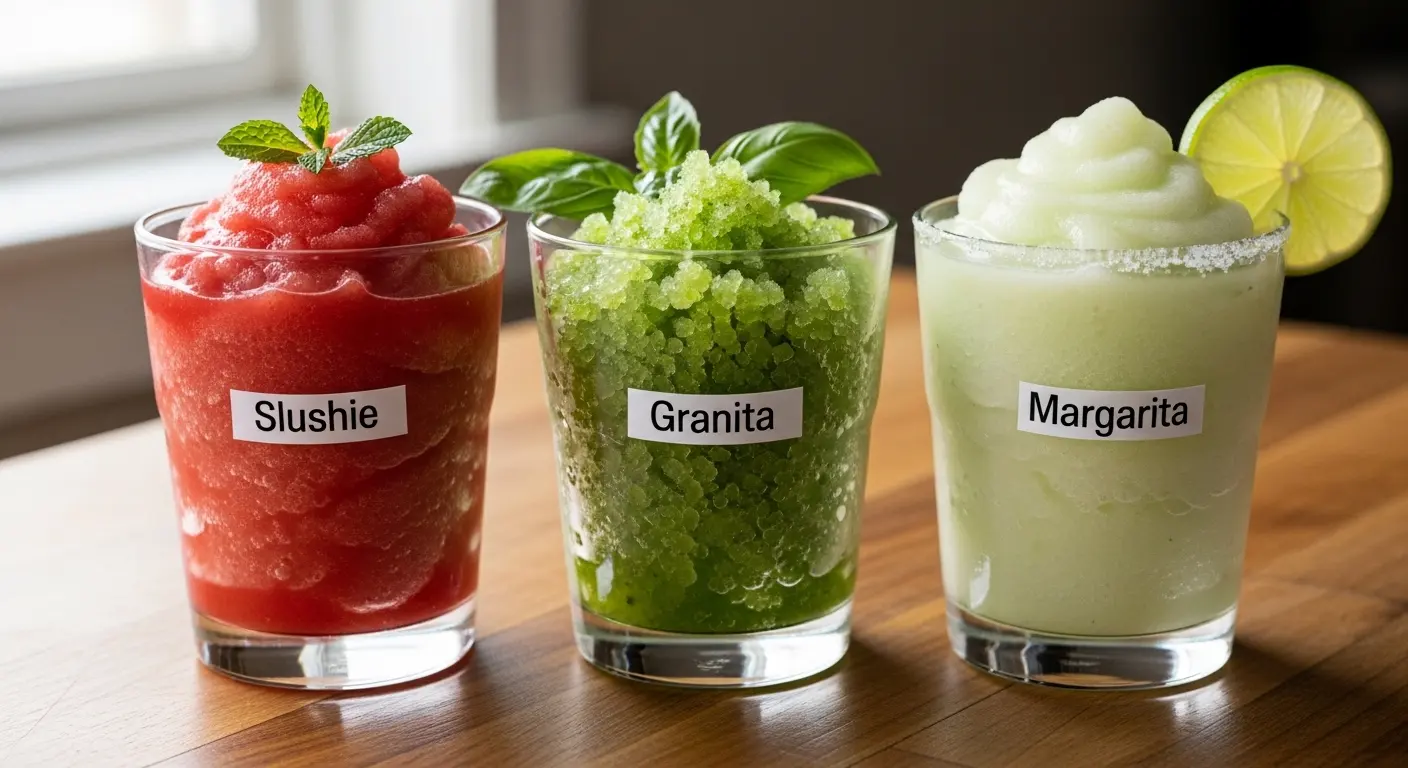
Most buyers research mechanism and price. But texture is what you taste and feel when the drink is actually in your glass — and the difference between types is stark.
| Machine Type | Texture Description | Melts How Fast? |
|---|---|---|
| Compressor slushie machine | Fine, smooth, consistent — like a Slurpee or 7-Eleven Slush | Slowly — stays frozen for hours |
| Ice-crusher / blender slushie maker | Coarser, icier, more granular — large ice pieces | Quickly — ice melts into watery liquid |
| Granita machine | Crystalline, crunchy — distinct ice shards | Moderately — faster than compressor, slower than blender |
| Margarita machine | Creamy, smooth, semi-liquid — closer to soft-serve | Slowly — held at consistent temperature |
| Blender frozen drink | Chunky, variable, layered — thick chunks + liquid | Quickly — especially with large ice cubes |
For families making kids' fruit slushies, Type 1 compressor is the correct choice. If you want frozen margaritas with that restaurant-quality creamy texture, Type 4 (margarita machine) or a well-calibrated Type 1 compressor machine with a proper low-ABV recipe is your answer. If you want a quick occasional frozen drink without another appliance, your existing blender is sufficient — just accept the texture trade-off.
Alcohol Compatibility — Which Machines Can Handle Cocktails?
This is the single most important practical question for adult home users, and no marketing description ever explains it clearly. Here is the science in plain terms:
Alcohol lowers the freezing point of liquid. Pure water freezes at 0°C. A 10% ABV liquid freezes at approximately -5°C to -7°C. A 20% ABV liquid freezes at approximately -10°C to -12°C. Standard home compressor slushie machines are designed to operate in the -3°C to -8°C range — they can handle recipes up to roughly 8–10% ABV. Push beyond that and the liquid chills but never reaches true slush consistency.
Practical alcohol compatibility by machine type:
| Machine Type | Max ABV (Approx.) | Practical Cocktail Options |
|---|---|---|
| Compressor slushie machine | ~8–10% | Wine spritzers, hard seltzer slush, light beer slush, low-ratio tequila/juice mix |
| Granita machine | ~8–10% | Same as above — same mechanism |
| Margarita / cocktail machine | ~12–15% | Proper margaritas, piña coladas, daiquiris at standard recipe ratios |
| Ice-crusher machine | No restriction | Any ABV — ice does the chilling, not a compressor |
| Blender | No restriction | Any ABV — no freeze chemistry involved |
The fix for compressor machine users who want cocktails: reduce your ABV below 10% in the final mix by adding extra juice, mixer, or water, and compensate with additional sugar (50–80g per 1.5L) to keep your brix level in the 14–18° range. A frozen margarita made with tequila, triple sec, and lime juice diluted with agave simple syrup to ~8% ABV total will freeze perfectly in a standard compressor home machine.
For engineering-level detail on how alcohol affects compressor performance across our machine lineup, see our industry insights blog.
"Frozen Drink Mode" vs. "Slushi Mode" — What's Actually Different?
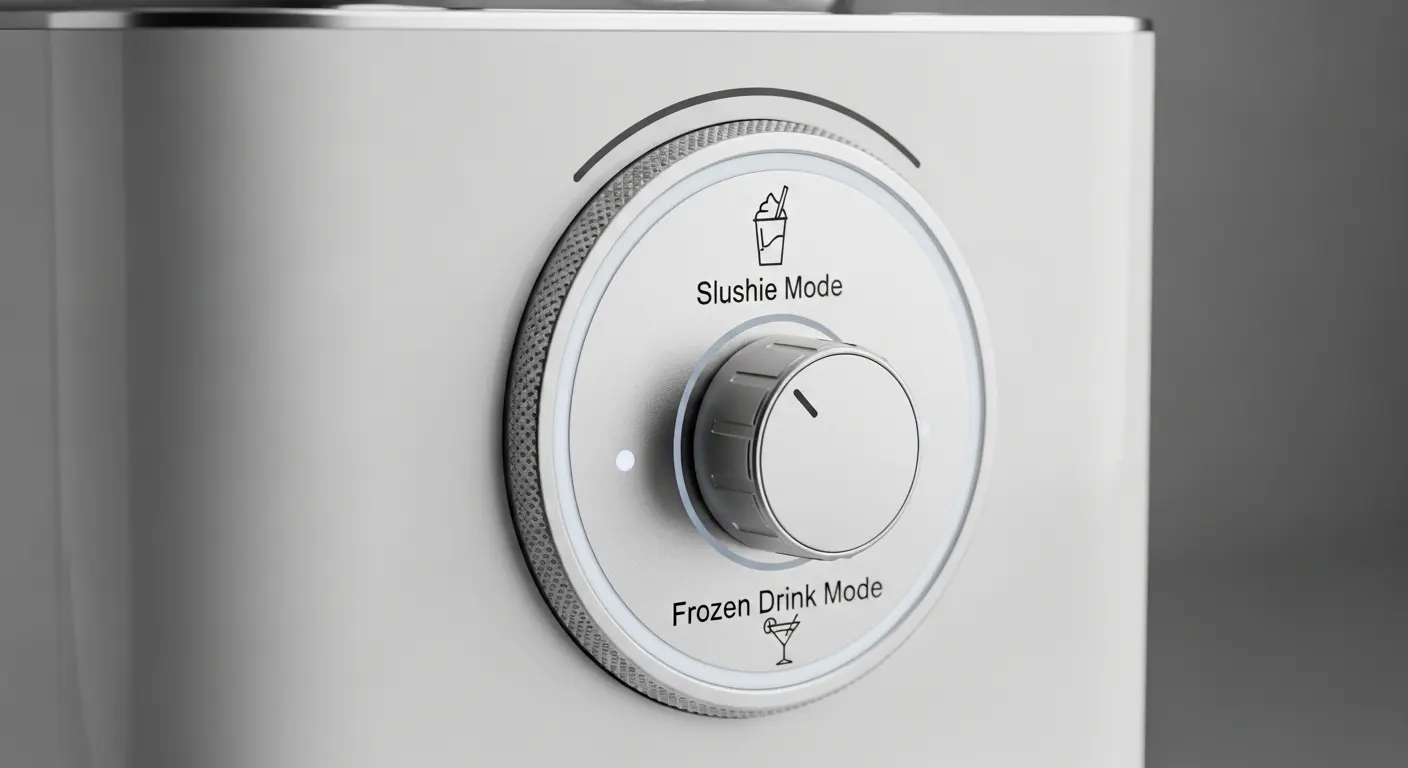
This is the most frequently asked question on slushie machine forums and Reddit threads — and zero article competitors currently answer it properly.
Multi-mode home machines like the Ninja SLUSHi offer both a "Slushi" setting and a "Frozen Drink" or "Frozen Cocktail" setting. Home users are confused: is it two different machines in one? Is one setting better? When do you use which?
The answer is simpler than it seems. Both modes use exactly the same compressor and auger hardware. The difference is calibration — not capability.
- Slushi mode: Runs the auger at full speed and the compressor at maximum cooling power. Designed for high-sugar, non-alcoholic drinks (standard sodas, juice mixes, flavored syrups) that require maximum freezing force because there is no antifreeze agent in the liquid.
- Frozen Drink / Frozen Cocktail mode: Reduces auger speed and eases compressor intensity. Alcohol naturally acts as an antifreeze, lowering the freezing point of the mix. If the machine applies full compressor power to an alcohol-containing recipe, it risks over-chilling the liquid unevenly or straining the motor unnecessarily. The reduced mode works with the alcohol chemistry rather than against it.
In simple terms: Slushi mode is for juice and soda. Frozen Drink mode is for cocktails. Same machine — different recipes calling for different calibration. The Reddit community summary says it well: "Frozen drink has alcohol in it, which makes it easier on the blade to cut through, so less power. Slushi is just basically ice, so more power."
Slushie Machine vs. Blender — Which Is Actually Better for Home Use?
For many buyers, the real decision isn't between slushie machine types — it's between buying a dedicated compressor slushie machine or just using the blender they already own. Here is the honest comparison:
Compressor slushie machine wins on:
- Convenience: Fill, press start, walk away. No ice prep, no active attention needed during freezing
- Texture consistency: Fine uniform ice crystals, same texture every single time
- Continuous serving: Tank stays frozen and ready — guests can pour over several hours without re-batching
- Noise during use: 55–68 dB (background hum) vs. 80–90 dB for a blender (cannot hold a conversation in the same room while it runs)
- Drink quality: No ice dilution — pure flavor preserved because the machine freezes the actual liquid rather than blending it with water-ice
Blender wins on:
- Recipe flexibility: No ABV limit, no brix requirement — blend anything
- Multi-tasking: Also makes smoothies, sauces, soups — one appliance for everything
- Counter space: You already own it — no additional footprint required
- Cost: $0 if you already have a good blender
- Occasional use: For two frozen drinks per month, a dedicated machine is hard to justify
If your household makes frozen drinks more than once or twice a week — especially in summer — a compressor slushie machine pays for itself in convenience, consistency, and time within weeks. If frozen drinks are a rare occasion, your blender is entirely adequate. The line is frequency of use.
As one food service expert put it: "You add too much ice, so now your drink is all chunky, so you add some more liquid to thin it out and now it's too thin... It's quite aggravating for the person making it." That agitation disappears entirely with a dedicated compressor machine.
Our Mini Slush Machine is specifically designed for exactly this daily-use case — compact enough to stay on the counter permanently, powerful enough to freeze a batch while you're getting the glasses ready.
Which Type Is Right for You? — Decision Guide
Six common home buyer scenarios. One clear recommendation for each.
Choose a Compressor Slushie Machine if…
- You want everyday convenience — fill it, press start, done
- You serve 1–5 people regularly and want consistent results
- You're making non-alcoholic slushies or low-ABV (under 10%) cocktails
- You care about texture quality and quiet operation
- You want a machine that stays on the counter and is ready any time
Best products:
- YUMYTH Mini Slush Machine — compact, full compressor performance, built for 1–2 person daily home use
- YUMYTH Slush and Ice Cream Maker — dual function for families wanting frozen drinks AND ice cream from one appliance
Choose a Margarita / Frozen Cocktail Machine if…
- You regularly make frozen margaritas, piña coladas, or daiquiris at standard recipe strengths (10–15% ABV)
- The creamy, restaurant-quality frozen cocktail texture is important to you — not granular slushie texture
- You host cocktail parties frequently and want a machine that handles serious alcohol recipes without adjustment
- You're willing to invest $150–$350 for the right tool
Choose a Blender if…
- You make frozen drinks only a few times per year — occasional use
- You want maximum flexibility: any recipe, any ABV, any sweetness level, any texture
- You already own a high-powered blender and don't want another dedicated countertop appliance
- Your primary use is smoothies, with frozen drinks as a secondary occasional use
If you're weighing a frozen drink machine against an ice cream machine — another common crossover decision for home buyers — our guide on how slush machines compare to ice cream makers breaks down the full functional comparison before you commit.
All Five Types at a Glance
Frozen Drink Machine Types for Home Use
| Machine Type | Mechanism | Texture | Max ABV | Ice Required? | Home Price | Best For |
|---|---|---|---|---|---|---|
| Compressor Slushie Machine | Compressor + auger | Fine, smooth slush | ~8–10% | No | $80–$200 | Daily home use, families |
| Ice-Crusher Slushie Maker | Motor ice crushing | Coarse, icy | Any | Yes | $30–$80 | Budget / occasional use |
| Granita Machine | Compressor + auger (coarser) | Crystalline, crunchy | ~8–10% | No | $100–$200 | Italian-style frozen drinks |
| Margarita / Cocktail Machine | High-power compressor | Creamy, smooth | ~12–15% | No | $150–$350 | Frozen cocktails |
| Blender (frozen drinks) | Blades + pre-frozen ice | Chunky, variable | Any | Yes | $50–$300+ | Flexible, multi-use kitchen |
Frequently Asked Questions
Is a frozen drink maker the same as a slushie machine?
In most modern home contexts, yes — the terms are used interchangeably. "Frozen drink maker" is technically a broader umbrella category that includes blenders, margarita machines, and granita units. When shopping, look past the name and check the mechanism: if the machine has a built-in compressor and an auger and requires no ice, it is functionally a compressor slushie machine regardless of what the brand calls it.
What is the difference between a slushie machine and a granita machine?
Both use a compressor and auger — the hardware is typically identical. The difference is texture and calibration. Granita machines run at a slightly warmer temperature (-3°C to -5°C), producing coarser, crunchier ice crystals with a more crystalline texture. Slushie mode runs cooler (-5°C to -7°C), producing finer, smoother ice crystals. Most modern home compressor machines can produce both textures by adjusting the temperature setting and recipe sugar content.
Can a slushie machine make frozen cocktails?
Yes — with a critical limit. Standard home compressor slushie machines handle recipes up to approximately 8–10% ABV. Above that threshold, the alcohol's antifreeze effect prevents the machine from achieving proper slush consistency. To make frozen cocktails successfully: keep your final mix below 10% ABV by diluting with juice or mixer, and add extra sugar (50–80g per 1.5L) to maintain the 14–18° Brix sweet spot for freezing. For higher-ABV cocktail recipes, a dedicated margarita or frozen cocktail machine with a more powerful compressor is the better choice.
What is the difference between "Frozen Drink" mode and "Slushi" mode?
Both modes use the same compressor and auger — the difference is calibration intensity. Slushi mode runs at full power: maximum auger speed and maximum cooling, designed for high-sugar non-alcoholic drinks that need full freezing force. Frozen Drink mode runs at reduced power: because alcohol acts as a natural antifreeze, the machine doesn't need to work as hard, and full compressor intensity would over-freeze or unevenly process the alcohol mix. Use Slushi mode for juice and soda drinks; use Frozen Drink mode for cocktail recipes.
Can you use a blender instead of a slushie machine?
Yes — a high-powered blender with pre-frozen ice can produce frozen drinks. The practical trade-offs are texture (chunkier, less consistent, melts faster), noise (80–90 dB vs. 55–68 dB for a compressor machine), and convenience (requires ice prep every time vs. simply filling the tank). For occasional use, a blender is perfectly adequate. For regular weekly use, a dedicated compressor slushie machine produces significantly better texture with far less effort.
What machine makes the smoothest frozen margarita?
A dedicated margarita or frozen cocktail machine (Type 4) produces the creamiest, smoothest frozen margarita texture — closer to soft-serve than granular slush — because its compressor is calibrated for alcohol-containing recipes at proper cocktail ABV levels. A quality compressor slushie machine with a well-balanced recipe (below 10% ABV, 14–18° Brix) can also produce excellent results. Standard blenders make frozen margaritas but with an icier, chunkier texture that melts faster.
What is the difference between a slushie and a granita texture?
A slushie has fine, smooth, uniform ice crystals — the soft, scoopable consistency of a convenience store Slurpee. Granita has larger, more distinct ice crystals with a crunchy, almost shaved-ice-like texture — originally an Italian frozen dessert served in a glass with a spoon. Both start from the same mechanism (compressor + auger); the texture difference comes from running temperature and recipe sugar content. Neither is objectively better — they suit different preferences and occasions.
Do I need a special machine for alcohol-based frozen drinks at home?
Not necessarily — a standard home compressor slushie machine handles low-ABV cocktail recipes (under 10% ABV) very well with proper recipe balancing. For stronger cocktails above 10% ABV (standard margarita ratios, daiquiris at full spirit strength), a dedicated margarita or frozen cocktail machine with a more powerful compressor is recommended. For maximum flexibility with any ABV level, a blender with ice has no restrictions — though the texture trade-off is significant.
Ready to Find the Right Machine for Your Home?
YUMYTH builds compressor-based home slushie machines engineered specifically for real home use — not commercial-spec units repurposed for kitchen counters. Our machines are quiet (no industrial compressor noise), compact (designed to fit on a standard kitchen counter), easy to clean (fully removable tanks, self-rinse function), and backed by 8+ years of frozen drink appliance manufacturing for brands in 92+ global markets.
Choose your machine:
- Mini Slush Machine — Compact compressor performance built for 1–2 person daily home use. No ice needed, no oversizing, no wasted product.
- Slush and Ice Cream Maker — Dual-function: frozen drinks and homemade ice cream from one mid-size unit. Ideal for families who want variety.
- Explore all YUMYTH home machines — Full range, full specs, direct from the manufacturer.
Related Articles
How We Test Every Ice Maker Before Packaging
2026-09-15
BY YUMYTH
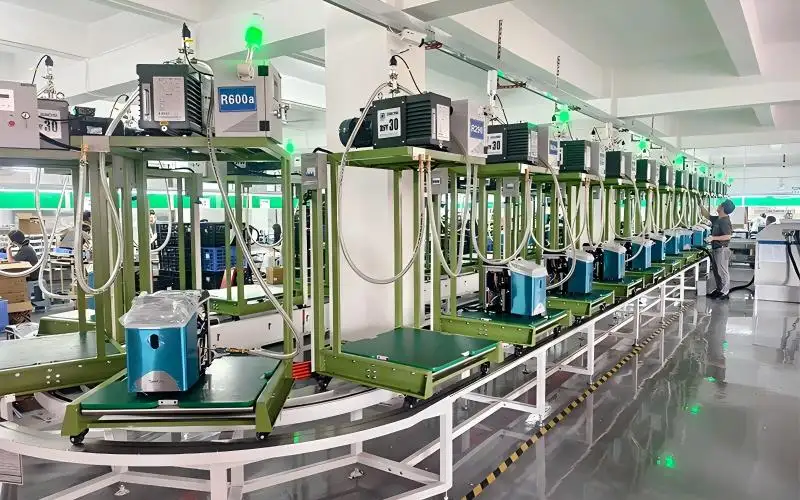
A step-by-step look at refrigerant handling, cooling verification, leak detection, corrective action and electrical safety testing For an ice maker, reliable performance is determined long before the carton is sealed. ...
Guide for Brands Looking for a Reliable Vacuum Sealer OEM Supplier
2026-09-14
BY YUMYTH
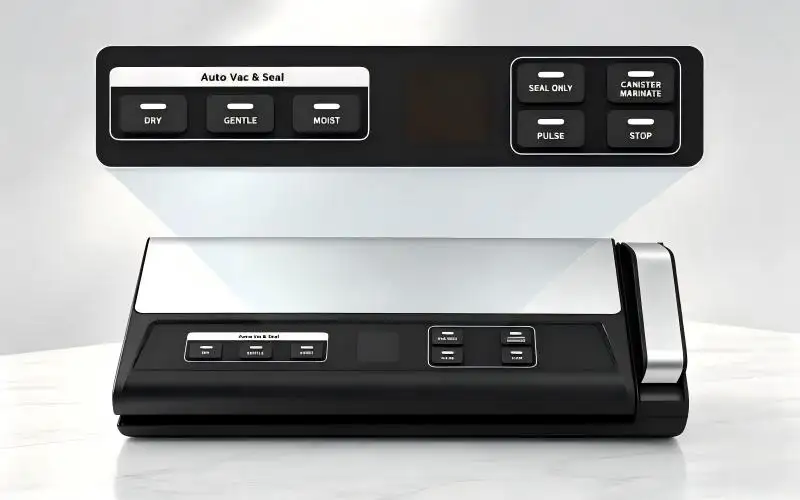
When you are sourcing kitchen appliances for your retail brand, finding a dependable vacuum sealer OEM supplier is rarely just about getting the lowest unit price. It is about protecting ...
Why Ice Shape Matters: Understanding 10mm × 15mm Cylindrical Nugget Ice
2026-09-14
BY YUMYTH
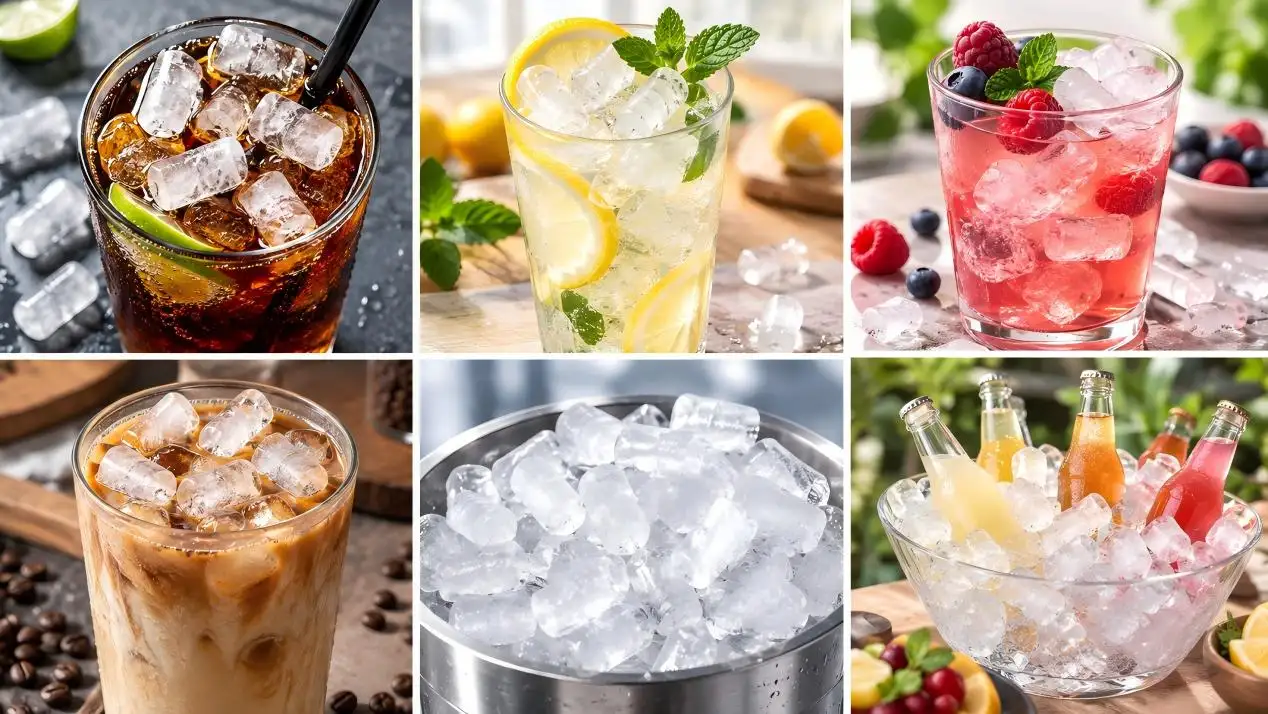
More Than Ice Production — The Ice Itself Shapes the Consumer Experience When sourcing a nugget ice maker, buyers often focus first on production capacity, water tank size, ice basket ...

Ice Maker Sourcing Guide: How to Find the Right Factory
2026-09-10
BY YUMYTH
Sourcing an ice maker looks straightforward on paper. Find a supplier, agree on a price, place an order. But anyone who has actually done this knows the process is rarely ...