
The Ultimate Guide to Finding the Right Vacuum Sealer for Household Use
Share:
-

-

-

-


Copied
Share:
-
-
-
-
Copied
Let's be honest for a second. We have all stood in front of the freezer, staring at a grey, ice-crystal-covered expensive steak, wondering where things went so wrong. Freezer burn is the ultimate enemy of the home cook, slowly destroying the quality of the groceries you worked hard to pay for. The good news? It is entirely preventable. Whether you are buying groceries in bulk to combat rising inflation, prepping healthy meals for a busy week, or getting into the sous-vide culinary craze, a solid vacuum sealer is arguably the smartest financial investment you can make for your kitchen.
Beyond the Hype: Why Every Kitchen Needs a Vacuum Sealer
If you think a vacuum sealer for household use is just another bulky gadget destined to collect dust next to your forgotten bread maker, think again. The fundamental magic of vacuum sealing lies in absolute oxygen removal. Oxidation brought on by oxygen deteriorates the taste, texture, and nutritional content of your food while providing the ideal conditions for the growth of aerobic bacteria and mold.
Banish Freezer Burn for Good
When moisture escapes from your food and forms ice crystals on the surface, freezer burn occurs. A vacuum sealer keeps the natural moisture in food where it belongs by physically removing the surrounding air and forming an impermeable airtight seal. Suddenly, that premium salmon fillet you froze six months ago tastes just as vibrant and fresh as the day you brought it home from the seafood market.
Real-World Applications: More Than Just Freezing Meat
The full benefit of a vacuum sealer for home use is shown when you include it into your everyday activities, even if preserving a costly cut of beef is fantastic.
Mastering Bulk Buying and Meal Prep
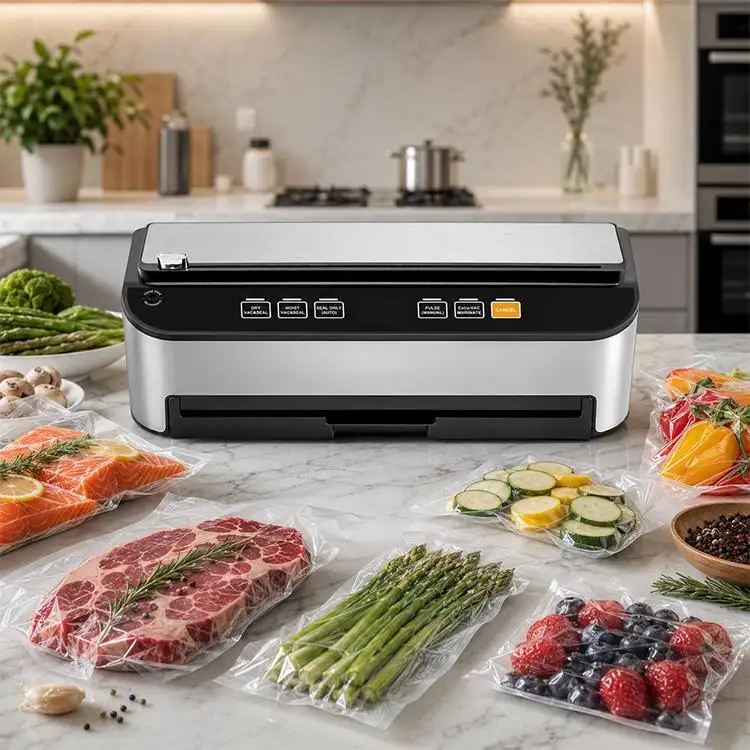
Warehouse clubs offer fantastic deals on bulk proteins and cheeses, but those savings instantly vanish if half the food spoils before you can eat it. A vacuum sealer allows you to buy family packs of chicken breasts or ground beef, portion them out for individual dinners, and freeze them safely. Furthermore, busy parents can prep marinades and vegetables on a Sunday, seal them up, and have ready-to-cook dinners lined up for the entire week without worrying about them going bad in the fridge.
Preserving the Garden Harvest
If you are an avid gardener, you know the struggle of having too many tomatoes or zucchinis all at once. You may enjoy garden-to-table meals in the dead of winter by fast blanching your summer veggies and vacuum-sealing them to preserve their peak freshness.
The Sous-Vide Revolution
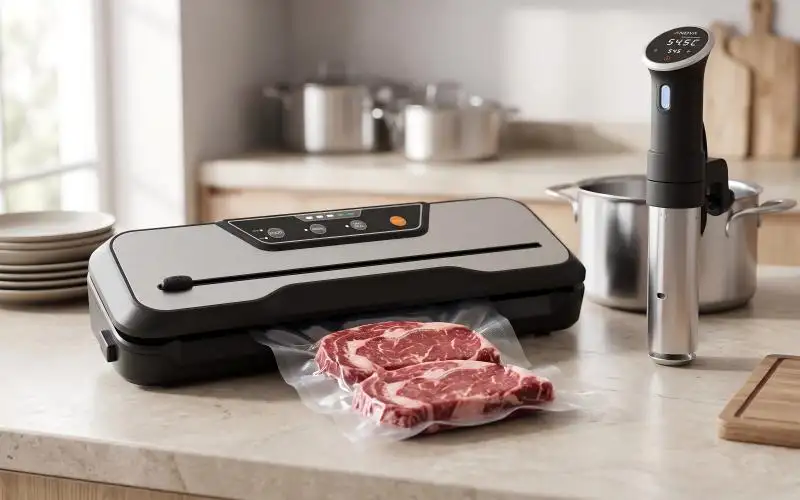
One cannot discuss contemporary home cooking without bringing up sous-vide. Using this method, food is cooked in a water bath that is perfectly regulated in temperature. While some people try to use the "water displacement method" with standard zipper bags, a true vacuum seal ensures that the bag won't float, leak, or burst open during a long, slow cook. It guarantees edge-to-edge perfection every single time.
Setting Expectations: How Long Does Food Actually Last?
One of the most common questions people ask before buying a machine is exactly how much time it buys them. The results are legitimately staggering:
Beef and Poultry: Normally lasts about 6 months in a traditional freezer before severe freezer burn sets in. Vacuum sealed? Expect 2 to 3 years of prime quality.
Hard Cheeses: Wrapping cheese in plastic wrap might give you 1 to 2 weeks in the fridge before mold spots appear. A vacuum-sealed block of cheddar can easily last 4 to 8 months.
Fresh Berries: Strawberries are notoriously fragile. Vacuum sealing them in a rigid canister (using the accessory hose) can extend their fridge life from a few days to nearly two weeks.
External vs. Chamber Vacuum Sealer: Decoding the Difference
When you start shopping, you will immediately notice two main categories. Understanding this difference is crucial because they operate on completely different scientific principles.
The Classic Edge Sealer (External Suction)
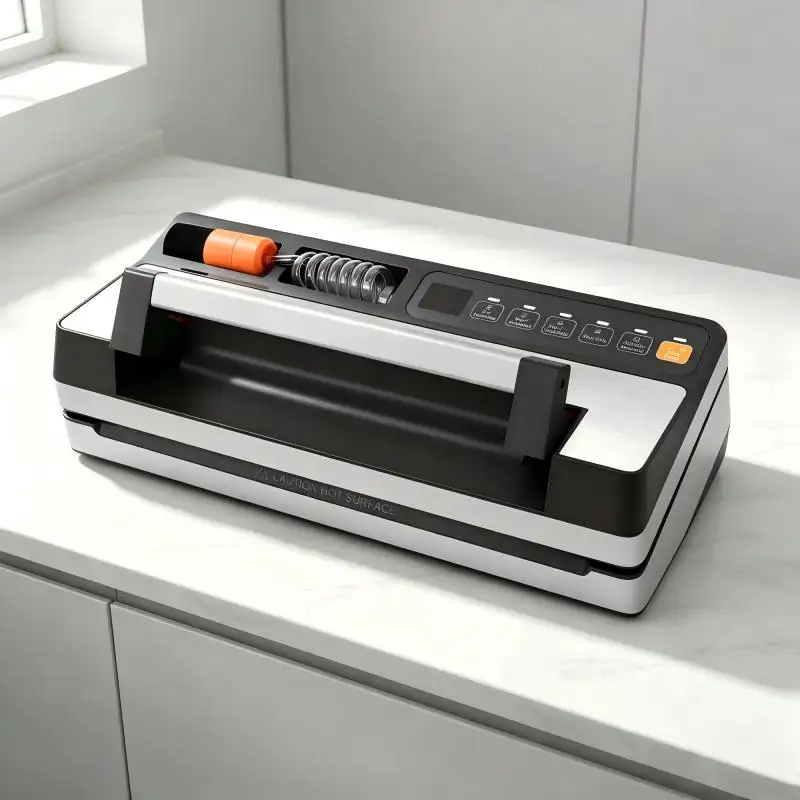
This is what most people picture when they think of a vacuum sealer for household use. You put your food in a specially textured bag, stick the open end into the machine, and a pump physically sucks the air out before melting the plastic shut. They are highly compact, affordable, and perfect for dry goods or solid meats. But try sealing a bag of leftover chicken noodle soup with one of these, and you will quickly find yourself cleaning up a messy, liquid explosion on your countertops.
The Heavyweight Champion: Chamber Vacuum Sealers
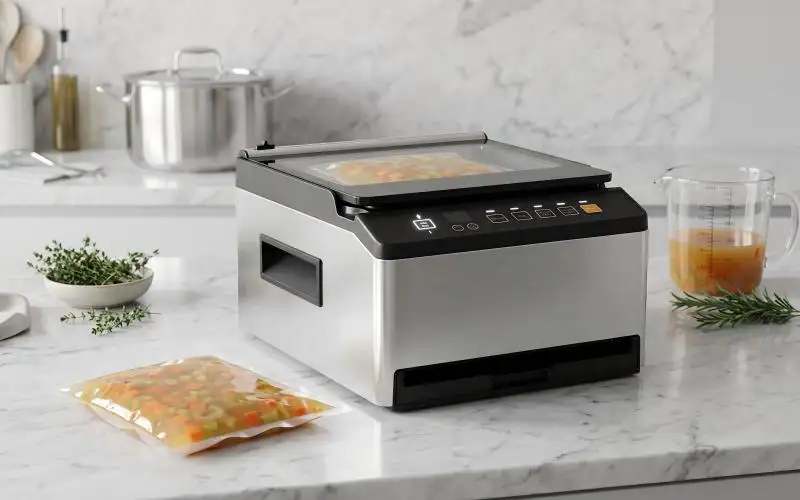
Enter the chamber vacuum sealer. Instead of sucking air out of the bag, you place the entire open bag inside a closed tub. The machine pumps all the air out of the chamber itself. Because the atmospheric pressure inside and outside the bag drops equally, liquids do not boil over or get aggressively squeezed out. Once the vacuum is achieved, the bag is sealed, and air rushes back into the chamber. It is a brilliant piece of physics that makes sealing liquids, marinades, and stews utterly flawless.
5 Crucial Features to Look For When Buying
To ensure you don't end up with buyer's remorse, keep these five factors in mind:
- Evaluate Your Space: External edge sealers can easily fit in a standard kitchen drawer. Chamber sealers, due to their internal tub, require dedicated, permanent counter space. Always measure your available real estate before you buy.
- Consider Your Cooking Style: If you only seal the occasional block of cheese or dry beans, a basic suction model is perfectly fine. If you want to marinate meats in minutes or preserve massive batches of chili and soup, you absolutely need a chamber model.
- Check the Seal Bar Width: A wider heating element means a thicker, stronger seal. This drastically reduces the chance of the plastic bag popping open in the freezer after getting jostled around.
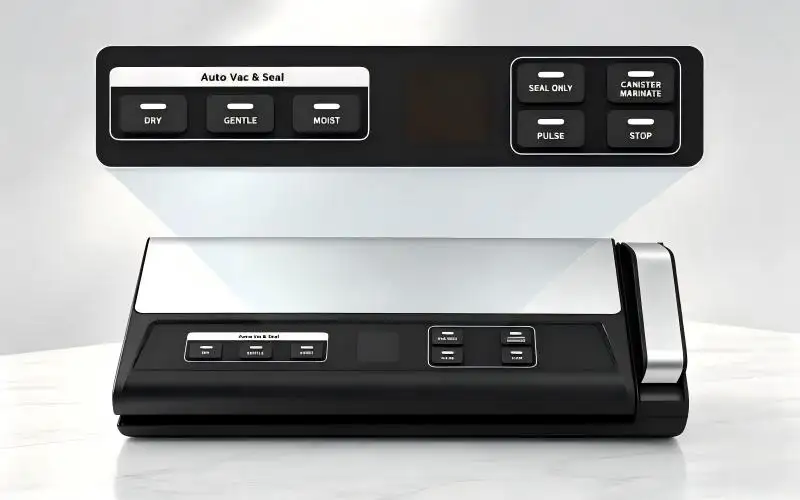
- The 'Pulse' Function: If you have ever tried to vacuum seal a soft loaf of bread or delicate pastries with an automatic machine, you know it usually crushes them into a pancake. A manual 'pulse' function lets you control the exact amount of suction, preserving delicate items safely.
- Accessory Ports: Look for machines that include a small hose attachment. This allows you to suck the air out of specialized glass jars, marinating canisters, and even wine bottles.
Basic Maintenance for a Lifetime of Use
Finally, taking care of your machine ensures it takes care of your food. For standard external sealers, the most common point of failure is the foam gasket. Over time, these gaskets compress and lose their ability to form a tight suction. Simply replacing the upper and lower gaskets every couple of years—along with wiping down the Teflon tape over the heating bar—will keep the machine running like new.
At the end of the day, picking the right vacuum sealer machine boils down to how you manage your kitchen workflow. Stop throwing your hard-earned money in the trash with spoiled food, embrace the technology, and take total control of your pantry today.
Related Articles
How We Test Every Ice Maker Before Packaging
2026-09-15
BY YUMYTH
A step-by-step look at refrigerant handling, cooling verification, leak detection, corrective action and electrical safety testing For an ice maker, reliable performance is determined long before the carton is sealed. ...
Guide for Brands Looking for a Reliable Vacuum Sealer OEM Supplier
2026-09-14
BY YUMYTH
When you are sourcing kitchen appliances for your retail brand, finding a dependable vacuum sealer OEM supplier is rarely just about getting the lowest unit price. It is about protecting ...

Why Ice Shape Matters: Understanding 10mm × 15mm Cylindrical Nugget Ice
2026-09-14
BY YUMYTH
More Than Ice Production — The Ice Itself Shapes the Consumer Experience When sourcing a nugget ice maker, buyers often focus first on production capacity, water tank size, ice basket ...

Ice Maker Sourcing Guide: How to Find the Right Factory
2026-09-10
BY YUMYTH
Sourcing an ice maker looks straightforward on paper. Find a supplier, agree on a price, place an order. But anyone who has actually done this knows the process is rarely ...