
Vacuum Sealer Suppliers: How to Choose a Reliable Manufacturer
Share:
-

-

-

-


Copied
Share:
-
-
-
-
Copied
Over the years, I’ve watched quite a few importers and brand owners learn the same lesson the hard way: the cheapest vacuum sealer supplier is rarely the best one. They chase a low price, skip the sample stage, and end up with uneven sealing bars, missing certifications, or shipments that arrive weeks late—right when their peak sales season starts.
Finding a trustworthy vacuum sealer supplier isn’t complicated, but it does require looking beyond the quotation sheet. Here’s a practical guide based on real sourcing experience, not just marketing brochures.
Manufacturer or Trader? That’s the First Question
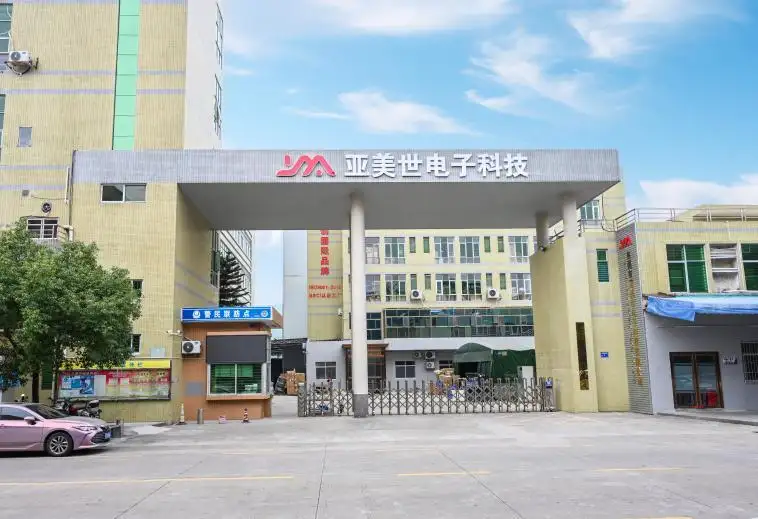
Many companies that call themselves “suppliers” don’t actually produce anything. They buy from various factories and resell. That can work for one-off orders, but if you’re planning a long-term partnership—especially if you want to build your own brand—dealing directly with a factory saves you time, money, and misunderstandings.
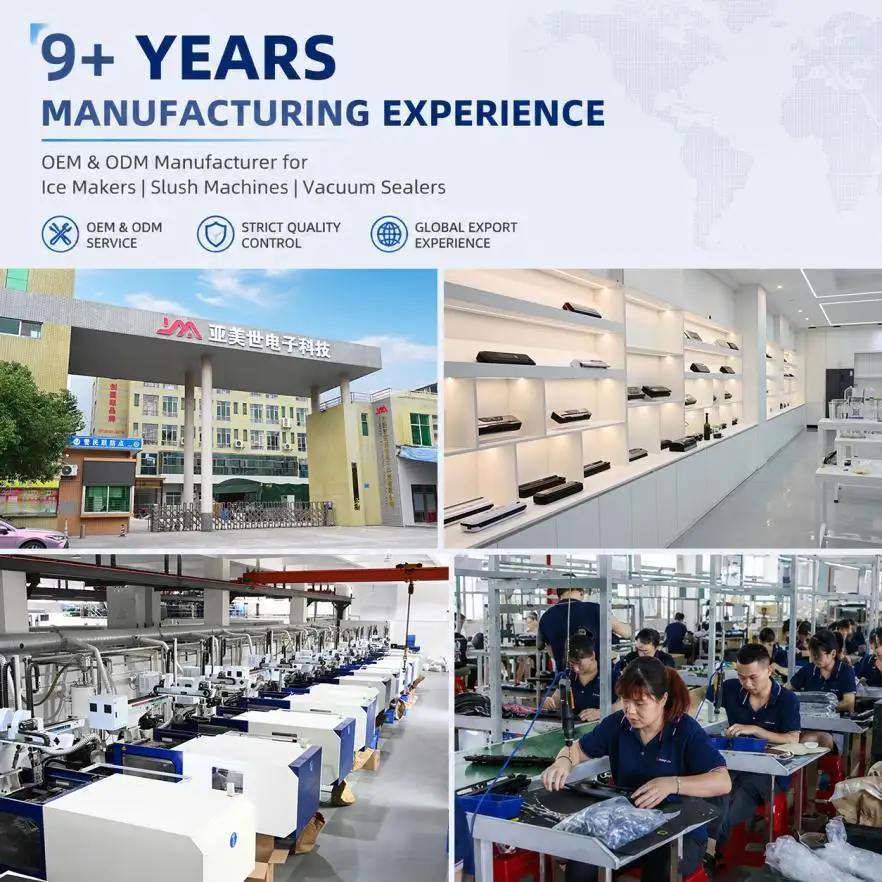
A real manufacturer will have its own production lines, in-house quality control, and engineering staff. You can ask for photos or a video tour of the facility. A genuine factory won’t hesitate to show you how they assemble and test their machines. A trading company, on the other hand, often cannot answer technical questions about component sourcing or production lead times with the same precision.
Match the Machine to Your Market
Before you contact any supplier, be clear about who your end customer is. That determines which type of vacuum sealer you need.
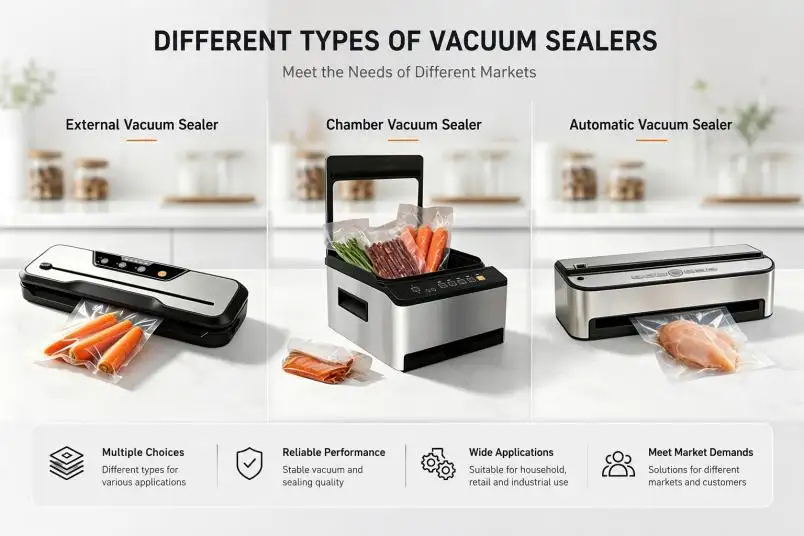
- External (household) sealers are compact and affordable. They work well for dry and lightly moist foods. If your customers are home cooks, online shoppers, or supermarket chains, this is usually the right category.
- Chamber vacuum sealers are heavier and more expensive, but they handle liquids, marinades, and seafood much more consistently. Restaurants, butcher shops, and meal-prep services prefer these. When sourcing chamber sealers, pay extra attention to the pump quality and sealing bar durability—those are the parts that fail first in cheap units.
- Automatic or digital models come with extra features like built-in cutters, drip trays, or weighing functions. These appeal to higher-end consumer or light commercial users. However, added electronics also mean more potential failure points, so ask the supplier about their testing procedures for circuit boards and sensors.
Certifications: The Devil Is in the Details
I’ve lost count of how many buyers asked a supplier “Do you have CE?” and got a quick “Yes”, only to discover later that the certificate was for a different model, or it didn’t cover the voltage and plug type required for their target country.
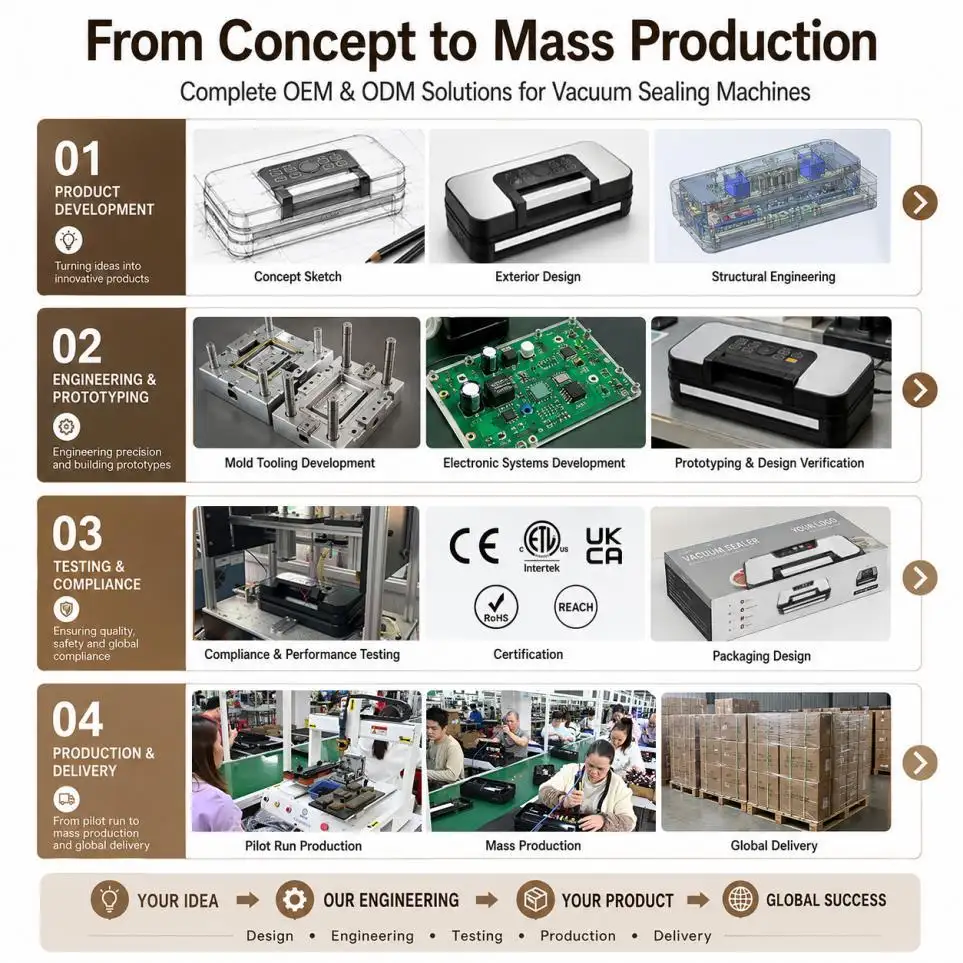
My rule is simple: always verify the vacuum sealer certifications against your specific model and target market before committing.For vacuum sealers, common requirements include CE (Europe), ETL or UL (North America), UKCA (United Kingdom), plus RoHS and REACH for material safety. And don’t just take a screenshot—ask for the full document and verify the model number.
Social compliance audits like BSCI and management system certifications like ISO9001 aren’t always mandatory, but they’re good indicators of a factory’s overall discipline. If a supplier has these, they usually have more structured production and quality control processes.
Never Skip the Sample—and Test It Thoroughly
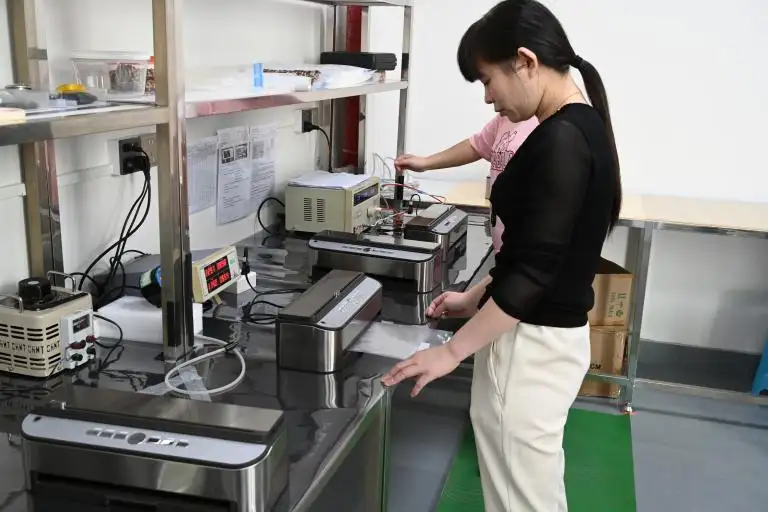
I cannot emphasize this enough: order a physical sample before committing to mass production. A sample tells you far more than any spec sheet. When you receive it, don’t just look at the Appearance—actually use it.
Seal dozens of bags with different foods (dry, wet, oily). Check:
- Does it achieve a strong, consistent vacuum?
- Is the sealing bar heating evenly, without burning the bag?
- How loud is the machine during operation?
- Are there sharp edges or poor fit-and-finish?
- Does the packaging survive a simulated drop test?
Also, if you plan to customize the product—logo printing, color changes, custom packaging, or modified control panels—ask the supplier for a pre-production sample that includes those changes. And clarify the MOQ for customized versions; sometimes the advertised low MOQ only applies to unbranded stock models, and custom orders require significantly higher quantities.
A Simple Sourcing Checklist
When I compare multiple suppliers, I use a standard checklist to keep the evaluation objective:
- Manufacturer or trader? Request facility evidence.
- Sample availability – Can they deliver a sample within a reasonable timeframe?
- OEM/ODM support – What exactly can they customize (logo, color, functions, packaging, manual)?
- Certifications – Valid for the specific model and target market?
- Quality control stages – Incoming inspection, in-process checks, functional testing, and final inspection?
- MOQ – Clarify for standard vs. custom orders.
- Production lead time – Realistic, not overly optimistic.
- Export experience – Have they shipped to your region before?
Using the same checklist for each shortlisted supplier makes the final decision much clearer—and it often reveals that the lowest quote isn’t the best value.
Why YUMYTH Comes Up in This Conversation
I don’t recommend factories lightly, but YUMYTH is worth mentioning because it checks the boxes that matter. They operate their own 11,000㎡ manufacturing facility, with dedicated QC teams and BSCI/ISO9001 management systems. Their certifications—CE, ETL, UKCA, RoHS, REACH—are tied to specific models, not generic claims.
More importantly, they understand that B2B buyers aren’t just ordering off-the-shelf products; they’re building brands. So they’re genuinely open to customization, from control panel layouts to retail packaging. Their sample process is straightforward, and they don’t shy away from technical questions. For buyers who value clear communication and production transparency, that makes a real difference.
Frequently Asked Questions
How do I find a reliable supplier in the first place?
Start by checking their factory credentials, sample policy, certification validity, and responsiveness to technical inquiries. A supplier that answers vaguely or delays providing documents is a red flag.
What’s the difference between a supplier and a manufacturer?
A manufacturer produces the goods in its own facility; a supplier may be a manufacturer or a middleman. For customization and consistency, direct factory cooperation is preferable.
Can I get a fully customized machine?
Yes—logo, color, functions, packaging, manuals, and even control interfaces can be modified. But confirm the MOQ and tooling costs upfront, as they vary greatly between standard and custom orders.
Is sampling really necessary?
Absolutely. I’ve never met a seasoned importer who regretted ordering a sample, but I’ve met plenty who regretted skipping it.
Which certifications should I prioritize?
That depends on your export market. Europe requires CE and RoHS; North America usually asks for ETL or UL; the UK needs UKCA. Always double-check that the certificate covers your exact model and electrical specifications.
Ready to Start Your Sourcing Project?
If you’re looking for a reliable vacuum sealer partner—whether you’re an Amazon seller, a distributor, a retailer, or a kitchen appliance brand—I’d suggest reaching out to YUMYTH with your specific requirements: target market, machine type, estimated quantity, and any customization needs.
They’ll respond with model recommendations, sample arrangements, and a quotation that reflects your actual project, not a generic price list. A good supplier saves you more than money—it saves you headaches.
Contact YUMYTH today and get your sourcing on the right track.
Related Articles
How We Test Every Ice Maker Before Packaging
2026-09-15
BY YUMYTH
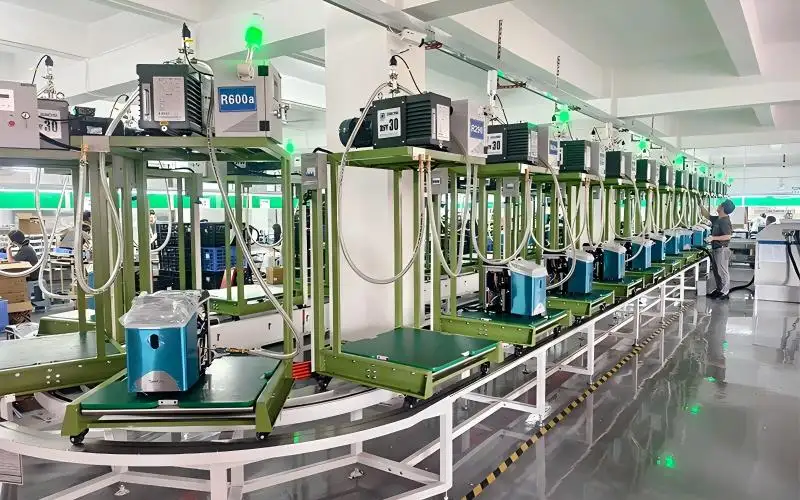
A step-by-step look at refrigerant handling, cooling verification, leak detection, corrective action and electrical safety testing For an ice maker, reliable performance is determined long before the carton is sealed. ...
Guide for Brands Looking for a Reliable Vacuum Sealer OEM Supplier
2026-09-14
BY YUMYTH
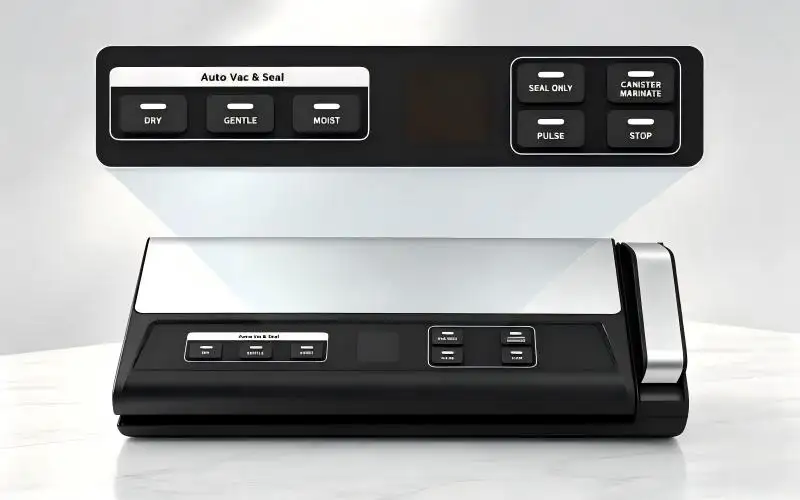
When you are sourcing kitchen appliances for your retail brand, finding a dependable vacuum sealer OEM supplier is rarely just about getting the lowest unit price. It is about protecting ...
Why Ice Shape Matters: Understanding 10mm × 15mm Cylindrical Nugget Ice
2026-09-14
BY YUMYTH
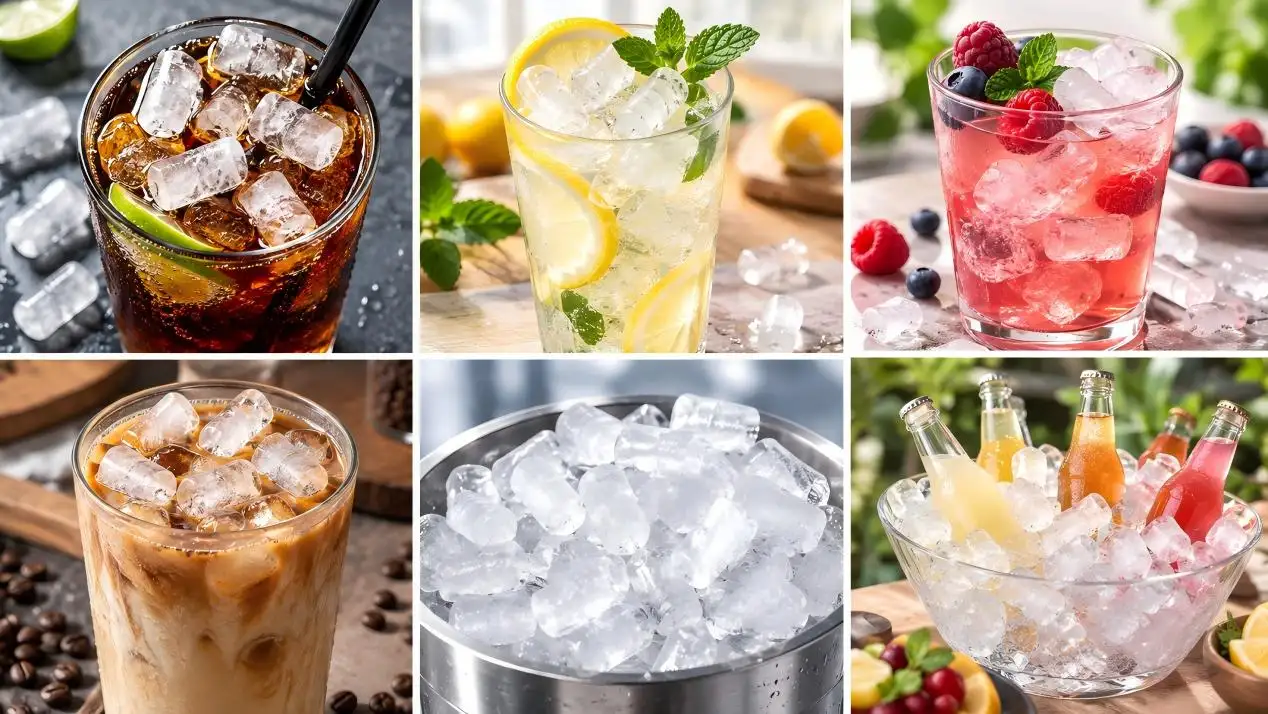
More Than Ice Production — The Ice Itself Shapes the Consumer Experience When sourcing a nugget ice maker, buyers often focus first on production capacity, water tank size, ice basket ...

Ice Maker Sourcing Guide: How to Find the Right Factory
2026-09-10
BY YUMYTH
Sourcing an ice maker looks straightforward on paper. Find a supplier, agree on a price, place an order. But anyone who has actually done this knows the process is rarely ...