
Clog Resistant Slushie Machine: What Causes Clogs and How to Avoid Them
Share:
-

-

-

-


Copied

Share:
-
-
-
-
Copied
Buying a clog resistant slushie machine matters more than most buyers realize until they are staring at a machine locked solid mid-party, the auger frozen in place and nothing moving through the dispense valve. Clogs are not just frustrating — they can stall the motor, damage internal components, and in some cases void the warranty if the machine trips an overload protector.
The good news is that clogs are not random. They have specific causes, and machines built to address those causes directly handle them far better than basic designs. This guide covers exactly why slushie machines clog, what mechanical features prevent it, how your recipe affects the risk, and which machines are genuinely worth trusting on this front.
Why Slushie Machines Clog in the First Place
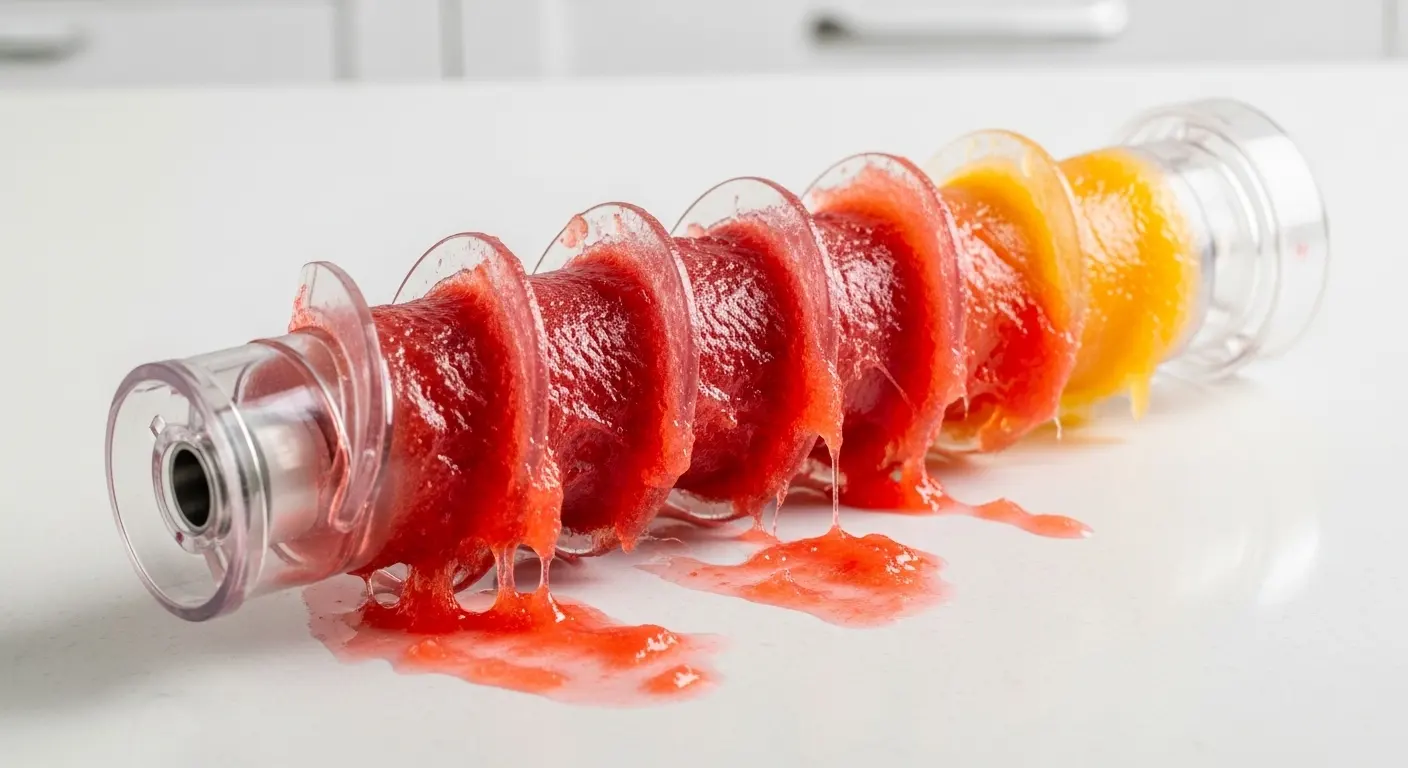
Understanding why clogs happen is the fastest route to avoiding them — whether you are buying your first machine or troubleshooting one you already own.
Over-Freezing the Mix
The most common cause of a clogged slushie machine is simple: the mix gets too cold, the ice formation accelerates past the auger's ability to keep pace, and the contents seize in the chamber. This happens when the temperature setting runs too low for the recipe, when the machine runs unattended for too long past the ideal texture window, or when the compressor does not have a monitoring system to back off cooling as the mix thickens.
A clog from over-freezing is effectively an ice block forming around the auger. On machines without intelligent temperature monitoring, this can happen within minutes of hitting the target slush consistency if the cooling continues unchecked.
High-Pulp or Thick Liquid Ingredients
Fruit pulp, fiber-heavy juices, blended smoothie bases, and thick syrups create a different type of clog — one caused by physical obstruction rather than over-freezing. Pulp and solids collect at the auger threads, compress between the auger and the chamber wall, and eventually create enough resistance to stall rotation.
Standard machines with a fixed-direction auger have no mechanism to dislodge this buildup. The auger pushes harder against the obstruction, which increases motor load, and eventually the machine either trips protection or stops entirely. In contrast, a clog resistant slushie machine with auto-reverse mixing can change rotation direction to break up the obstruction before it solidifies into a full blockage.
Auger Stall Under Load
High-viscosity mixes — thick milkshakes, dense fruit blends, or near-frozen slush — create significant resistance against the auger. If the motor is undersized for the load or the auger cannot reverse to redistribute the mix, it stalls. An auger stall under sustained load generates heat in the motor, which triggers the thermal overload protection. The machine shuts down, the mix continues to freeze, and restarting becomes difficult until the chamber thaws partially.
Blocked Dispense Valve
A separate but equally frustrating clog point is the dispense valve — the spout where your drink comes out. Sugar residue crystallizes in the valve channel between uses if it is not rinsed. Over-frozen mix can also jam the valve open or closed during operation. Machines with a removable, wide-bore dispense valve design are much easier to clear than those with narrow fixed channels.
What Makes a Slushie Machine Clog Resistant?
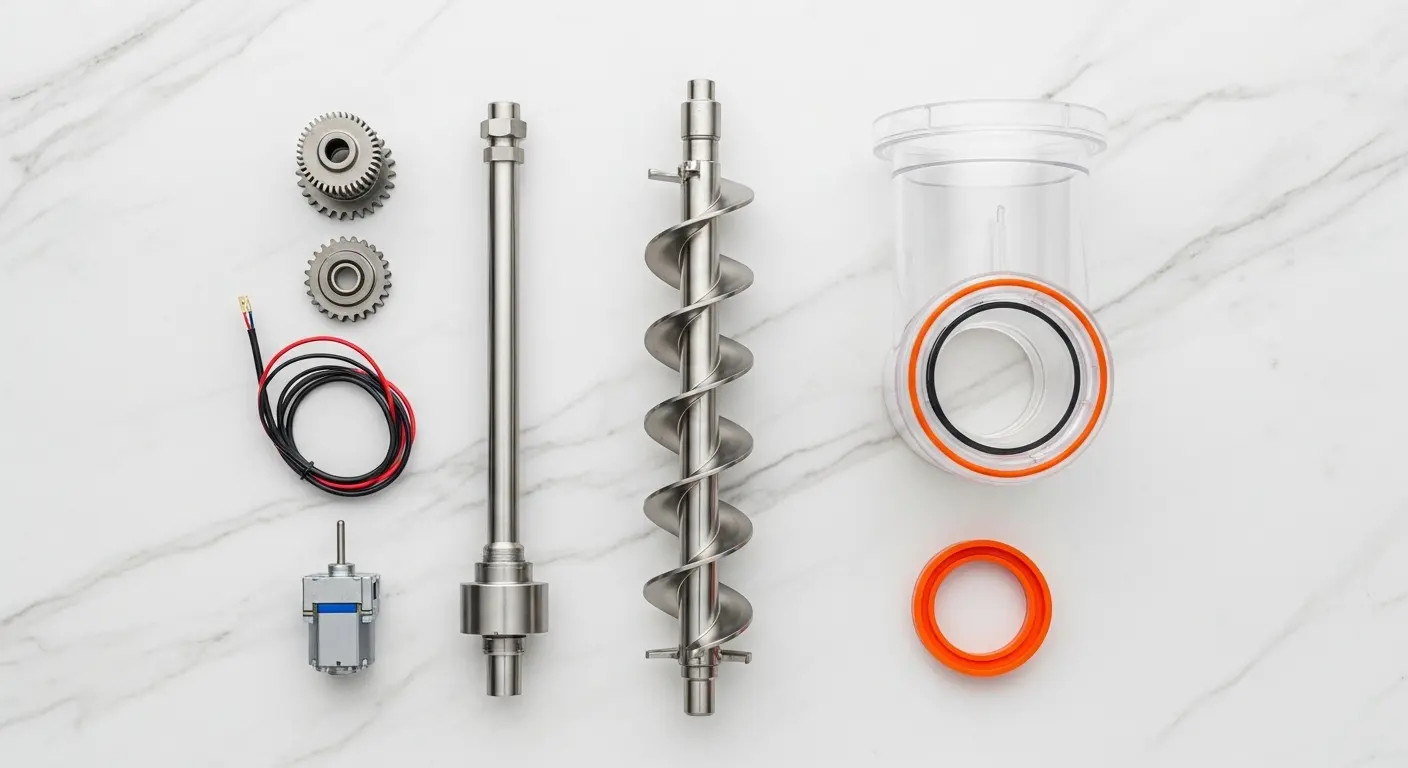
These are the specific design features that separate machines that handle clog risk well from those that do not.
Intelligent Auger Reversal with Jam Protection
This is the most important anti-clog feature in a modern slushie machine. An intelligent auger reversal system monitors the resistance on the mixing rod in real time. When that resistance increases past a threshold — caused by over-thick mix, pulp buildup, or early freeze seizure — the system does two things: it reverses the auger direction to redistribute the mix, and if the stall is severe enough, it activates jam protection: the auger stops, the system pauses briefly, and then restarts automatically.
This three-step response — detect, reverse, restart — prevents the vast majority of clogs that would otherwise require manual intervention. For a clog resistant slushie machine, this feature is the single most effective engineering solution available in home-use models.
Dispense Valve Design
A wide-bore, removable dispense valve dramatically reduces the risk of crystallized residue creating a blockage between uses. Machines with narrow fixed valves accumulate dried sugar in the channel and eventually build enough obstruction to restrict or completely block flow. A removable valve can be rinsed after each use, eliminating that buildup before it starts.
Temperature and Consistency Monitoring
Machines that monitor both temperature and liquid volume can adjust the cooling cycle dynamically — backing off compressor output as the mix reaches the target consistency, rather than continuing to cool past that point. This prevents the over-freezing that causes the most common type of auger clog. Specifically, machines with six-stage texture control give the user direct input on how thick the mix should go, which reduces the risk of accidentally running past the safe consistency window.
Mix Compatibility Range
Some machines are rated for a wider range of liquid types than others. Machines designed to handle milkshakes, coffee-based drinks, and alcohol-based cocktails — not just basic juice slush — need to handle a much wider viscosity range without clogging. Checking whether a machine specifies compatibility with dairy, alcohol, and thick syrups tells you whether the mixing and valve system is designed for that range.
Clog Resistant Slushie Machine: Top Models That Handle It Well
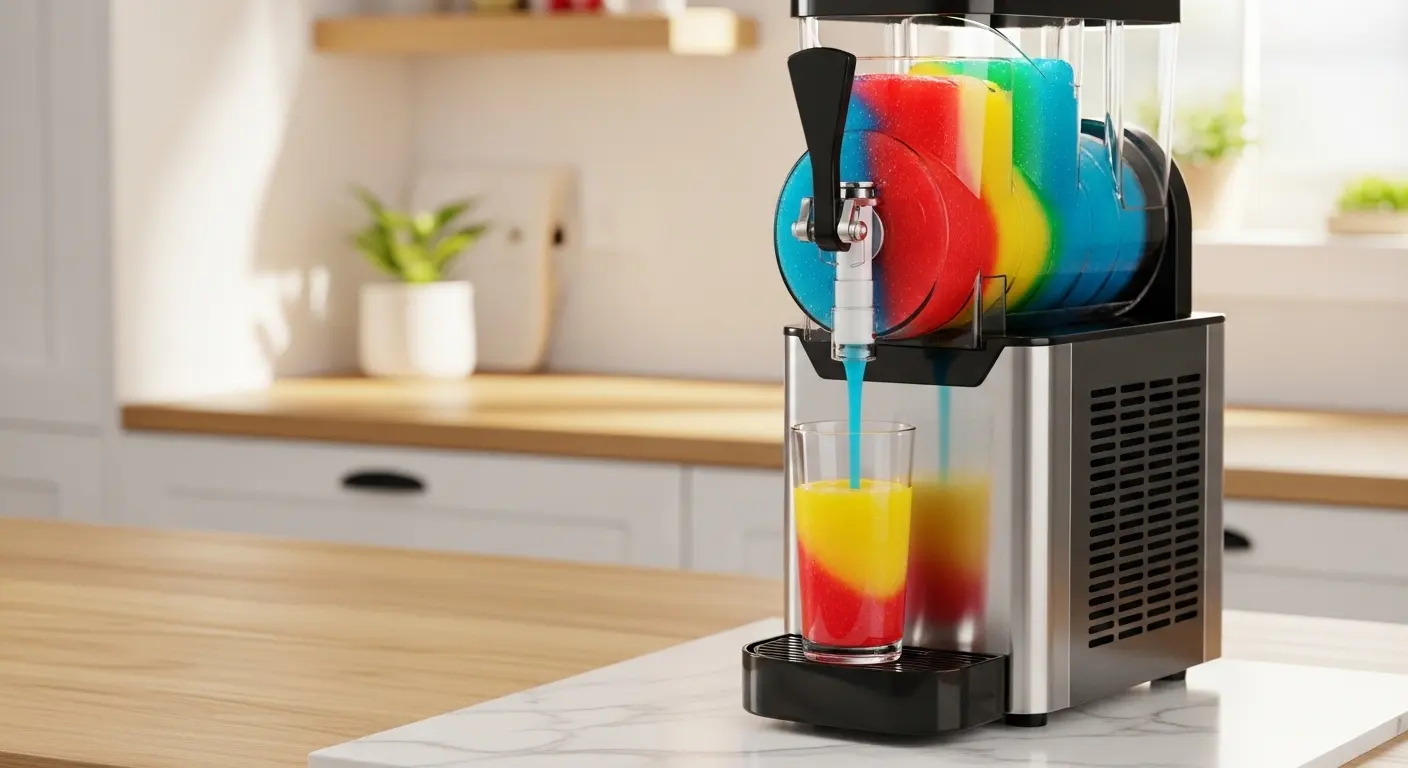
These machines specifically address clog resistance through documented mechanical design — not just product descriptions.
Yumyth Mini Slush Machine (YX1801)
The Yumyth Mini Slush Machine has one of the most directly relevant anti-clog systems available in a home-use model. The intelligent auger reversal system monitors liquid volume and temperature continuously, adjusting rotation speed and direction as conditions change. When resistance builds — from over-thick mix, ingredient buildup, or early freeze — the auger reverses direction automatically to redistribute the contents.
The jam protection layer goes further: if an auger stall is detected, the system shuts down, pauses, and restarts automatically after a short interval. In most cases, this resolves the clog without any manual intervention. The 6-stage texture control system lets you set a target consistency and hold it — rather than running the machine unattended past the safe slush window.
Six preset programs (Slush, Wine, Milkshake, Cocktail, Coffee, Custom) cover the full range of mix types, and the machine is rated for dairy, alcohol, and thick syrups — meaning the mixing and valve design handles that viscosity range by design, not by accident.
Yumyth Slush and Ice Cream Maker (YX1802)
The Yumyth Slush and Ice Cream Maker applies the same intelligent auger reversal and jam protection system in a machine that also handles soft ice cream textures. Dairy-based mixes are significantly thicker than juice-based slush — making clog resistance even more relevant in ice cream mode. The six texture levels and real-time temperature monitoring give the machine precise control over how dense the mix becomes before the cooling cycle adjusts.
For households using one machine across both slush drinks and dairy-based frozen desserts, the clog resistant design in this model handles both use cases without recipe-specific adjustments. For a full breakdown of how slush machines and ice cream machines compare on design and everyday performance, the ice cream vs slush machine guide covers both categories in detail.
Ninja SLUSHi FS301
The Ninja SLUSHi uses SlushAssist Technology — a mixing coordination system that monitors the cycle and adjusts auger behavior to maintain smooth, consistent slush without over-freezing. It handles juice, cocktails, frappes, and milkshakes across its five preset programs, and the wide dispense valve reduces valve clogging. The auto-clean cycle flushes internal channels between uses, which directly prevents residue buildup in the valve and mixing chamber.
GARVEE 68oz Slushie Machine
The GARVEE machine features a self-monitoring freeze system with RapidChill technology that manages freeze speed to avoid over-freezing — one of the primary clog causes. The one-touch auto-clean function helps prevent dispense valve blockages from dried sugar residue between sessions. At 150W and a compact footprint, it is sized for home use while including the monitoring features that most budget machines skip.
How Your Recipe Affects Clog Risk
Even the best clog resistant slushie machine can be pushed beyond its design range by the wrong recipe. Here is what actually matters in the mix.
Sugar content is the biggest factor. Sugar lowers the freezing point of liquid, which is why slush machines can produce a semi-frozen texture at all — pure water would freeze solid before the auger could turn. Diet or zero-sugar drinks do not have enough dissolved solids to stay semi-frozen; they freeze hard and clog every time. A minimum sugar content of around 10–14% is the practical baseline for most home slushie machines.
Alcohol content affects freezing too. Alcohol further lowers the freezing point, which is why pure spirits will not freeze at all in a home machine. For cocktail slushies, the total alcohol content should stay at or below roughly one tablespoon per 12oz serving to keep the mix in the semi-frozen zone. Too much alcohol keeps the mix too liquid; too little of the right combination causes uneven freeze and auger strain.
Pulp and solids are a direct clog risk. Fresh-squeezed juice with high pulp, smoothie bases with fruit fiber, and thick blended syrups all increase the physical obstruction risk at the auger. For pulp-heavy recipes, strain the liquid before use or dilute with a higher-sugar liquid to reduce viscosity and fiber content. On machines with auto-reverse mixing, this risk is managed — but even those machines work better with pre-strained ingredients.
Pre-chilling your liquid matters. Starting with room-temperature liquid forces the compressor to do more initial cooling work, which can cause uneven freeze zones and early auger strain. Starting with refrigerator-cold liquid — around 35–40°F — gives the machine a head start and keeps the freeze cycle even from the beginning.
How to Clear a Clog If One Happens
Even on a well-designed clog resistant slushie machine, a severe mix error can still cause a blockage. Here is how to handle it without damaging the machine:
- Stop the machine immediately — do not force the auger to continue running against a hard clog; sustained resistance at stall generates heat in the motor
- Wait 5–10 minutes — letting the chamber warm slightly will soften the frozen blockage without fully melting the batch; most machines with jam protection do this automatically
- Activate the restart or run a short cycle — on machines with jam protection, the automatic restart handles this; on others, starting a short cycle after the wait period usually clears the blockage as the mix softens
- Check the dispense valve — if the valve is blocked, remove it if possible, rinse under warm water, and clear any crystallized residue from the channel before reinstalling
- Assess the recipe — if the clog happened quickly, the sugar content is likely too low, the alcohol content too high, or the pulp too thick; adjust the mix before the next batch
- Run the rinse cycle after clearing — flush the internal chamber after any clog event to clear residue from the auger threads and valve channel
For households using frozen drink mixes prepared in advance, proper storage between uses reduces ingredient degradation that can increase clog risk. The vacuum sealers guide covers how vacuum sealing keeps pre-made slush mixes fresh and at consistent viscosity between sessions.
Clog Resistant Design vs. Standard Design: A Direct Comparison
| Feature | Clog Resistant Design | Standard Design |
|---|---|---|
| Auger reversal | Automatic, resistance-triggered | Fixed direction only |
| Jam protection | Detects stall, auto-restarts | Manual restart required |
| Temperature monitoring | Real-time, adjusts cooling rate | Fixed cooling cycle |
| Dispense valve | Wide-bore, removable | Narrow, fixed |
| Mix compatibility | Wide range (dairy, alcohol, syrup) | Juice/syrup focus |
| Over-freeze risk | Low — system backs off at target | Higher — cooling continues unchecked |
| Recovery from clog | Automatic in most cases | Manual intervention needed |
Above all, the gap between these two designs shows up specifically in multi-hour use — parties, gatherings, or commercial-style events where the machine runs through multiple batches without supervision. A standard machine requires more monitoring; a clog resistant slushie machine handles variation in mix, load, and temperature without constant attention.
For those exploring semi-commercial or event-scale setups, the industry insights section covers how anti-clog design has moved from premium feature to baseline expectation across the frozen drink machine category.
If your setup includes a dedicated ice-making appliance alongside your slushie machine, the ice makers buying guide covers compatible ice appliances that pair well with home frozen drink stations.
Frequently Asked Questions
What causes a slushie machine to clog?
Slushie machine clogs are caused by four main factors: over-freezing the mix past the auger's ability to keep it moving, high-pulp or thick ingredients creating physical obstruction at the auger, an auger stall under high-viscosity load, or dried sugar residue blocking the dispense valve. Most clogs come from over-freezing, which is why temperature monitoring and auger reversal systems are the most effective prevention tools.
What is the best clog resistant slushie machine for home use?
The Yumyth Mini Slush Machine and Yumyth Slush and Ice Cream Maker both include intelligent auger reversal with automatic jam protection — a system that detects stalls, reverses direction to clear the blockage, and restarts automatically. For home use, these two models offer the most directly relevant clog resistance engineering available at their price points. The Ninja SLUSHi is another strong option with SlushAssist Technology managing the mixing cycle continuously.
Can I use fresh fruit juice in a slushie machine without clogging?
Yes, but with caution. Fresh-squeezed juice with high pulp increases the clog risk significantly. For best results, strain pulp-heavy juice before use and ensure the sugar content is at least 10–12% to keep the mix in the semi-frozen zone. On machines with auger reversal, small amounts of pulp are handled by the reversal cycle — but pre-straining still produces better texture and less machine strain.
Does alcohol cause slushie machine clogs?
Alcohol itself does not cause clogs — it actually lowers the freezing point, which means high-alcohol mixes stay too liquid rather than freezing solid. The clog risk with alcoholic drinks comes from getting the ratio wrong: too little alcohol combined with high sugar can cause over-freezing, while too much alcohol can cause uneven freeze zones that create texture inconsistency rather than a full clog. Keep alcohol content at or below approximately one tablespoon per 12oz serving for predictable results.
How do I prevent the dispense valve from clogging between uses?
Rinse the dispense valve after every use before sugar residue dries and crystallizes in the channel. On machines with a quick rinse cycle, activating it immediately after the last serving flushes residue from both the internal chamber and the valve channel. For machines with a removable valve, detaching it for a separate rinse once a day fully eliminates the buildup risk.
Related Articles
How We Test Every Ice Maker Before Packaging
2026-09-15
BY YUMYTH
A step-by-step look at refrigerant handling, cooling verification, leak detection, corrective action and electrical safety testing For an ice maker, reliable performance is determined long before the carton is sealed. ...
Guide for Brands Looking for a Reliable Vacuum Sealer OEM Supplier
2026-09-14
BY YUMYTH
When you are sourcing kitchen appliances for your retail brand, finding a dependable vacuum sealer OEM supplier is rarely just about getting the lowest unit price. It is about protecting ...
Why Ice Shape Matters: Understanding 10mm × 15mm Cylindrical Nugget Ice
2026-09-14
BY YUMYTH
More Than Ice Production — The Ice Itself Shapes the Consumer Experience When sourcing a nugget ice maker, buyers often focus first on production capacity, water tank size, ice basket ...

Ice Maker Sourcing Guide: How to Find the Right Factory
2026-09-10
BY YUMYTH
Sourcing an ice maker looks straightforward on paper. Find a supplier, agree on a price, place an order. But anyone who has actually done this knows the process is rarely ...