
Low Noise Slushie Machine: The Complete Guide to Quiet Frozen Drinks at Home
Share:
-

-

-

-


Copied

Share:
-
-
-
-
Copied
A low noise slushie machine matters more than most buyers realize until they've used a loud one. Nothing disrupts a dinner party conversation, a movie night, or a child's nap time quite like a machine grinding away at full volume in the background. The right quiet slushie machine delivers perfect frozen drinks without becoming the loudest thing in the room. This guide covers exactly what causes machine noise, which designs run quietest, and how to choose the best low noise option for your home.
How Loud Is a Typical Slushie Machine?
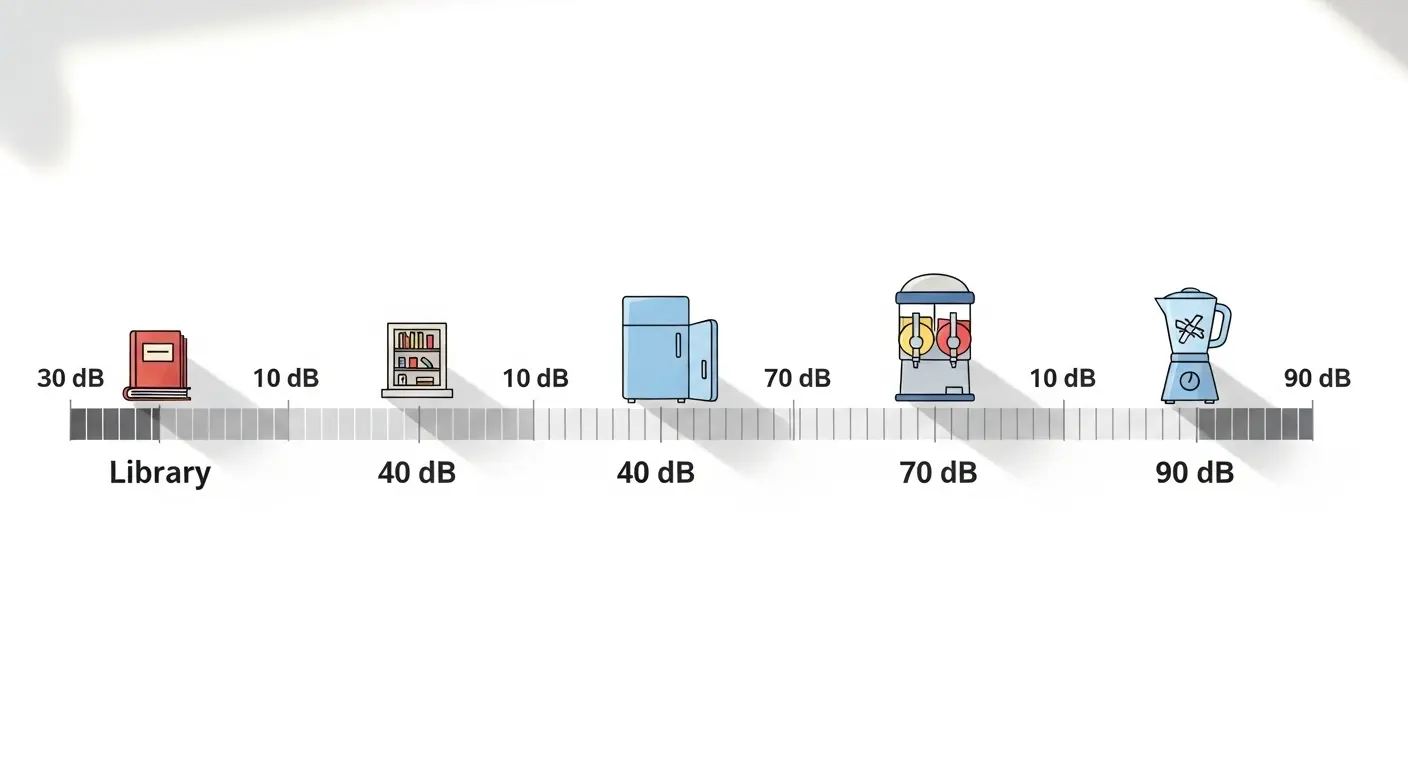
A typical home slushie machine operates at 40–65 dB depending on the cooling method and motor quality. Pre-freeze bowl machines are the quietest at 35–45 dB — similar to a quiet library. Compressor-based machines run at 45–60 dB, comparable to a refrigerator hum or moderate rainfall. Blender-style frozen drink machines are the loudest at 75–90 dB.
For context, here's how these levels compare to everyday sounds:
| Noise Level (dB) | Comparison | Slushie Machine Type |
|---|---|---|
| 30–35 dB | Whisper, quiet bedroom | Below most machines |
| 35–45 dB | Quiet library, soft hum | Pre-freeze bowl machines |
| 45–55 dB | Refrigerator, moderate office | Good compressor machines |
| 55–65 dB | Normal conversation | Standard compressor machines |
| 75–90 dB | Blender, loud traffic | Blender-style frozen drink makers |
The practical takeaway: if you want a machine that runs in the background without interrupting conversation, target pre-freeze bowl machines or premium compressor models rated under 50 dB.
What Causes Noise in a Slushie Machine?
Slushie machine noise comes from three primary sources: the compressor motor, the paddle mechanism, and vibration transfer to the countertop surface. Understanding each source helps you identify which machines minimize noise effectively and which design decisions contribute to quieter operation.
The Compressor Motor
The compressor is the dominant noise source in compressor-based machines. It cycles on and off to maintain temperature — producing the characteristic low hum that runs continuously during operation. Higher-quality compressors with better vibration dampening run significantly quieter than budget units.
Pre-freeze bowl machines eliminate this noise source entirely because they have no compressor — the cold energy is stored in the frozen bowl before the machine even starts.
The Paddle Mechanism
The rotating paddle produces a soft agitation sound as it moves through the liquid mix. This sound changes as the mix thickens — lighter liquid produces minimal sound, while thicker slush creates more audible resistance. Well-designed paddle mechanisms with quality bearings produce a smooth, consistent sound rather than grinding or rattling noise.
Vibration Transfer
Even a quiet motor produces vibration that transfers to the countertop surface, amplifying perceived noise significantly. Machines with rubber feet, vibration-dampening bases, or heavier build quality transfer far less vibration — and sound noticeably quieter even if the motor specs are identical.
Which Type of Slushie Machine Is the Quietest?
Pre-freeze bowl slushie machines are definitively the quietest type. Without a compressor, they produce only the soft sound of the paddle turning — typically 35–45 dB. Compressor machines are significantly louder but still far quieter than any blender-style machine. For noise-sensitive environments, pre-freeze bowl models are the clear choice.
| Machine Type | Average Noise Level | Compressor Noise | Paddle Noise | Best For |
|---|---|---|---|---|
| Pre-freeze bowl | 35–45 dB | None | Minimal | Quiet indoor use, apartments |
| Quality compressor | 45–55 dB | Low hum | Minimal | General home use |
| Standard compressor | 55–65 dB | Moderate hum | Moderate | Kitchen, outdoor use |
| Blender-style frozen drink | 75–90 dB | None | Loud motor | Tolerant of noise |
For a quiet home setup that still produces excellent frozen drinks, the Yumyth Mini Slush Machine offers compact, low-noise operation designed for home environments — producing slush without the aggressive noise of larger commercial or blender-style alternatives.
Why Does Noise Matter More for Indoor Entertaining?
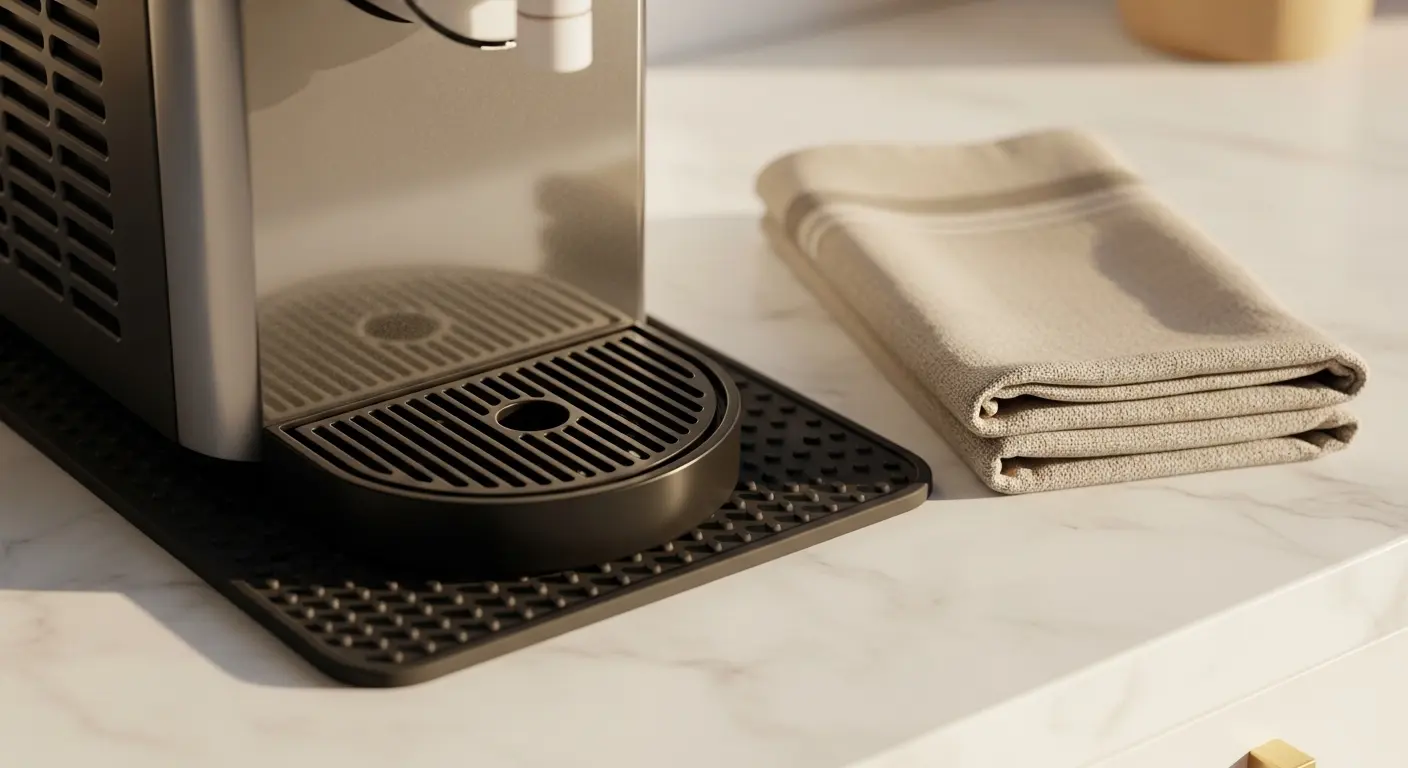
Indoor entertaining amplifies every appliance noise in a way outdoor parties don't. A machine running at 55 dB in an open backyard is barely noticeable. The same machine in a kitchen or living room during a dinner party is a persistent distraction that interrupts conversations and forces guests to raise their voices.
The situation is even more significant in specific scenarios:
- Apartments and condos — Thin walls mean machine noise travels to neighbors
- Evening parties — Quieter ambient environment makes every decibel more noticeable
- Kids' gatherings — Loud machines startle young children and can disrupt nap-adjacent timing
- Home cinema nights — Any background hum competes with audio
- Open-plan homes — Kitchen noise carries directly into living and dining areas
A low noise slushie machine running at 40–45 dB blends into the background at any indoor event. You hear it only if you specifically listen for it — which is exactly what you want from an appliance that runs for hours.
What Design Features Make a Slushie Machine Quieter?
The quietest slushie machines share specific design features that reduce noise at the source and prevent vibration amplification. These features are worth specifically checking when comparing models.
Noise-reducing design features:
- Rubber anti-vibration feet — Prevents countertop resonance; often the single most impactful noise reducer
- Enclosed motor housing — Surrounds the motor with sound-dampening material
- Quality bearings in the paddle mechanism — Smooth rotation eliminates grinding and rattling
- Heavy base construction — Mass absorbs vibration rather than transmitting it
- Pre-freeze bowl design — Eliminates the compressor noise source entirely
- Tight-fitting lid — Reduces the sound of liquid agitation escaping the bowl
- DC motor (vs. AC motor) — DC motors typically run quieter and smoother at lower speeds
When comparing machines, rubber feet and bowl design (pre-freeze vs. compressor) are the two most impactful features you can verify before purchasing.
How Do You Reduce Slushie Machine Noise Without Buying a New Machine?
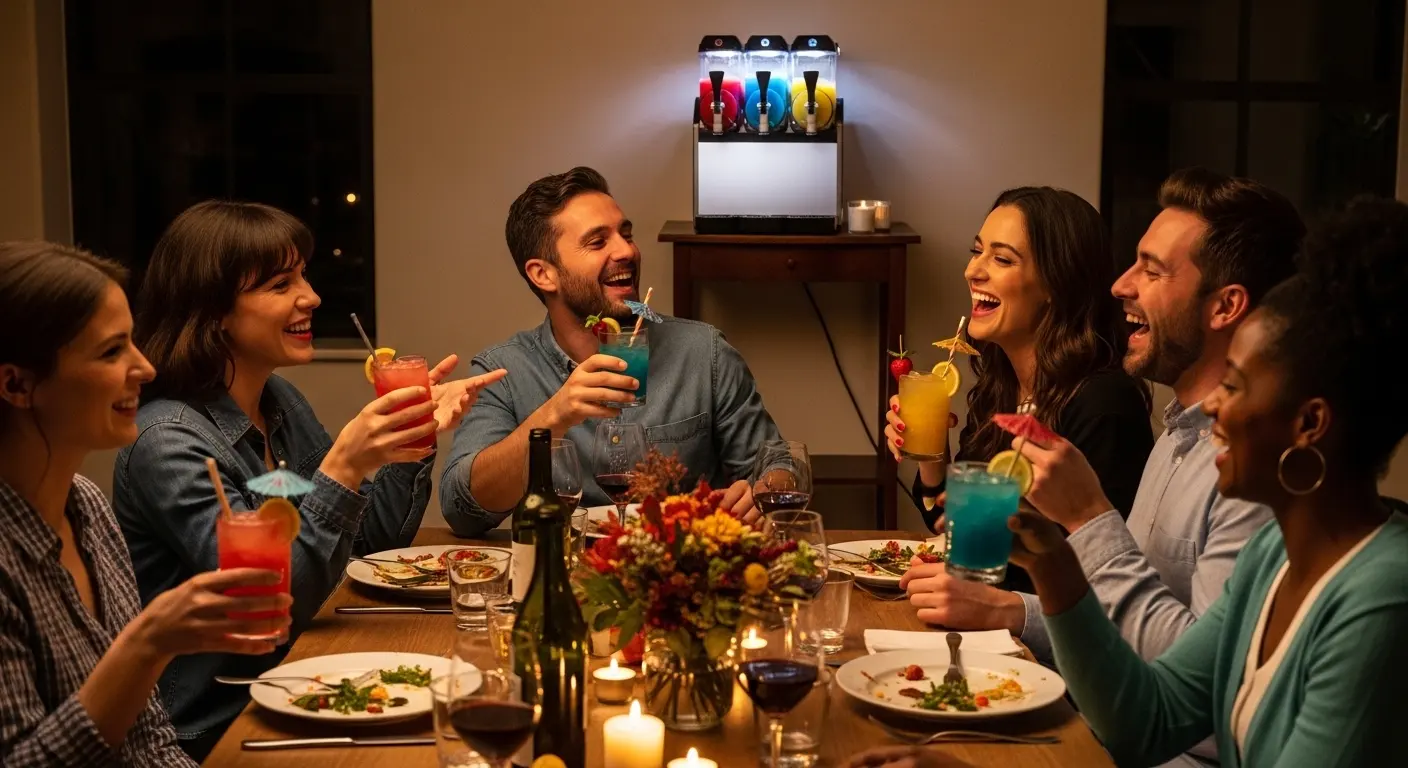
You can meaningfully reduce the noise of any slushie machine through simple placement and accessory choices that cost almost nothing. These techniques work for both pre-freeze bowl and compressor machines.
Practical noise reduction techniques:
- Place a silicone mat or folded kitchen towel underneath — This single step reduces countertop vibration resonance by 30–50% on most machines
- Position on a heavy, solid surface — Marble or granite countertops absorb vibration; hollow wood surfaces amplify it
- Move the machine away from wall corners — Corner placement amplifies sound through acoustic reflection
- Keep the machine away from tile backsplashes — Hard reflective surfaces bounce sound back into the room
- Ensure all parts are properly seated — Loose lids, slightly misaligned bowls, or improperly attached paddles create additional rattling noise
- Keep the bowl at least 50% full — Low liquid levels cause the paddle to work harder and louder against thicker slushTip: A simple anti-vibration mat — the same type used under washing machines, available for under $10 — placed beneath your slushie machine reduces perceived noise by 40–60% on most home machines. It's the cheapest and most effective noise upgrade you can make without changing the machine itself.
Is a Pre-Freeze Bowl Machine Always Quieter Than a Compressor Machine?
Yes — pre-freeze bowl machines are consistently quieter than compressor machines because they have no compressor motor generating continuous noise. The only sound a pre-freeze bowl machine produces is the soft paddle rotation and minor liquid agitation, typically 35–45 dB. Compressor machines add a constant motor hum on top of that.
However, pre-freeze bowl machines come with the trade-off of requiring 12–16 hours of freezer pre-preparation before each use. For spontaneous use or back-to-back party batches, a compressor machine — even a noisier one — may be the more practical choice.
Choosing between quiet and convenient:
- Noise is the priority → Pre-freeze bowl machine (35–45 dB, requires planning)
- Convenience is the priority → Quality compressor machine (45–55 dB, ready anytime)
- Both matter equally → Premium compressor machine with vibration dampening (45–50 dB)
For most home users where parties are planned in advance, a pre-freeze bowl machine gives you the quietest possible operation with no acoustic compromise.
How Quiet Is a Slushie Machine Compared to a Blender?
A slushie machine is dramatically quieter than a blender for frozen drinks. A standard kitchen blender operating with ice runs at 80–90 dB — loud enough to interrupt conversation at the other end of a room and require raised voices. A pre-freeze bowl slushie machine runs at 35–45 dB. That's a difference of 35–55 dB, which in acoustic terms represents the difference between a whisper and a shout.
This comparison alone justifies the purchase for many hosts. If you've ever had a party conversation interrupted by someone blending a frozen cocktail, you understand immediately why a dedicated low noise slushie machine changes the hosting experience.
| Appliance | Operating Noise | Conversation Impact |
|---|---|---|
| Pre-freeze bowl slushie machine | 35–45 dB | None — unnoticeable |
| Quality compressor slushie machine | 45–55 dB | Minimal — background hum |
| Standard compressor slushie machine | 55–65 dB | Slight — noticeable in quiet rooms |
| Kitchen blender with ice | 80–90 dB | Significant — interrupts conversation |
| Commercial slush machine | 60–70 dB | Moderate — background noise |
For anyone prioritizing the social atmosphere of their home entertaining, this noise comparison makes the slushie machine versus blender decision straightforward.
For a broader look at how slush machines compare to other frozen appliance types — including ice cream makers and their noise profiles — the ice cream vs. slush machines guide on Yumyth provides a detailed comparison of each category's practical characteristics.
What Are the Quietest Scenarios to Use a Slushie Machine?
Some environments demand the absolute quietest slushie machine operation possible. In these scenarios, every design choice and placement decision matters.
Highest noise-sensitivity scenarios:
- Home office during work hours — A machine running at 55 dB noticeably impacts concentration
- Baby or young child in the house — Any rhythmic mechanical sound risks waking sleeping children
- Small apartment with thin walls — Compressor hum can travel through walls to neighbors, especially at night
- Evening dinner parties — Lower ambient noise makes every appliance more audible
- Home cinema or media room — Background hum competes directly with dialogue and music
For all of these scenarios, a pre-freeze bowl machine is definitively the right choice. The planned preparation requirement is a minor inconvenience against the meaningful noise benefit.
The Yumyth Slush and Ice Cream Maker uses a pre-freeze bowl design — producing both slushies and soft-serve ice cream at the quiet end of the noise spectrum, making it well-suited for indoor home environments where noise matters.
How Does a Low Noise Slushie Machine Affect the Party Experience?
A low noise slushie machine changes the quality of your events in ways that extend well beyond the drinks themselves. When the machine runs quietly in the background, it becomes part of the atmosphere rather than a disruption to it. Guests gather around the slushie station, serve themselves, and continue their conversations uninterrupted — exactly the experience great hosting creates.
Contrast this with a loud machine: guests hesitate to approach it during conversations, hosts feel awkward apologizing for the noise, and the machine's presence becomes a negative rather than a positive. The drink quality can be identical — but the experience is fundamentally different.
At evening indoor parties especially, a machine operating at 40–45 dB is genuinely unnoticeable under normal conversation. Guests often don't realize it's even running until they see the slushy bowl or someone dispenses a drink.
What Are the Best Low Noise Slushie Machines in 2026?
| Machine | Noise Level | Cooling Type | Capacity | Best For | Price |
|---|---|---|---|---|---|
| Yumyth Mini Slush Machine | ~40 dB | Pre-freeze bowl | ~0.9L | Quiet personal/indoor use | Budget |
| Yumyth Slush & Ice Cream Maker | ~42 dB | Pre-freeze bowl | ~1.5L | Quiet home entertaining | Mid-range |
| Nostalgia Slushie Maker | ~40–45 dB | Pre-freeze bowl | 1L | Quiet casual home use | Under $60 |
| VEVOR Dual-Tank Slush Machine | ~55–60 dB | Compressor | 2×3.5L | Higher volume, accepts noise trade-off | $250–$350 |
| Premium quiet compressor models | ~45–50 dB | Compressor | Varies | Quiet + on-demand convenience | $200–$400 |
For the most current expert comparisons of noise levels across home slushie machine models and what's trending in quiet home frozen beverage appliances, the Yumyth industry insights section covers the category in detail.
Does Proper Maintenance Keep a Slushie Machine Running Quietly?
Yes — a well-maintained slushie machine runs measurably quieter than a neglected one. Dried sugar residue creates friction on the paddle mechanism. Worn seals allow vibration to transfer more aggressively. Mineral buildup on compressor components forces the motor to work harder and louder.
Maintenance steps that preserve quiet operation:
- Clean the bowl and paddle thoroughly after every use — sugar residue creates paddle drag
- Inspect the paddle attachment point for wear — loose connections create rattling
- Check rubber feet periodically — worn feet lose their vibration dampening effect
- Descale compressor machines monthly with citric acid solution
- Ensure all parts seat properly before each use — misalignment creates extra noise
Good maintenance also preserves the quality of what you store alongside your machine. Yumyth vacuum sealers keep pre-made slushie mixes and syrups fresh for 3–5 days — reducing how often you need to run the machine for prep work, which in turn reduces total operating noise throughout your week.
If you're building a complete low-noise home frozen drink setup, pairing your quiet slushie machine with a compact countertop ice maker that also runs quietly completes the picture. The Yumyth ice makers guide covers models optimized for home environments, including their noise characteristics.
Is a Low Noise Slushie Machine Worth Prioritizing Over Other Features?
For indoor home use, noise level should rank among your top three buying criteria — alongside capacity and ease of cleaning. Machines that are quiet enough to run during a conversation, a movie, or while children sleep represent a meaningfully better daily experience than louder alternatives with otherwise similar specs.
The good news: the quietest machines — pre-freeze bowl designs — are also typically the most affordable. You don't need to spend more to get quiet operation. You simply need to choose a pre-freeze bowl model and place it on an anti-vibration surface.
For indoor entertaining, personal daily use, apartments, and family homes with young children, a low noise slushie machine isn't a luxury feature — it's the practical choice that you'll appreciate every single time you use it.
Related Articles
How We Test Every Ice Maker Before Packaging
2026-09-15
BY YUMYTH
A step-by-step look at refrigerant handling, cooling verification, leak detection, corrective action and electrical safety testing For an ice maker, reliable performance is determined long before the carton is sealed. ...
Guide for Brands Looking for a Reliable Vacuum Sealer OEM Supplier
2026-09-14
BY YUMYTH
When you are sourcing kitchen appliances for your retail brand, finding a dependable vacuum sealer OEM supplier is rarely just about getting the lowest unit price. It is about protecting ...

Why Ice Shape Matters: Understanding 10mm × 15mm Cylindrical Nugget Ice
2026-09-14
BY YUMYTH
More Than Ice Production — The Ice Itself Shapes the Consumer Experience When sourcing a nugget ice maker, buyers often focus first on production capacity, water tank size, ice basket ...

Ice Maker Sourcing Guide: How to Find the Right Factory
2026-09-10
BY YUMYTH
Sourcing an ice maker looks straightforward on paper. Find a supplier, agree on a price, place an order. But anyone who has actually done this knows the process is rarely ...