
Easy-to-Clean Frozen Drink Makers: Cleaning Features That Save Time After Parties
Share:
-

-

-

-


Copied

Share:
-
-
-
-
Copied
An easy to clean frozen drink maker should have a rinse cycle, removable food-contact parts, smooth tank surfaces, an accessible spout, and a washable drip tray. For post-party cleanup, the best machine is not only the one labeled self-cleaning. Choose one that lets you rinse quickly, disassemble sticky parts, wash seals and spouts, then air-dry everything without fighting hidden residue.
After a party, the fun part is over. The sticky part starts. Frozen cocktails, soda slush, fruit mix, and dairy drinks can cling to the tank, paddle, spout, seal ring, and drip tray. A good cleaning design saves time because it gives you access to the parts that actually get messy. Before buying, look past the outside design and check how the machine comes apart.
What makes a frozen drink maker easy to clean after a party?
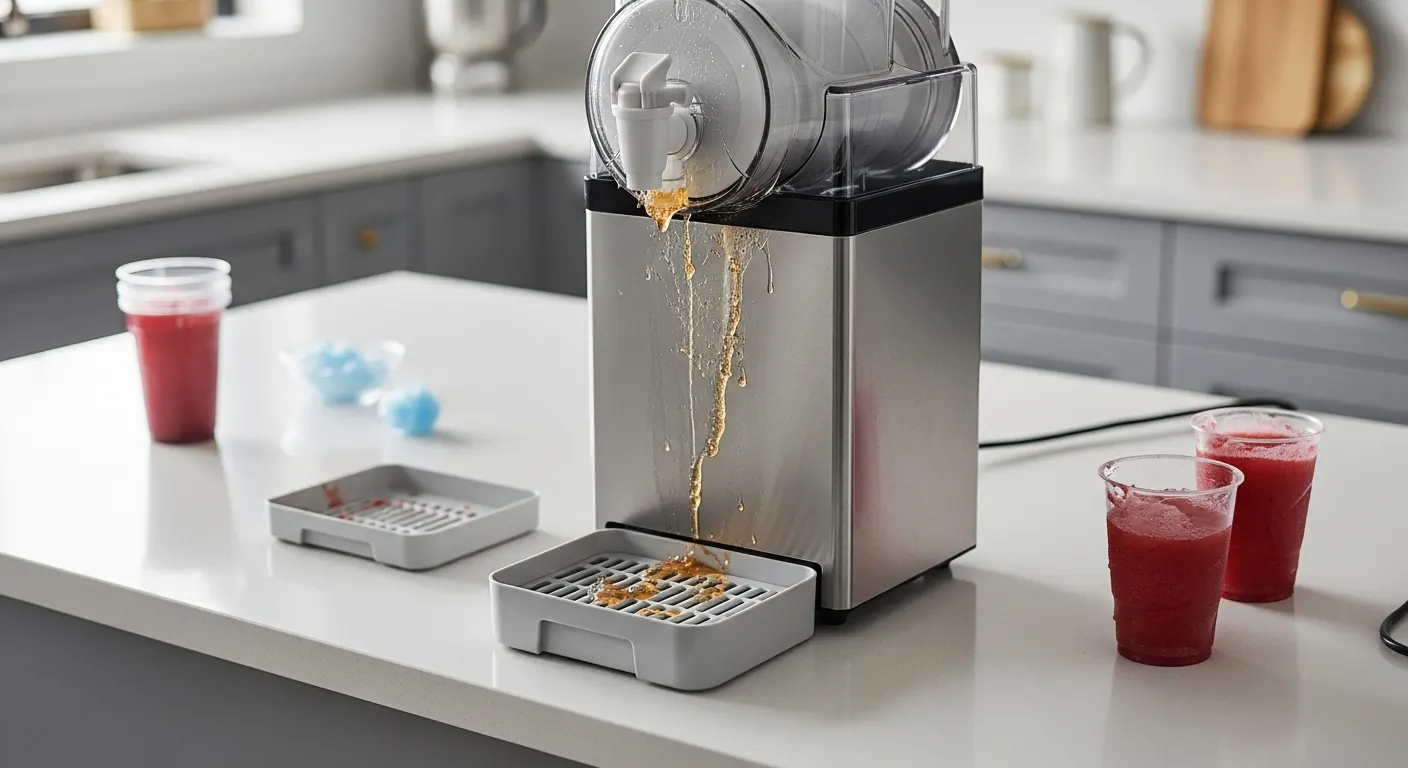
An easy-to-clean frozen drink maker gives you quick access to every sticky contact point: tank, paddle, spout, seal, handle, and drip tray. The best designs combine a rinse cycle with removable parts and smooth surfaces.
The main cleaning problem is not the outside of the machine. It is the sticky drink path inside the unit. Sugar mix, cocktail base, syrup, fruit pulp, and dairy residue can sit in small gaps if the machine does not open up easily.
A rinse cycle helps loosen residue fast, but the real test comes after that. Can you remove the tank? Can you reach the spout? Can you lift out the drip tray without spilling? Can the seal ring come off for washing? Those small details decide whether cleanup takes a few minutes or becomes a late-night scrubbing job.
For a party host, “easy clean” should mean:
- The drink tank is simple to remove or rinse.
- The spout and dispenser area are easy to access.
- Seals, trays, and paddles can be washed properly.
- Smooth surfaces leave fewer places for sugar to dry.
Which cleaning features matter most: rinse cycle, removable parts, or smooth surfaces?
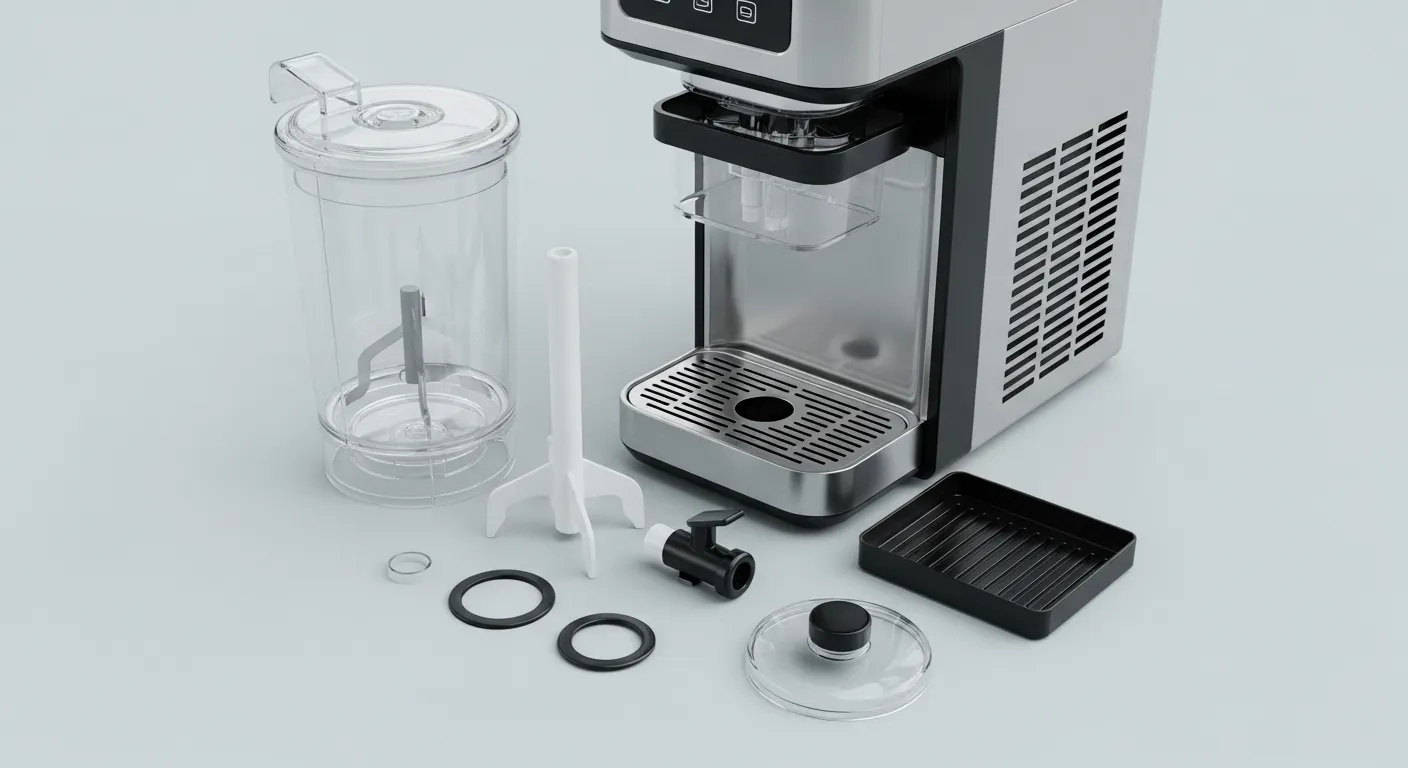
Removable parts matter most for deep cleaning, while a rinse cycle is best for loosening sticky residue right after serving. Smooth tank surfaces and accessible spouts prevent the hidden buildup that slows cleanup.
A rinse cycle is helpful, but it is only the first pass. It pushes water through the drink path and helps loosen sticky mix before it dries. After that, removable parts do the deeper work because they let you clean the spots water alone may not reach.
| Feature | What it does | Why it saves time | What to check before buying | Risk if missing |
|---|---|---|---|---|
| Rinse cycle | Moves water through the drink path | Loosens fresh sugar and syrup residue | Check if it drains through the spout | Sticky mix may dry inside |
| Removable tank | Lets you wash the main drink container | Makes deep cleaning easier | Check size and sink fit | Tank corners may stay sticky |
| Removable spout | Opens the dispenser area | Helps clean hidden drink channels | Check if the spout comes apart | Residue can sit near the outlet |
| Removable seal ring | Lets you clean under the seal | Reduces trapped syrup and odor | Check if the seal is user-removable | Sticky buildup can hide under the rim |
| Dishwasher-safe parts | Allows easier cleaning of accessories | Saves hand-washing time | Check which parts are safe | Fixed parts still need manual care |
| Smooth tank walls | Reduces residue traps | Makes rinsing faster | Look for fewer grooves and edges | Sugar can stick in corners |
| Lift-out drip tray | Catches spills under the spout | Keeps counters cleaner | Check if it lifts out easily | Overflow can become messy |
Food equipment standards often focus on cleanable design, safe materials, and performance. That matters because a frozen drink maker has food-contact parts, meaning the parts that touch drinks. The NSF food equipment standards are useful background for understanding why smooth, accessible, washable surfaces matter.
For YUMYTH buyers comparing product designs, removable cleaning parts are the most important feature group to inspect first.
Where does sticky drink mix hide inside a frozen drink maker?
Sticky drink mix usually hides in the dispenser spout, seal ring, paddle area, tank corners, and drip tray. These areas matter more than exterior style because they decide whether cleanup takes minutes or becomes a scrubbing job.
A frozen drink maker looks clean from the outside long before it is clean inside. The drink tank may rinse out quickly, but syrup can still sit around the dispenser path, under the seal, and near the paddle. These are the areas to inspect after every party.
Spout and dispenser path
The spout handles every serving, so it catches a lot of sugar and drink residue. Frozen margarita mix, cola syrup, and fruit slush can sit inside the channel if the dispenser does not open for cleaning. A removable or easy-access spout is safer for frequent hosts.
Seal ring and tank rim
The seal ring helps stop leaks, but it can also trap sticky liquid. If guests refill the machine several times, mix can splash around the tank rim and settle under the seal. A removable seal ring makes this area easier to clean before odor starts.
Drip tray and catch basin
The drip tray gets messy during real parties. People overfill cups, drinks melt, and thick slush drips after the handle is released. A lift-out drip tray is better than a fixed tray because you can empty and wash it without wiping around the machine base.
A kids’ soda slush night is a good example. Cola and bright syrup may not look messy at first, but the sugar dries fast around the spout and tray. Run water through the machine right after serving, then remove the tray before it becomes sticky.
Is a self-cleaning or rinse cycle enough?
A rinse cycle is useful, but it is not full cleaning. Treat it as step one: run water through the machine, drain the dirty water, then remove washable parts for hand washing or dishwasher cleaning where allowed.
Self-cleaning sounds simple, but many machines use that term for a rinse function. That can still be valuable. It helps flush the tank and drink path before residue dries. It does not always clean under seals, inside spout parts, or around the drip tray.
| Situation | Is rinse cycle enough? | What to do next |
|---|---|---|
| Clear juice slush | Sometimes for first rinse | Remove parts and wash contact areas |
| Frozen margarita mix | No | Clean spout, tank, tray, and seals |
| Soda syrup slush | No | Rinse fast before sugar dries |
| Frozen coffee or frappé | No | Hand wash dairy-contact parts |
| Machine used for several batches | No | Disassemble washable parts after the final batch |
A rinse cycle is not the same as full self-cleaning. It works well when you use it right away, but it is risky if you treat it as the only cleaning step. After thick or dairy drinks, remove the parts that touched the drink and wash them fully.
A frozen coffee night shows the problem clearly. Dairy residue can cling to seals and spout channels. Even if the tank looks clean after rinsing, the seal area may still need hand washing.
What should dishwasher-safe really mean when you compare machines?
Dishwasher-safe parts help, but they do not mean the whole machine goes in the dishwasher. Usually, the label applies only to removable accessories, such as the tank, lid, paddle, drip tray, or detachable spout parts. The motor base and fixed cooling parts still need careful wiping based on the manual.
Check which parts are actually dishwasher-safe before buying. Also check whether heated dry is allowed. Some plastic parts can warp or lose fit if they are washed the wrong way. A large tank can also be awkward if your sink or dishwasher is small.
Use this quick check before you trust the label:
- Which parts are listed as dishwasher-safe?
- Can the spout come apart?
- Is the seal ring removable?
- Will the tank fit in your sink?
- Does the manual limit hot water or heated drying?
The easiest machine to clean is not always the largest one. A big tank helps during parties, but it can slow cleanup if it does not fit easily in the sink or dishwasher.
What surfaces and materials make cleaning faster?
The fastest-cleaning machines use smooth food-contact surfaces, accessible parts, and removable seals or trays. Avoid designs with narrow grooves, fixed spouts, or tank edges that trap sticky sugar mix after serving.
Surface design matters because sticky drinks behave differently from water. Sugar mix clings. Fruit pulp settles. Dairy residue can coat small edges. A smooth tank wall and simple paddle area reduce the places where residue can hide.
Food-contact surfaces should be easy to clean and maintain. The FDA Food Code gives useful food-safety context for cleanable surfaces and equipment care. For buyers, the practical takeaway is simple: choose designs that let you reach the areas that touch drinks.
Material choice also affects cleanup. Look for food-grade parts, smooth plastic or stainless contact areas, and fewer tight grooves. If a machine uses fixed spouts, deep corners, or complex threaded parts, cleaning can take longer after sticky party drinks.
Texture also changes cleanup. Thick frozen cocktails and dairy-style drinks can leave more residue than lighter juice slush. If texture control is part of your buying decision, compare it with cleaning needs using this texture control guide.
Which easy-clean features should party hosts check before buying?
Party hosts should prioritize removable contact parts, a rinse cycle, dishwasher-safe accessories, and a drip tray that lifts out easily. A huge tank is not always better if it is awkward to wash after guests leave.
Before buying, think about the whole party flow. The machine should serve drinks smoothly, then clean up without creating a second job. A home host may need a compact tank that fits the sink. A brand or OEM buyer may care more about detachable parts, food-grade materials, and easy service access.
| Buyer situation | Feature to prioritize | Why it matters | Best decision point |
|---|---|---|---|
| Margarita party host | Removable spout and drip tray | Citrus and sugar residue collect near the outlet | Choose easy-access dispenser parts |
| Kids’ slush night | Rinse cycle | Soda syrup dries fast | Rinse right after serving |
| Frozen coffee drinker | Removable seal and tank | Dairy residue needs deeper washing | Avoid fixed seal designs |
| Small apartment host | Compact removable tank | Large tanks may not fit the sink | Check tank size before buying |
| OEM product buyer | Smooth tank and detachable parts | Easier service and cleaning claims | Request design photos or sample testing |
A product listing may say “easy clean,” but that phrase is too broad. Ask what comes off, what opens, and what needs hand washing. The parts that trap residue are usually the parts buyers forget to inspect.
If you host often, cleaning is only one part of the party experience. You may also want fast freezing features so batches are ready sooner, or quiet party operation if the machine will sit near guests.
For household safety, appliance buyers can also check whether the product category aligns with recognized electrical safety standards such as UL 982 for motor-operated household food preparing machines.
What is the fastest cleanup workflow after a party?
The fastest cleanup flow is: empty leftovers, run the rinse cycle, drain dirty water, remove contact parts, wash sticky seals and spouts, rinse again, and air-dry completely before storing the machine.
Cleanup gets harder when sticky mix dries overnight. Start while the tank is still wet. You do not need to scrub first. The goal is to loosen residue, drain it, then wash the parts that hold hidden syrup or dairy film.
Use this checklist after the last drink is served:
- Turn off the machine and empty leftover drink mix.
- Add clean water based on the product manual.
- Run the rinse or cleaning cycle if the machine has one.
- Drain the dirty water through the spout.
- Remove the tank, lid, paddle, seal, spout parts, and drip tray where allowed.
- Wash removable food-contact parts by hand or dishwasher if approved.
- Scrub the spout and seal area gently with a soft brush.
- Rinse all washed parts with clean water.
- Wipe the machine base with a damp cloth, keeping water away from electrical areas.
- Air-dry every part before reassembly or storage.
A two-batch frozen margarita party shows why this order works. The first rinse clears loose sugar and citrus mix. The hand wash then targets the spout, seal, and tray where sticky residue remains.
What cleaning mistakes make frozen drink makers harder to maintain?
The biggest mistake is letting sticky drink mix sit overnight. Sugar and dairy residue become harder to remove when they dry. Clean the machine right after use, even if you only have time for a quick rinse before deeper washing.
Another mistake is trusting the rinse cycle as the full cleaning step. It helps, but it cannot always reach under seals or inside removable spout parts. If the machine served frozen coffee, milkshakes, or creamy drinks, wash every dairy-contact part before storage.
Avoid these habits:
- Leaving syrup or cocktail mix in the tank after the party.
- Ignoring the drip tray because the tank looks clean.
- Storing parts before they are fully dry.
- Using hot water on parts that are not rated for it.
- Scrubbing clear plastic with harsh pads that can scratch the surface.
Scratches and grooves can collect more residue over time. Keep the cleaning process gentle, but do it fully. A clean machine is easier to use next time and less likely to smell after storage.
Getting the Next Step Right
Choose an easy to clean frozen drink maker by checking the parts guests will actually make messy: the tank, spout, seal, paddle, handle, and drip tray. Do not buy based on a rinse button alone. A rinse cycle saves time, but removable parts and smooth surfaces decide how clean the machine gets after the party.
Before choosing a model, picture your real use case. Frozen margaritas, soda slush, frozen coffee, and kids’ drinks all leave different residue. Pick the machine that fits your sink, your drink style, and your cleanup patience.
Frequently Asked Questions
How do you clean a slushie machine?
Clean a slushie machine by emptying leftover drink, running the rinse cycle, draining dirty water, then washing removable parts by hand or dishwasher where allowed. Pay extra attention to the spout, seal, paddle, tank rim, and drip tray.
Is a self-cleaning frozen drink maker really self-cleaning?
A self-cleaning frozen drink maker usually runs a rinse cycle, not a full deep clean. You should still remove and wash the food-contact parts, especially after sticky, dairy, or cocktail mixes.
Are dishwasher-safe parts enough for easy cleanup?
Dishwasher-safe parts help, but they are not the whole cleaning story. The machine also needs an accessible spout, removable seals, a washable drip tray, and smooth surfaces that do not trap residue.
Where does sticky slush mix usually get stuck?
Sticky slush mix often gets stuck in the dispenser spout, tank rim, seal ring, paddle area, and drip tray. These areas should be removable or easy to reach before you choose a machine.
Do you really need a frozen drink maker at home?
A frozen drink maker makes sense if you host parties, make frozen cocktails, serve kids’ drinks, or want repeat frozen coffee and slush drinks. If you only make one drink occasionally, cleanup and storage may outweigh the benefit.
Are dairy drinks harder to clean than juice slushies?
Yes, dairy drinks can be harder to clean because thick residue can cling to the spout, tank, and seals. If you make frappés or milkshakes, choose a machine with removable parts and clean it immediately after use.
Related Articles
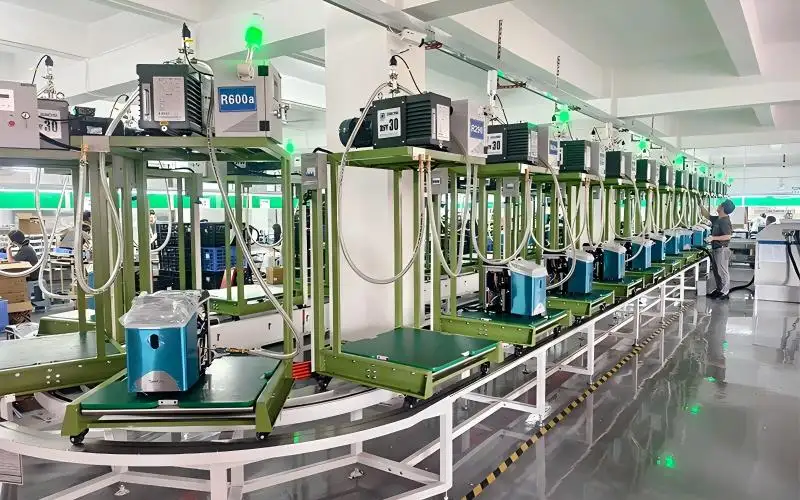
How We Test Every Ice Maker Before Packaging
2026-09-15
BY YUMYTH
A step-by-step look at refrigerant handling, cooling verification, leak detection, corrective action and electrical safety testing For an ice maker, reliable performance is determined long before the carton is sealed. ...
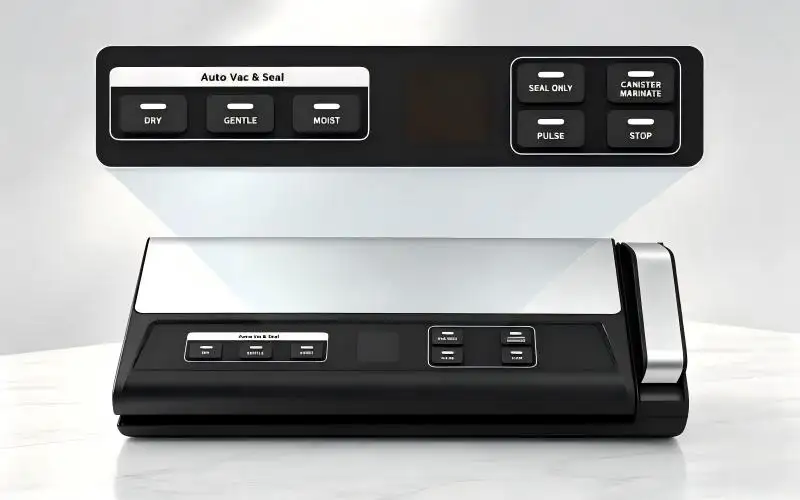
Guide for Brands Looking for a Reliable Vacuum Sealer OEM Supplier
2026-09-14
BY YUMYTH
When you are sourcing kitchen appliances for your retail brand, finding a dependable vacuum sealer OEM supplier is rarely just about getting the lowest unit price. It is about protecting ...

Why Ice Shape Matters: Understanding 10mm × 15mm Cylindrical Nugget Ice
2026-09-14
BY YUMYTH
More Than Ice Production — The Ice Itself Shapes the Consumer Experience When sourcing a nugget ice maker, buyers often focus first on production capacity, water tank size, ice basket ...

Ice Maker Sourcing Guide: How to Find the Right Factory
2026-09-10
BY YUMYTH
Sourcing an ice maker looks straightforward on paper. Find a supplier, agree on a price, place an order. But anyone who has actually done this knows the process is rarely ...